Commercial real estate inspection Long Island protocols demand an elite level of technical diligence and an absolute command of regional infrastructure variations spanning Nassau and Suffolk Counties. Navigating the dense commercial corridors from the edge of Queens out to Montauk requires a deep understanding of varied structural systems, evolving state energy mandates, and specific municipal codes. For institutional investors, private equity firms, and corporate tenants, executing a thorough property condition assessment is not merely a box to check during due diligence. It is a critical risk-mitigation strategy designed to uncover hidden structural liabilities, deferred operational maintenance, and environmental exposures that can drastically alter the net asset value of a commercial asset.
Developing a reliable financial model for a suburban office park in Melville, a sprawling warehouse facility in Hauppauge, or a mixed-use retail strip in Garden City depends entirely on the accuracy of the underlying physical data. Unlike standard residential assessments, a commercial evaluation operates under the strict guidelines of the ASTM E2018 standard, establishing a baseline for a comprehensive physical review. This process systematically scrutinizes the building envelope, core mechanical infrastructures, multi-phase electrical distributions, and complex life-safety systems to generate a reliable immediate repairs cost estimate and a multi-decade capital reserve schedule. Failing to identify a compromised roof deck or a failing chilled water system prior to closing can immediately erase projected returns and expose the new owner to severe regulatory actions.
Understanding the broader regional market dynamics is just as vital as analyzing the physical asset itself. Investors frequently transition between asset classes, evaluating suburban office complexes alongside residential portfolio acquisitions across the region. If your real estate acquisition strategies expand into the residential sector or mixed-use conversions, integrating a specialized home inspection long island evaluation becomes an essential parallel track for managing residential holdings. Recognizing how regional code enforcement, coastal zoning, and municipal environmental guidelines shift across specific townships is a foundational requirement for executing clean transactions and maintaining long-term statutory compliance.
Technical Analysis of Structural Systems and the Building Envelope
The structural integrity of Long Island commercial real estate is highly dependent on the era of construction and the specific geological subsoils of the region, ranging from dense glacial tills to soft, coastal sandy loams. Structural engineers and expert commercial inspectors must carefully analyze load-bearing systems for evidence of structural movement, foundation settlement, and material degradation. In pre-war commercial blocks and historical main street retail structures, load-bearing masonry walls often interact with heavy timber or early steel framing systems. These require close examination for signs of step-cracking, mortar deterioration, and moisture-induced joist-end rot within the pockets of the foundation walls.
Modern commercial assets, including industrial flex spaces and mid-rise office buildings, rely heavily on engineered structural steel columns, open-web steel joists, and cast-in-place or pre-cast concrete planks. Deflection in steel bar joists, compromised weld connections, and missing structural bolts represent critical structural hazards that demand immediate engineering remediation. In warehouses and distribution centers, slab-on-grade concrete floors are subjected to extreme point loads from heavy racking systems and industrial forklifts. Inspectors must track and document slab curling, spalling, and wide-aperture settling cracks, which often point to inadequate subgrade compaction or sub-slab moisture migration.
- Foundation Settlement and Cracking: Heavy concrete foundation walls must be inspected internally using high-definition optical tools to differentiate between cosmetic shrinkage cracks and serious structural displacement. Active hydrostatic pressure, especially in coastal zones like Great Neck or Freeport, can cause severe lateral bowing of foundation walls and continuous water intrusion through the cold joints.
- Structural Steel Framing Corrosion: Steel framing members located near open loading docks or chemical storage areas are highly susceptible to oxidation. The presence of delaminating rust on structural columns reduces the effective cross-sectional area of the steel, significantly lowering its load-bearing capacity.
- Pre-Cast Concrete Plank Deflection: In multi-story commercial properties utilizing pre-cast concrete planks, checking the alignment of the plank joints is essential. Misalignment or structural shear cracking along the grout keys indicates systemic structural movement or overloading of the floor assembly.
- Timber Truss Lateral Bowing: Older commercial structures incorporating wood bowstring trusses require close inspection of the heavy timber joints, split rings, and tie rods. Wood rot or structural splitting in the bottom chord of a truss can trigger a catastrophic roof collapse under heavy winter snow loads.
The commercial building envelope acts as the primary defense against the harsh maritime climate of Long Island, which features high wind loads, driving rain, and intense freeze-thaw cycles. Façade inspection protocols require a close look at the exterior cladding, whether it consists of multi-wythe brick masonry, Exterior Insulation and Finish Systems (EIFS), or structural curtain wall systems. Moisture intrusion through damaged masonry joints or failed window sealants can remain hidden for years, rotting the internal metal studs or wood framing behind the finished walls.
Flat roof assemblies represent the single largest source of deferred maintenance liabilities in commercial real estate. Inspectors must perform comprehensive physical walk-downs of Ethylene Propylene Diene Monomer (EPDM), Thermoplastic Polyolefin (TPO), and built-up bituminous roof membranes. This includes checking the condition of all mechanical penetrations, parapet flashings, and roof drainage configurations. Using advanced thermal imaging cameras allows inspectors to locate subsurface moisture pockets trapped within the roof insulation panels, identifying targeted repair areas before a complete, costly roof replacement becomes necessary.
Commercial HVAC and Thermal Management Infrastructure
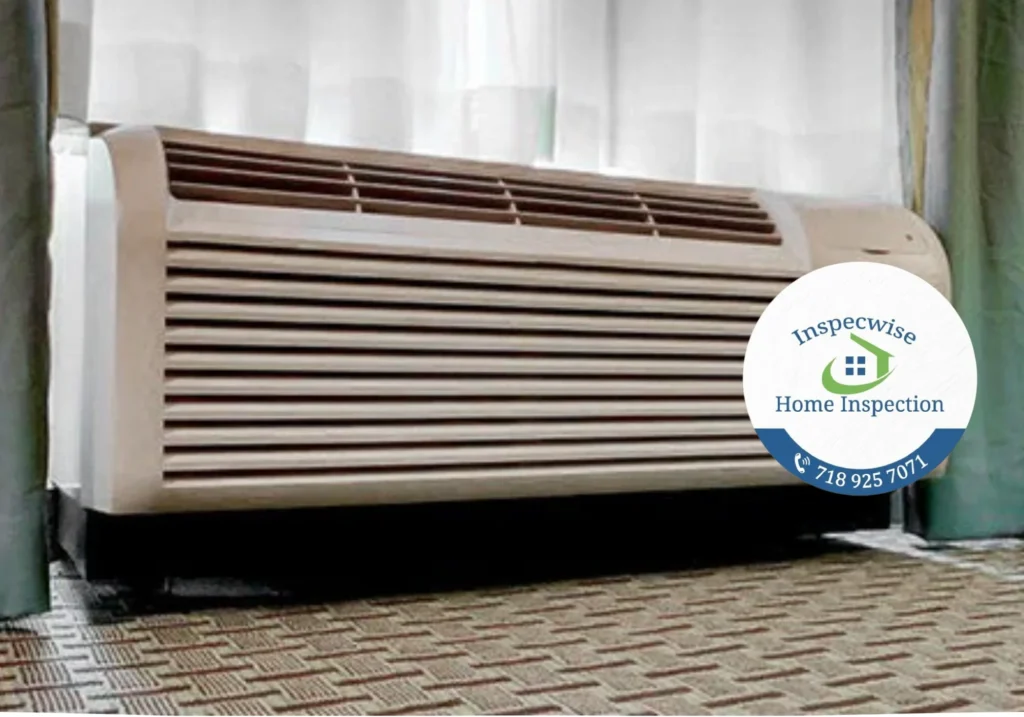
Commercial mechanical systems on Long Island demand rigorous analysis due to their high capital cost and continuous operation during seasonal temperature swings. Large-scale properties rely on sophisticated Variable Air Volume (VAV) systems, centralized chiller plants, or roof-mounted Packaged Terminal Air Conditioners (PTAC) to manage complex interior climates. Inspectors assess the physical condition of the compressor coils, heat exchangers, and condensate delivery lines. They look for signs of advanced corrosion, refrigerant leakage, and fan assembly imbalances that can shorten the operational life of the equipment.
Boiler plants and hydronic heating systems represent a substantial portion of a building’s operational budget and regulatory exposure. Commercial properties frequently utilize heavy iron section boilers fired by natural gas or fuel oil, requiring verified combustion efficiency testing and burner safety controls validation. Inspectors cross-reference current equipment conditions against local safety mandates, checking for pressure-relief valve compliance, low-water cutoff functionality, and breech dampening integrity. Neglecting these high-pressure vessels poses severe safety risks and can result in immediate shutdown orders from municipal safety boards.
- Chiller Plant Compressor Degradation: Centrifugal and screw compressors within large-scale chilled water systems require regular oil analysis and vibration monitoring to detect internal bearing wear. Scoring on the rotor surfaces or high copper counts in the lubricant indicate impending mechanical failure, which carries high replacement costs.
- Cooling Tower Biocide and Basin Maintenance: Open-loop cooling towers must be inspected for scale accumulation, biological fouling, and structural corrosion of the basin walls. Inadequate chemical water treatment accelerates the degradation of the fill media and increases the risk of dangerous bacterial outbreaks like Legionella.
- Variable Frequency Drive (VFD) Fault Codes: Modern air handling units rely on electronic VFDs to modulate fan speeds based on real-time static pressure demands. Inspecting the drive controllers for heat damage, tracking fault histories, and verifying bypass operational capability prevents sudden ventilation failures.
- Heat Exchanger Thermal Stress Cracking: In packaged rooftop units, the constant expansion and contraction of gas-fired heat exchangers can cause structural micro-cracks along the weld seams. These cracks present a serious hazard, potentially venting toxic carbon monoxide directly into the building’s supply air stream.
Air distribution systems and ductwork configurations must be evaluated for cleanliness, insulation integrity, and proper balancing dampers functionality. Poorly maintained duct networks often suffer from high leakage rates, which forces mechanical plants to run longer, drives up utility costs, and compromises indoor air quality. Inspectors also verify the configuration of the outdoor air intakes to ensure they are located away from localized pollutant sources like loading bays or exhaust vents, maintaining compliant ventilation rates throughout the building.
Evolving state mandates like the New York State Energy Conservation Construction Code place stricter requirements on commercial energy performance. Property condition assessments must evaluate the building’s thermal boundaries, insulation ratings, and automated Building Management Systems (BMS) controls. A malfunctioning BMS that fails to execute programmed night setbacks or incorrectly sequences chiller stages can quietly inflate utility expenses by thousands of dollars each month, directly impacting the property’s net operating income.
Electrical Systems, Distribution, and Load Analysis
Commercial electrical infrastructures are complex, multi-tiered configurations designed to safely distribute high-voltage power across extensive square footage. Physical assessments begin at the primary utility service entry, where inspectors analyze the condition of the main service switchgear, transformers, and distribution panels. Properties often utilize three-phase electrical distributions, typically at 277/480 volts for industrial and large office applications, or 120/208 volts for retail strips. Inspectors check for proper system grounding, neutral bonding connections, and the presence of any unapproved circuit modifications that could overload the system.
A key diagnostic tool during a commercial electrical inspection is infrared thermography, which detects localized heat anomalies caused by loose connections, imbalanced phases, or failing circuit breakers. Operating under full building electrical load, an inspector uses calibrated thermal imagers to scan panel interiors and bus ducts. Identifying a hot spot early allows property managers to schedule targeted electrical maintenance, avoiding costly unplanned power outages or catastrophic electrical fires.
- Switchgear Main Bus Bar Oxidation: Aluminum and copper bus bars within high-amperage switchgear can develop high-resistance surface oxidation over time. Left unaddressed, this condition causes localized overheating and increases the risk of destructive arc-flash incidents during switching operations.
- Phase Current Imbalance: Multi-phase distribution systems require evenly balanced loads across all electrical legs. An imbalance exceeding ten percent can induce excessive heat in neutral conductors and cause three-phase electric motors to run hot, significantly shortening their service life.
- Molded Case Circuit Breaker Degradation: Internal mechanical components and bi-metallic strips within commercial circuit breakers can degrade from age and repetitive cycling. This wear can prevent the breaker from tripping during an overcurrent event, leading to severe equipment damage.
- Transformer Dielectric Fluid Breakdown: Pad-mounted and dry-type step-down transformers require visual checks for oil leaks and tracking insulation breakdown. For fluid-filled units, reviewing historical dissolved gas analysis reports is essential to catch winding insulation failures before a total breakdown occurs.
Beyond the primary distribution network, commercial properties require robust emergency backup power systems to protect operations during utility grid failures. Inspectors test the physical condition of emergency diesel generators, automated transfer switches, and dedicated uninterruptible power supply (UPS) batteries. They verify that the generator engine fuel lines, cooling jackets, and starter batteries are well-maintained, and confirm that the transfer switches quickly shift critical life-safety circuits to backup power during simulated outages.
Branch circuit wiring throughout commercial spaces must be reviewed for physical damage, proper support framing, and compliance with the National Electrical Code. In office and retail spaces, unapproved extensions, exposed junction boxes, and improper use of temporary flexible cords create ongoing fire and shock hazards. Ensuring all conduits are securely anchored and verifying the operation of Ground Fault Circuit Interrupter (GFCI) protection in wet areas are vital steps to minimize operational liability.
Plumbing Networks, Fire Suppression, and Life Safety Compliance
Commercial plumbing networks require a comprehensive evaluation because their extensive piping runs and high-volume delivery systems are often hidden inside structural walls and utility shafts. The inspection covers the main domestic water service entry, backflow prevention assemblies, and commercial water heating equipment. Multi-family residential complexes, hotels, and large office buildings rely on centralized domestic hot water loops with continuous circulation pumps. These lines must be checked for scale build-up, functional balancing valves, and secure piping supports to prevent premature copper pinhole leaks or thermal expansion damage.
Evaluating the sanitary waste and storm drainage infrastructure is equally critical, especially in older commercial corridors where clay or cast-iron lines may be nearing the end of their service lives. Over time, these pipes can experience internal scale accumulation, structural cracking, and root intrusion, which often lead to recurring sewage backups. Inspectors frequently use specialized drainage camera equipment to check the interior condition of underground mains out to the municipal connection, identifying structural collapses or low points in the line before they cause a major system backup.
- Backflow Preventer Assembly Certification: Commercial facilities must have functional reduced pressure zone backflow preventers to keep non-potable water from siphoning back into the public water supply. Annual testing documentation must be verified to ensure the property remains compliant with local health department regulations.
- Cast Iron Sanitary Line Tuberculation: Internal corrosion and rust scaling within aging cast iron waste pipes can create rough surfaces that trap solid waste. This process gradually reduces the pipe’s inner diameter, causing chronic drainage blockages that require expensive hydro-jetting or trenchless pipe lining repairs.
- Storm Water Ejector Pump Failure: Commercial basements and subterranean parking structures rely on heavy-duty duplex ejector pumps to handle heavy stormwater runoff. Corroded float switches, seized impellers, or broken check valves can quickly result in widespread flooding and severe damage to mechanical rooms.
- Thermostatic Mixing Valve Malfunction: Centralized commercial water systems use master mixing valves to regulate delivery temperatures and prevent scalding at the tap. If these valves fail, it can lead to dangerous temperature swings, exposing the property owner to significant personal injury liabilities.
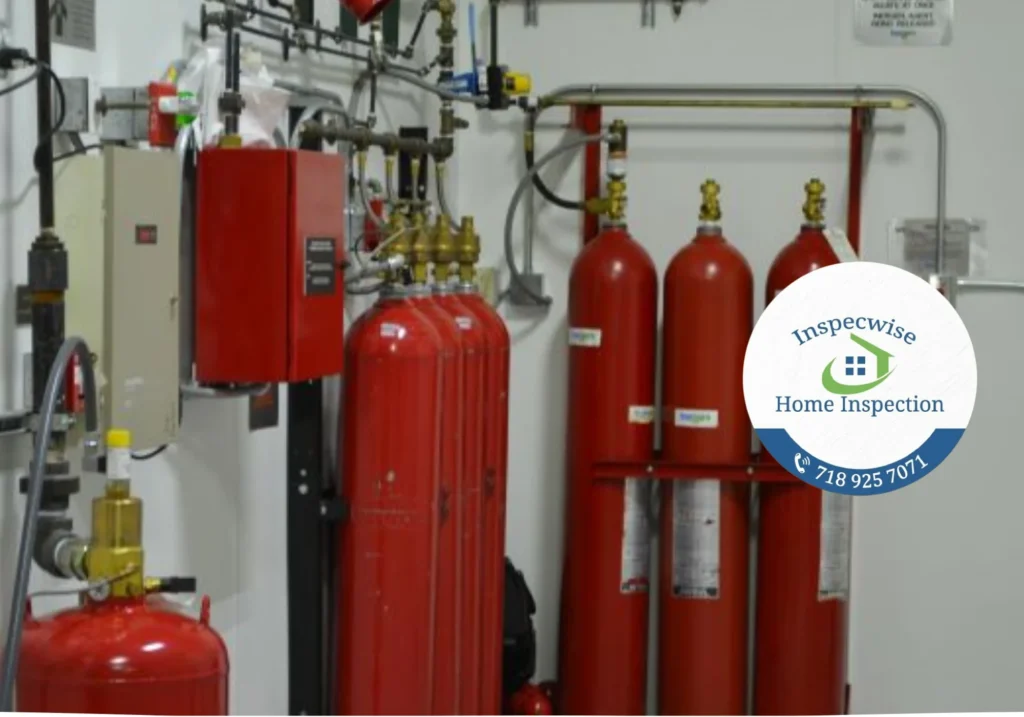
Fire suppression and life-safety systems represent a critical area of operational compliance where zero variance is permitted. Property condition assessments include a thorough review of the wet or dry-pipe fire sprinkler systems, fire department connections, and specialized fire pump stations. Inspectors check the physical condition of the piping networks, verify that sprinkler head clearances meet current standards, and examine inspection tags on all control valves to confirm the systems are tested in accordance with NFPA 25 standards.
Fire alarm control panels, backup battery arrays, emergency exit signage, and dedicated building egress paths must be evaluated systematically. Commercial buildings must maintain open, unobstructed exit pathways equipped with functional panic hardware and emergency lighting units that operate reliably during a power loss. If an asset has been modified over time without proper building permits, it can leave the owner with uncertified fire separations, missing fire dampers in HVAC ducts, and non-compliant travel distances to emergency exits—all of which require expensive retrofits to resolve.
Environmental Hazards, ADA Accessibility, and Site Civil Infrastructure
A thorough commercial property assessment must look closely at the external site infrastructure and potential environmental liabilities surrounding the asset. Under the Comprehensive Environmental Response, Compensation, and Liability Act (CERCLA), a new property owner can be held liable for existing site contamination unless they perform proper environmental due diligence before closing. The physical inspection coordinates with Phase I environmental site assessments, searching for visible indicators of risk such as unmapped underground storage tank vent pipes, surface chemical staining near loading docks, or abandoned industrial floor drains.
As assets age, navigating complex regulatory requirements across different levels of government becomes a central challenge for commercial property owners. For example, residential real estate transactions face their own strict regulatory steps. When buyers navigate financing rules, securing a specialized Home Inspection for FHA Loan NY certificate requires strict adherence to specific health, safety, and structural criteria set by federal guidelines. In the commercial sector, investors face a similarly complex but different set of standards, particularly when ensuring compliance with the Americans with Disabilities Act (ADA) Title III accessibility mandates across public commercial spaces.
- ADA Parking Stall Configuration: Dedicated accessible parking zones must meet precise dimensional minimums, including clear van-accessible access aisles and proper reflective signage. Incorrect slope gradients or degraded asphalt striping can quickly lead to costly regulatory violations and accessibility lawsuits.
- Exterior Egress Ramp Slopes: Concrete accessibility ramps must maintain a precise maximum slope ratio of 1:12, paired with level landings at every major transition point. Soil settling or poor concrete installation can cause these ramps to shift out of compliance, requiring complete demolition and replacement.
- Asphalt Pavement Raveling and Alligator Cracking: High-traffic commercial parking fields and heavy-duty loading lanes suffer from continuous subgrade stress. Deep alligator cracking indicates a structural failure of the stone subbase, which requires deep-patch reclamation rather than a simple cosmetic topcoat.
- Retention Basin Silt Accumulation: Civil stormwater management networks, including open retention ponds and subsurface drywells, need clear water paths to operate correctly. Excessive silt build-up or invasive weed growth reduces the basin’s capacity, increasing the risk of localized flooding during heavy storms.
The site’s civil infrastructure, including concrete curbing, asphalt parking surfaces, retaining walls, and perimeter security fencing, requires a careful physical review. Catch basins and stormwater manholes must be inspected for structural brick decay, clogged grates, and internal pipe blockages. Standing water in a parking lot often points to failed subsurface drywells or improper grading, which can create serious slip-and-fall liabilities during winter freeze cycles.
Retaining walls that manage grade transitions across the property lines must be carefully checked for structural stability. Inspectors look for signs of lateral rotation, forward tilting, or failed weep holes, which can cause water pressure to build up behind the wall. A failing commercial retaining wall can cost hundreds of thousands of dollars to engineer and rebuild, making it a critical item to identify during the initial property condition assessment.
Why Choose Inspecwise
Inspecwise is the premier commercial inspection authority across Long Island, providing institutional investors, real estate syndicates, and private buyers with unmatched technical accuracy and actionable intelligence. Our elite team of commercial inspectors combines deep engineering experience with an exhaustive understanding of New York State building codes, local municipal ordinances, and complex regional infrastructure variations. Every property condition assessment we perform features detailed multi-system diagnostic reviews, advanced thermal imaging scans, and clear, data-driven capital reserve forecasting that helps protect your investment capital. By delivering clear, comprehensive reporting and uncovering hidden structural, mechanical, and regulatory liabilities, Inspecwise ensures you approach the closing table with complete confidence and total clarity.
Serving All of Long Island: Nassau County • Suffolk County • The North Shore • The South Shore • The East End • Riverhead • The Hamptons
Call Inspecwise now: 718-925-7071
Licensed, Certified, and 100% NYC Local