When the inspection report lands in your inbox, it’s tempting to treat every line item as something the seller now has to fix. In reality, a home inspection itself does not create a fixed, universal list of legally mandatory repairs. Whether something must be fixed depends on your purchase contract, any applicable laws or building codes, your mortgage lender’s requirements, your insurance company’s underwriting standards, the property’s condition, and what buyer and seller ultimately agree to. A home inspector documents conditions; the inspector does not have the authority to order a seller to make repairs.
That distinction, between an inspection finding and an actual repair obligation, is the single most misunderstood part of the home buying process, and it’s why so many buyers and sellers get frustrated once negotiations start. This guide breaks down who can make a repair effectively required, what usually stays negotiable, and how New York’s older housing stock adds a few wrinkles worth knowing about.
Are Any Repairs Legally Mandatory After a Home Inspection?
Generally, no single defect on a home inspection report is automatically “mandatory” in a legal sense just because it appears in the report. A home inspection is a visual, non-invasive assessment of a property’s condition at the time of the visit. It’s a source of information, not a legal instrument. Whether a specific repair becomes required depends on which of several separate systems gets triggered: the contract’s contingency language, a lender’s underwriting rules, an insurer’s binding requirements, or a genuine building code or safety violation that a local authority could enforce.

That means the same defect say, a missing handrail might be a simple negotiation point in one transaction and a hard requirement in another, depending on the loan type, the jurisdiction, or whether an appraiser flags it.
What a Home Inspector Can and Cannot Require
A home inspector’s job is to observe, document, and describe the condition of the home’s major systems and components roof, structure, electrical, plumbing, HVAC, and more and to point out safety hazards, defects, and items that may need further evaluation. Our home inspection checklist walks through what’s typically covered in more detail. What an inspector generally does not do is act as an enforcement authority. The inspector isn’t the one who tells a seller “you must replace this by closing.” That authority, when it exists, comes from elsewhere: the contract the buyer and seller signed, a lender’s conditions of approval, an insurance carrier’s underwriting decision, or a building department with code enforcement power. Reputable inspectors also avoid conflicts of interest: they generally don’t perform repairs on homes they’ve inspected, don’t act as code enforcement officials, and don’t offer guarantees about how a system will perform in the future their role stops at documenting the condition observed on the day of the inspection.
It’s also worth remembering that a standard home inspection is a visual assessment, not a guarantee. Inspectors typically can’t see inside walls, under slabs, or behind finished surfaces, and some conditions only become clear with specialized testing (mold air sampling, sewer scope cameras, structural engineering evaluations). When an inspector flags something as “beyond the scope of this inspection” or recommends a specialist, that recommendation is often where the real diagnostic work and any resulting repair obligation actually begins.
Who Determines Whether a Repair Is Required?
Several different parties can each make a repair effectively required, even though none of them is the home inspector. Understanding which one applies to a given defect is the key to prioritizing your response to an inspection report. In practical terms, a seller isn’t required to fix anything simply because it appears in the report sellers are only required to address what one of the parties below makes binding, or what buyer and seller put in writing themselves.
The Purchase Contract
Most New York purchase agreements include an inspection contingency, which gives the buyer a window of time to inspect the property and then request repairs, credits, or a price adjustment or, in some cases, to cancel the contract if issues are significant enough. Whatever the buyer and seller ultimately agree to in writing, whether that’s a signed repair addendum or an amended contract, becomes a contractual obligation. Outside of what’s negotiated and documented, there’s typically no independent requirement for the seller to fix anything simply because it appeared on the inspection report.
The Mortgage Lender
Lenders care about the property because it’s their collateral. During underwriting, a lender may require that certain conditions be resolved before the loan can close for example, safety hazards, active leaks affecting habitability, or issues an appraiser specifically calls out as needing repair. These requirements come from the lender’s underwriting guidelines and the appraisal, not from the inspection report itself, though inspection findings can prompt a closer look during appraisal.
FHA and VA Requirements
Government-backed loan programs generally apply property condition standards that go beyond what a conventional loan might require, because these loans are meant to protect a minimum standard of health and safety and structural soundness for the borrower. An FHA or VA appraiser may flag issues such as peeling paint in homes built before 1978, missing handrails, non-functioning mechanical systems, or safety hazards, and the lender may require these to be corrected before the loan can close. That said, not every FHA or VA transaction triggers the same list of required repairs it depends on the specific appraiser’s findings and the property’s condition, so buyers using these loan types should ask their lender directly what applies to their transaction.
Insurance Requirements
Homeowners insurance underwriting is a separate process from the mortgage itself, and certain property conditions can affect whether a policy is offered, at what premium, or with what exclusions. Older roofs, outdated electrical panels (such as certain fuse boxes or specific older panel brands), aging plumbing materials, or prior water damage claims are examples of conditions insurers commonly scrutinize. In some cases, an insurer may require a repair like a roof replacement as a condition of binding a policy. This is worth checking early, since an insurability problem discovered late in the process can delay or derail a closing.
State and Local Requirements
Applicable building codes, permit requirements, and local ordinances can create genuine legal obligations, but it’s important not to assume every inspection finding is automatically a code violation. Many defects an inspector notes an outdated but functioning fixture, for instance aren’t code violations at all; codes generally apply prospectively to new construction or renovation work, not retroactively to existing conditions, unless a specific hazard or unpermitted alteration is involved. Where a genuine safety hazard or unpermitted work is identified, a local building department may have authority to require correction. Because code enforcement varies by municipality, buyers and sellers should confirm specifics with the relevant local building or code enforcement office rather than assuming.
Repairs That May Need to Be Addressed Before Closing
A defect is generally considered “major” when it affects safety, structural integrity, or the proper function of a major system, as opposed to a cosmetic or routine maintenance item. The table below is a general guide to how these more serious findings tend to be treated not a legal determination for any specific property.
| Problem | Automatically Mandatory? | When It May Need Attention | Typical Reason |
|---|---|---|---|
| Major structural damage (foundation cracks, framing failure) | No, not automatically | Often before closing if it affects safety, habitability, or financing | Lender/appraiser concern, negotiated repair, or safety hazard |
| Active roof leak | No, not automatically | Frequently addressed before closing | Insurance underwriting, lender requirement, or negotiated repair |
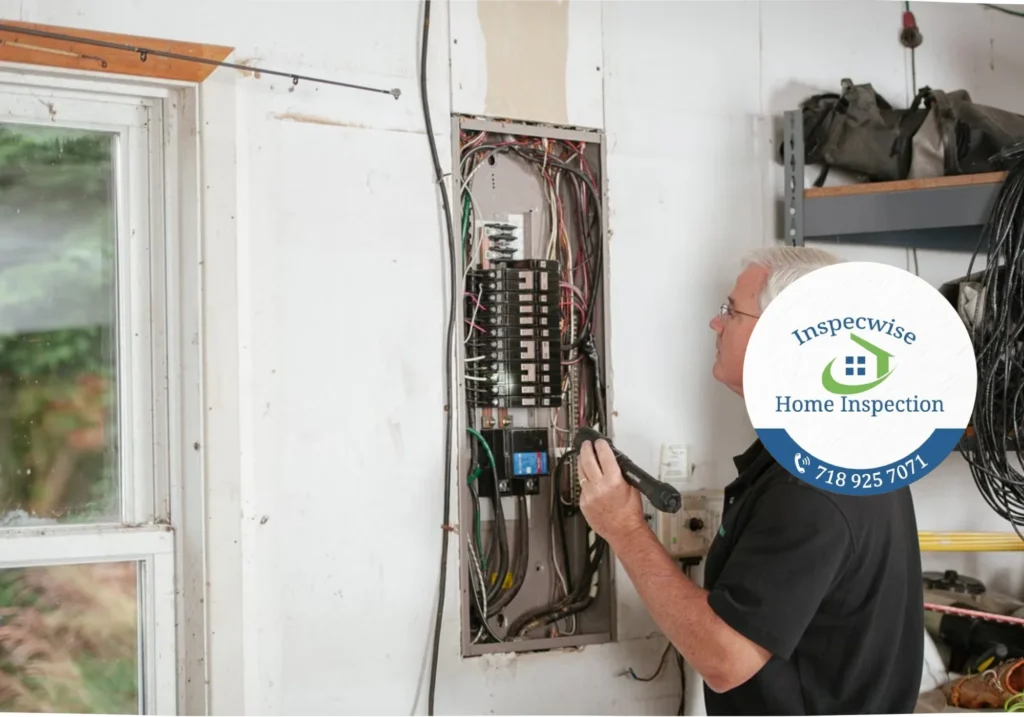
| Significant electrical hazards (exposed wiring, overloaded panel) | No, not automatically | Commonly required by lenders or insurers, or negotiated | Safety hazard and common underwriting trigger |
| Active plumbing leaks | No, not automatically | Often addressed before closing | Habitability concern and common negotiation item |
| Non-functioning heating system | No, not automatically | Frequently required, especially for FHA/VA loans | Livability standard under many loan programs |
| Active termite or wood-destroying insect activity | No, not automatically | Often required for FHA/VA financing; commonly negotiated otherwise | Structural risk and specific loan program standards |
| Serious water intrusion (basement flooding, moisture damage) | No, not automatically | May become a lender, insurance, or contract issue | Structural, mold, and habitability risk |
| Missing handrails or open stairwells | No, not automatically | Often flagged by FHA/VA appraisers | Documented safety standard for some loan types |
| Unpermitted structural alterations | No, not automatically | May require permitting or correction if discovered by code officials | Potential code compliance issue |
Every row above depends heavily on the specific property, loan type, contract language, and jurisdiction — this table is meant to help you ask the right questions, not to replace them.
10 Common Problems Found During Home Inspections
Structural and Foundation Problems
Inspectors look for cracking patterns, uneven floors, doors and windows that stick, and visible movement in foundation walls. Not every crack signals a serious problem hairline settlement cracks are common in homes of many ages but larger or actively growing cracks warrant a structural engineer’s evaluation. These findings are frequently negotiated, but they can also become a lender concern if an appraiser flags them, since structural integrity directly affects the property’s value as collateral.
Roof Damage and Active Leaks
Missing or damaged shingles, worn flashing, and signs of past or active leaks are among the most common inspection findings. A roof nearing the end of its expected service life may not be an immediate safety issue, but it’s a frequent trigger for insurance underwriting requirements, since many carriers won’t bind a policy on a roof past a certain age or condition without further evaluation.
Electrical Hazards
Outdated wiring types, double-tapped breakers, missing GFCI protection in wet areas, and overloaded panels are common electrical findings. Because these carry real fire and shock risk, they tend to move up the priority list quickly and are commonly flagged by both lenders and insurers, in addition to being a frequent buyer request.
Plumbing and Sewer Problems
Leaking supply lines, poor water pressure, older pipe materials, and drainage issues are typical findings. A standard visual inspection generally can’t evaluate the condition of underground sewer lines, which is why a sewer scope is often recommended as a specialist follow-up, particularly for older homes.
HVAC Problems
Age, poor maintenance history, and non-functioning components are common findings for heating and cooling systems. A furnace or boiler that doesn’t function safely is a frequent point of negotiation, and for FHA and VA transactions, a working primary heat source is typically expected as part of the loan’s minimum property standards.
Water Intrusion and Drainage
Grading that slopes toward the foundation, clogged gutters, and evidence of past basement or crawlspace moisture are common findings, especially in older homes. These issues matter because sustained moisture intrusion can lead to structural decay and mold growth over time, even when the immediate finding looks minor.
Mold and Moisture Concerns
Visible mold-like growth or musty odors may prompt an inspector to recommend further evaluation, since identifying and testing for mold species is generally outside the scope of a standard visual inspection. Whether remediation becomes a negotiated item or a lender/insurance concern often depends on the extent of the growth and its underlying cause.
Pest and Termite Problems
Wood-destroying insect activity is a common concern, particularly in older homes and properties with wood-to-soil contact. Many FHA and VA transactions require a separate termite inspection, and evidence of active infestation is one of the more frequently addressed items before closing for these loan types.
Fire and Life-Safety Hazards
Missing smoke or carbon monoxide detectors, blocked egress, and improperly installed fuel-burning appliances fall into this category. Because these findings involve direct safety risk, they’re commonly prioritized by buyers, lenders, and insurers alike, even though the inspector who identifies them has no authority to compel a fix.
Code and Permit Issues
Additions, finished basements, or converted spaces completed without permits sometimes surface during an inspection. These findings don’t automatically mean the work must be undone or brought up to current code, but they can complicate financing, insurance, or a future sale, and are worth discussing with a real estate attorney or the local building department.
Repairs That Usually Aren’t Mandatory
Many inspection report items are simply information, not obligations. Common examples include cosmetic drywall cracks, worn or dated paint, older appliances that still function as intended, ordinary wear on flooring, and minor issues with door hardware or cabinetry. These items are almost always negotiation territory rather than automatic repair requirements, and treating every line item on an inspection report the same way tends to slow down or derail otherwise healthy transactions. Context still matters, though — a cosmetic issue tied to an underlying moisture or structural problem is a different story than a scuff on a baseboard.
What Repairs Can Buyers Negotiate?
Seller Repairs
A buyer can ask the seller to complete specific repairs before closing, typically using licensed contractors, with the work documented and sometimes subject to a follow-up inspection.
Seller Credits
Instead of repairs, buyers often request a credit at closing so they can handle the work themselves after taking ownership. This approach can be attractive to sellers who don’t want to manage contractors on a tight timeline.
Purchase Price Reduction
In some negotiations, buyer and seller agree to reduce the purchase price rather than negotiate specific repairs or credits, effectively baking the cost of future work into the deal.
Repair Escrow When Applicable
For certain loan programs or larger repair items, funds may be held in escrow after closing so agreed-upon work can be completed within a set timeframe. Availability and rules for this option depend on the lender and loan type.
Walking Away From the Deal
If the inspection reveals issues serious enough, and the contract’s contingency terms allow it, a buyer may have the right to cancel the contract rather than negotiate. There’s no fixed definition of a deal breaker, but buyers most often walk away over major structural problems, safety hazards, or repair costs that exceed their budget or financing limits, particularly when a seller is unwilling to negotiate repairs, a credit, or the price. Timing matters as much as severity here, since this decision typically has to happen within the inspection contingency window set out in the contract, which is why reviewing that language with a real estate attorney or agent before signing is worthwhile.
None of the above is legal advice your rights and options depend entirely on your specific contract and jurisdiction, so loop in your real estate attorney or agent when these decisions come up.
Should You Ask the Seller to Fix Everything?
It’s tempting to treat a long inspection report as a long repair list, but that approach often backfires — sellers may balk at a lengthy request, and negotiations can stall over low-priority items. The same logic runs in reverse for sellers: no, you generally aren’t obligated to address every item a buyer’s inspection turns up, and you’re free to negotiate the list rather than accept it wholesale. A more effective approach for both sides is prioritizing findings by what actually matters most. This framework is a practical way to organize your thinking, not a legal or industry standard:
- Safety — hazards that could cause injury (electrical, fire, structural, gas).
- Structural integrity — issues affecting the home’s fundamental soundness.
- Water intrusion — active leaks or moisture problems that can worsen over time.
- Major systems — roof, HVAC, electrical panel, plumbing.
- Financing/insurance concerns — anything likely to affect loan approval or insurability.
- Maintenance — items that are functional but nearing the end of their service life.
- Cosmetic issues — appearance-only items with no functional impact.
Focusing requests on the top few categories tends to produce faster, more productive negotiations than a line-by-line demand list.
Buyers often ask what the single biggest red flag or worst thing an inspector can find is, but there’s no universal answer severity and context decide that, not the category alone. A structural crack that’s actively widening, a live electrical hazard, or ongoing water intrusion into the foundation tend to raise more concern than an isolated item precisely because they sit at the top of the safety, structural, and water-intrusion priorities above.
What Happens After the Seller Makes Repairs?
Get Documentation
Ask for a written summary of exactly what work was completed and when.
Request Invoices or Receipts
Paid invoices from the contractor who performed the work provide a paper trail and some assurance the repair was actually completed as described.
Verify Appropriate Contractors Were Used
Licensed, insured contractors particularly for electrical, plumbing, structural, or roofing work generally provide more reliable results and documentation than unlicensed handyman work, and some lenders or insurers may specifically require licensed-contractor documentation.
Consider a Reinspection
For significant repairs, having your home inspector return to verify the work was done correctly is often worth the cost, especially for structural, roofing, electrical, or HVAC repairs where quality matters as much as completion.
Verify Repairs Before Closing
Whenever possible, confirm completed repairs in person or through your inspector before the closing date, since it’s generally harder to enforce repair agreements after ownership transfers.
New York Considerations for Home Inspection Repairs
New York’s housing stock adds a few things worth keeping in mind, though none of the following should be treated as a complete legal summary always confirm specifics with the appropriate local authority or professional.
Older housing stock. Much of New York’s residential inventory, especially across NYC and older Long Island communities, predates modern electrical, plumbing, and structural standards. This makes findings like outdated panels, older piping materials, and non-original structural modifications more common than in newer housing markets.

Lead paint considerations. Homes built before 1978 may contain lead-based paint, which is a specific concern for FHA and VA financing and for any household with young children. Federal disclosure requirements apply to pre-1978 housing sales, and buyers should ask about lead paint disclosure documentation as part of the transaction.
Oil and gas heating systems. Older homes, particularly in parts of Long Island, may still use oil heat, including buried oil tanks. Buried tanks can raise both environmental and insurance concerns, and a tank sweep or specialist evaluation is often worth considering separately from the general home inspection.
Basement and crawlspace moisture. Given New York’s climate and the prevalence of older foundations, basement and crawlspace moisture is a frequent inspection finding, particularly relevant to insurability and long-term structural health.
Permits and code issues. Both NYC and Long Island municipalities maintain their own permitting processes, and unpermitted work (finished basements, additions, electrical upgrades) turns up regularly in older properties. Whether unpermitted work needs to be addressed, and how, depends entirely on the local building department this varies enough between jurisdictions that a blanket answer isn’t possible.
Multifamily and mixed-use properties. NYC in particular has a large stock of multifamily and mixed-use buildings, which can introduce additional considerations around shared systems, common areas, and building-wide compliance issues that a single-unit inspection may not fully capture.
NYC vs. Long Island differences. Beyond building age and type, financing and insurance underwriting can treat co-ops, condos, and single-family homes differently, and flood zone considerations are more relevant to certain Long Island coastal areas than to most of NYC’s interior. These differences are worth discussing directly with your lender, insurer, and inspector for your specific property.
Frequently Asked Questions
What repairs are mandatory after a home inspection? Generally none are automatically mandatory just because they appear on the report. Repair obligations come from the purchase contract, lender requirements, insurance underwriting, or applicable law not from the inspection itself.
Can a seller refuse to make repairs? In most cases, yes. Unless the contract specifically obligates the seller to complete certain repairs, sellers can decline repair requests, which may lead to further negotiation, a credit, or the buyer exercising contract rights such as cancellation, depending on contingency terms.
Does a home inspector require the seller to make repairs? No. The inspector documents observed conditions but doesn’t have authority to compel repairs. Any resulting requirement comes from the contract, lender, insurer, or applicable law.
Who pays for repairs after a home inspection? This is negotiated between buyer and seller and can be structured as seller-completed repairs, a credit to the buyer, a price reduction, or in some cases a post-closing escrow arrangement.
Can a buyer ask for a credit instead of repairs? Yes, this is a common and often preferred alternative, since it lets the buyer control the timeline and choice of contractor after closing.
What repairs may FHA financing require? FHA appraisers generally look for issues affecting health, safety, and structural soundness, such as safety hazards, non-functioning systems, or certain lead paint conditions in pre-1978 homes. Specifics vary by property and appraiser, so confirm details with your lender.
What repairs may VA financing require? Similar to FHA, VA loans apply minimum property requirements focused on safety, sanitation, and structural soundness. The exact list depends on the appraiser’s findings for that specific property.
Are cosmetic repairs required after an inspection? Generally no. Cosmetic items are typically negotiation points rather than requirements, though buyers can still request them.
Can you negotiate the price after a home inspection? Yes, price reduction is a common alternative to a specific repair list, and many buyers and sellers prefer it because it avoids managing contractor timelines before closing.
Should you get a reinspection after repairs? For significant work structural, roofing, electrical, or HVAC repairs — a reinspection is often a worthwhile way to confirm the work was completed correctly before closing.
Can you walk away if the seller refuses repairs? Depending on your contract’s inspection contingency terms and timeline, you may have the right to cancel. This is contract-specific, so review the language with your agent or attorney.
What are the most serious problems found during a home inspection? Safety hazards, structural issues, active water intrusion, and major system failures (roofing, electrical, plumbing, HVAC) are generally considered the most significant, since they carry the greatest risk to habitability, safety, and property value.
Getting Clarity Starts With a Thorough Inspection
Understanding which repairs are truly required versus recommended, negotiable, or simply cosmetic puts buyers and sellers in a much stronger position at the negotiating table. The clearest starting point is always a thorough, detailed inspection report that gives you an accurate picture of the property’s actual condition.
If you’re preparing to buy or sell in New York, a Home InspectionNYC from Inspecwise can walk you through what your inspection report means in practical terms including which findings are worth prioritizing and when a specialist evaluation makes sense. Reach out to schedule an inspection or to talk through a report you’ve already received.
GET IN TOUCH
Schedule a Visit
Serving All 5 Boroughs and Long Island: Manhattan • Brooklyn • Queens • The Bronx • Staten Island • Nassau County • Suffolk County
Call Inspecwise now: 718-925-7071
Licensed, Certified, and 100% NYC Local