Commercial inspection Suffolk services serve as the foundational pillar of due diligence for corporate buyers, real estate investors, and business owners operating across eastern Long Island. Buying or leasing commercial property around here is not easy you have to deal with everything from coastal weather damaging the buildings to confusing local zoning laws. That is why hiring a local commercial inspector in Suffolk County is so important. They know exactly what to look for and can spot hidden, costly problems before you sign on the dotted line. From corporate offices in Melville to industrial warehouses in Deer Park and retail store spaces out on the twin forks, having a detailed engineering assessment protects your capital and aligns with long term investment goals.
A real estate inspection is way more than just a quick walkthrough it gives you an honest unfiltered look at the actual condition of what you are buying. A certified inspector checks the building’s bones, from the framing to the lifespan of pricey heating and cooling systems. Instead of confusing technical jargon they give you a clear straightforward breakdown of how the building is holding up. This lets you figure out your real operating costs and budget for future fixes. Catching hidden damage or old code violations early means no nasty surprises, turning a risky gamble into a smart, predictable investment.
Catching major structural issues or dying mechanical systems early gives you massive leverage to renegotiate the contract before closing. Armed with an objective, comprehensive property condition assessment, buyers can confidently request direct price reductions or formal seller credits at the closing table. It works for sellers, too. Getting a pre-listing inspection means no surprise deal-breakers, keeping the sale moving smoothly toward a clean transfer. At the end of the day, a solid commercial inspection gives everyone peace of mind, protects your bottom line, and proves you’re making a smart business move.
Understanding the Commercial Inspection Cost Suffolk Factors
Getting a commercial building inspected isn ot a one size fits all situation. The price tag depends entirely on the property itself things like how big it is, what type of building it is and how complex its heating, cooling, and electrical systems are. Because a massive apartment complex takes way more fieldwork than a little retail storefront you will never see a flat-rate price. Still it is best to look at this cost as a crucial financial safety net. Spending that money upfront is exactly what keeps you from getting hit with massive, unexpected repair bills down the road.
In New York, the baseline cost of a commercial building inspection usually boils down to one main thing: its size. The bigger the building, the more work it takes. Larger properties mean the inspector has to spend a lot more time on-site checking the roof, evaluating the foundation, and using thermal imaging cameras to scan massive, complex electrical grids. If the property has extra structures, shared common areas, or huge parking lots, those will drive up the baseline price too.
Here is a clean, simple breakdown of how those pricing tiers usually play out based on the size and type of the property:
- Compact retail storefronts and professional offices under 2,000 square feet typically range from 600 to 900 dollars.
- Average suburban industrial spaces and warehouses between 2,000 and 10,000 square feet generally range from 900 to 1,500 dollars.
- Large multi family apartment buildings between 10,000 and 25,000 square feet average between 1,500 and 3,000 dollars.
- Premium corporate complexes and manufacturing facilities exceeding 25,000 square feet require custom quotes based on structural complexity.
It is not just about square footage. How a building is used and when it was built play a huge role in the final price. Older, historical buildings are a lot more complicated to inspect. Because they were built using outdated construction methods, have aging utility systems, and usually feature decades of layered renovations, they require a much closer, more deliberate look. Spotting these hidden, old-school issues takes specialized expertise, which naturally reflects in the cost.
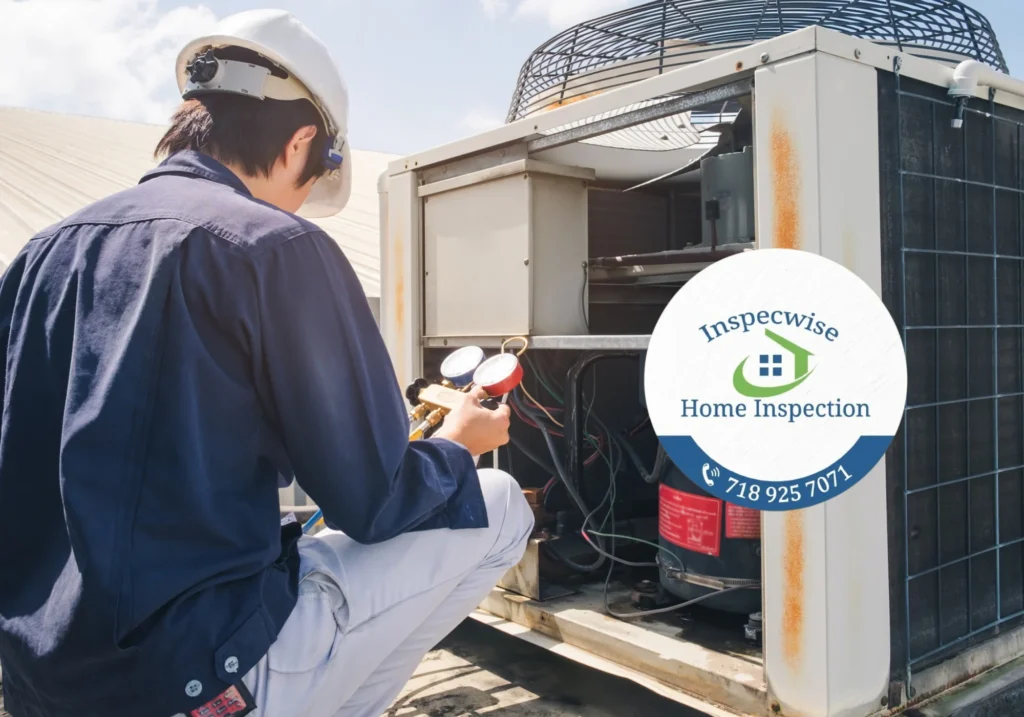
When you hire a top-tier inspection firm in NYC or out in Suffolk County, a big part of what you are paying for is high-tech diagnostics like infrared thermal imaging. These tools let inspectors look right through walls to spot hidden moisture, missing insulation, or overloaded electrical circuits without tearing anything open. Choosing an expert team that uses this kind of tech gives you a completely different level of protection, making cheap, entry-level inspection alternatives a massive financial risk.
The Definitive Commercial Inspection Checklist for Investors
A great commercial building inspection checklist is like a master roadmap for the inspector. Instead of just winging it, a skilled inspector uses this list to check hundreds of details inside and out so nothing slips through the cracks. The main goal is simple: ensure the building’s skeleton, its outer shell, and its heavy-duty utility systems are running safely, efficiently, and completely up to local codes.
Structural Foundation and Framing Stability
- Footing systems and heavy foundation concrete walls are inspected for significant structural settling, shifting, or deep horizontal cracking patterns.
- Inspectors check load-bearing steel beams, columns, and heavy wood framing for any signs of sagging, rust, or rotting.
- They check the slope of the ground and the retaining walls to make sure rainwater drains away from the building instead of pooling around the foundation.
- Exterior masonry, brick veneer panels, and expansion joints are scanned for frost heave damage or significant structural movement.
High Capacity Roofing and Drainage Systems
- Flat roof membranes, including modified bitumen, EPDM, and TPO materials, are tracked for premature weathering, open seams, or blistering.
- Commercial roof drainage setups, including scuppers, internal drains, and overflow paths, are assessed to verify they prevent pooling water.
- Parapet walls, coping stones, and exterior expansion flashing zones are evaluated for water entry prevention and structural stability.
- Rooftop utility penetrations, mechanical equipment curbs, and skylight frames are inspected for cracked perimeter seals or historical leaks.
Interior Layouts, Clearances, and Life Safety Devices
- Interior demising walls, concrete subfloors, and drop ceiling grids are scanned for structural sagging, shifting, or unexplained damage.
- A representative sampling of heavy commercial doors, fire doors, and primary window systems are operated to verify balance and code compliance.
- Stairwell framing, high traffic handrail configurations, and guardrail spacings are tested against modern commercial safety guidelines.
- Emergency exit paths, illuminated exit signage, and backup battery power packs are verified to confirm optimal operational readiness.
Heating, Ventilation, and Air Conditioning Systems
- Rooftop HVAC units, commercial chillers, and boiler setups are operated through normal cycles to verify correct temperature differentials.
- Main air distribution ductwork, dampers, and exhaust ventilation fans are examined for proper air flow balance and material cleanliness.
- System gas supply lines, electronic ignition controls, and exhaust venting setups are checked for safety and structural integrity.
- Energy management controls and localized thermostat configurations are analyzed to ensure efficient property temperature regulation.
What Fails a Commercial Inspection on Long Island
Commercial building inspections don’t give a simple “pass or fail” grade, but certain major problems can easily stall or break a deal. Knowing what to look out for during a pre-purchase commercial inspection helps both buyers and sellers know what to expect when it’s time to negotiate.Usually the biggest deal breakers are hidden safety hazards, broken systems, or structural issues that cost a fortune to fix right away.
Finding structural foundation damage is one of the worst-case scenarios in an inspection. If outdoor rainwater doesn’t drain away properly, it pools up and pushes against the basement walls until they crack, bow inward, or leak. Fixing a broken foundation like this is incredibly expensive requiring teams to dig down and install heavy steel reinforcements or drive massive steel piers deep into the ground just to hold the building up. Because it costs so much, buyers can use this as major leverage to demand a price drop.
Old worn out utilities are another massive headache. For example if an inspector finds ancient wiring or recalled electrical panels that are known fire hazards, insurance companies might flat-out refuse to cover the building. The same goes for plumbing and heating; finding a cracked heat exchanger in a furnace or a rusted-out main sewer line means you have to replace them immediately just to make the building safe to occupy.
Major roofing failures and hidden water leaks frequently ruin real estate deals. Sometimes, multiple layers of shingles are slapped on to hide rotted wood underneath, or bad flashing allows water to leak deep inside the walls. These repair costs add up incredibly fast. Catching these leaks early gives buyers the proof they need to demand a brand-new roof or walk away from the deal entirely.
A massive termite or carpenter ant problem can quickly kill a deal. These pests tunnel silently through the building’s main wooden framing and floor supports, leaving the outside looking perfectly fine while completely eating away the inside.Finding active colonies or old, unfixed damage means you have to bring in specialists immediately to treat the building before parts of it start to sag or collapse.

Advanced Environmental Testing and Specialty Services
A standard inspection covers the basics, but truly doing your homework on a building usually means adding a few specialized tests. Invisible dangers like mold or radioactive radon gas can cause serious, long-term health problems for your tenants or employees. Adding these extra tests to your checklist is the easiest way to protect your people and make sure your investment is actually safe.
A professional home mold inspection strategy can easily be scaled up for commercial buildings and it is highly recommended if you are dealing with the humid, coastal climate out in Suffolk County. Damp basements, old plumbing leaks, and poor ventilation can easily spark hidden mold behind walls and under floors. By using tools like moisture meters and air samplers a professional mold inspection catches high spore levels early so you can make sure your team and tenants are breathing clean healthy air.
Testing for radon is another must-have safety step especially if the property has a basement or lower-level workspaces. Radon is a natural, completely odorless radioactive gas that leaks up through cracks in the bedrock and foundation floor. Because breathing in high levels of radon over a long period is a severe health hazard, setting up digital monitors gives buyers real peace of mind before signing the paperwork.
If you are eyeing a building in an older, established neighborhood, it is incredibly smart to ask for a targeted home foundation inspection methodology or a detailed home electrical inspection strategy that has been adjusted for commercial systems. Older buildings usually come with a mix of natural structural settling and messy outdated wiring upgrades. Supplementing your main walk-through with these advanced diagnostic tests gives you a crystal-clear look at the property, taking all the guesswork out of your buying journey.
Comprehensive environmental testing can be further expanded by utilizing these key targeted assessments:
- Lead based paint testing is critical for facilities constructed prior to 1978 to protect occupants from chemical hazards.
- Well water quality analysis verifies the absence of harmful bacteria, heavy metals, and regional chemical runoff contaminants.
- Asbestos material sampling identifies hazardous fibers in older pipe insulation, textured ceilings, or vinyl floor tiles.
- Termite and wood destroying insect reports provide official documentation often required by regional commercial mortgage underwriters.
Bridging the Gap Between Residential and Commercial Due Diligence
For many business professionals, real estate portfolios are a blend of both corporate facilities and personal residential investments. While securing a profitable commercial space drives business growth, finding a safe, structurally sound family dwelling is equally essential for personal stability. The fundamental principles of visual property evaluation remain highly consistent across both areas, focusing heavily on structural safety and mechanical functionality.
If you are currently evaluating residential options alongside your business ventures, our expert team can support your personal real estate goals. We provide comprehensive Home Inspection Suffolk services designed specifically for single family homes, townhouses, and local residential properties. Aligning all your real estate purchases with our certified team ensures that your family home is protected by the exact same level of technical precision that safeguards your commercial investments.
Deciphering the Final Commercial Property Condition Assessment
The culmination of a professional property evaluation is the delivery of a comprehensive, digitally compiled commercial building inspection checklist report. This document should never be a confusing checklist or a handwritten summary sheet. Modern, high tier reporting platforms provide a clear, narrative complete with high resolution digital photography, drone aerial overviews, and detailed thermal imaging captures.
The primary section of a modern report focuses on critical safety concerns that require immediate correction before occupancy. These issues include active gas line leaks, exposed high voltage electrical wiring, absent staircase guardrails, or malfunctioning secondary fire exits. Highlighting these hazards first ensures that life safety items take precedence during negotiations.
The subsequent sections of the document catalog material defects that currently impair system functionality or are approaching the end of their operational lifespan. This clear documentation allows buyers to accurately estimate short term maintenance costs, such as replacing an aging water heater or addressing localized roof leaks. By organizing these findings logically, clients can confidently plan their financial approach well before closing day.
A thoroughly detailed property report provides long term utility by focusing on these essential operational areas:
- Detailed equipment data sheets record the exact model numbers, serial tracking codes, and manufacturing dates of all major utilities.
- Color coded urgency tags clearly differentiate between immediate life safety hazards, material structural defects, and minor maintenance tasks.
- High resolution digital closeups show precise component locations to help contractors provide accurate repair estimates.
- Customized seasonal maintenance logs help homeowners preserve property value through targeted preventative care.
Navigating the Commercial Property Contingency Clause
The property contingency serves as a vital legal shield within modern real estate contracts across New York State. This specific clause grants buyers a designated window, typically seven to ten calendar days, to conduct a comprehensive due diligence commercial property inspection on an asset. If severe structural compromises or dangerous safety hazards are discovered during this window, the clause provides a clear legal path to restructure or exit the deal.
When an inspector uncovers unexpected issues, buyers can leverage the contingency clause to request formal repair credits or direct financial concessions from the seller. If the seller refuses to fix these critical problems or offer a fair price reduction, the buyer can walk away from the transaction while fully recovering their initial earnest money deposit. This legal protection prevents businesses from getting stuck with a financial nightmare.
Sellers can also benefit from understanding the contingency process by ordering a proactive pre listing inspection. Uncovering property defects before listing a building allows owners to fix issues on their own schedule, avoiding stressful last minute negotiations. Taking a proactive approach streamlines the transaction, ensuring a smoother closing process for both parties.
The formal resolution of a property contingency typically involves choosing one of these standard legal paths:
- Complete acceptance of the property occurs when no material structural or safety defects are uncovered during the field review.
- Formal repair requests require the seller to hire licensed contractors to fix specific defects before title transfer.
- Financial escrow credits provide the buyer with a designated dollar reduction at closing to fund repairs independently after move in.
- Complete contract cancellation allows the buyer to exit the deal with their full deposit if catastrophic structural defects are found.
Timeframes and What Happens After a Commercial Inspection
A frequent question among first time buyers is how long does an evaluation take during a typical on site review. A standard commercial walkthrough generally requires three to six hours of focused on site fieldwork. This timeframe fluctuates depending on the total square footage, the access status of crawl spaces and attics, and the overall complexity of the mechanical utilities.
Buyers are strongly encouraged to attend the final hour of the physical walkthrough to review key findings firsthand. This on site review allows your inspector to point out major utility shutoff valves, explain basic maintenance protocols, and clarify complex technical issues in person. Seeing these systems firsthand makes the final written report much easier to understand and utilize.
Once the physical on site work wraps up, the detailed digital report is compiled and delivered within twenty four hours. From there, buyers work closely with their real estate attorneys to formulate a balanced response strategy based on the findings. Whether you move forward with confidence or negotiate for repair credits, this data driven approach ensures your interests are fully protected.
The post assessment timeline moves quickly through these distinct operational steps:
- Verbal on site summaries occur immediately following the fieldwork to cover the most critical structural and safety observations.
- Complete digital report delivery takes place within twenty four hours to provide a comprehensive look at all property components.
- Detailed attorney consultations help compile a formal list of repair demands or pricing credits before the contingency deadline.
- Contractor estimate collection allows buyers to secure real world repair pricing to guide final contract adjustments.
Long Term Commercial Asset Preservation and Maintenance
Securing a successful property closing is only the beginning of your commercial real estate journey. Ongoing preventative maintenance is essential to preserve the structural integrity and market value of your business asset over time. Regularly reviewing your detailed property condition assessment report serves as an excellent foundation for creating a comprehensive seasonal maintenance schedule.
Addressing exterior water management should always remain a top priority throughout the changing seasons. Cleaning your commercial gutters twice a year prevents water from overflowing and pooling near your foundation walls, which can cause hydrostatic cracking and sub grade moisture. Ensuring that downspouts extend several feet away from your foundation helps protect your structural framing from shifting or settling.
Regularly servicing your core mechanical systems also extends their operational lifespan and ensures optimal energy efficiency. Replacing central heating and cooling filters every three months improves indoor air quality and reduces strain on your system fan motors. Scheduling annual professional tune ups for your furnace and water heater helps catch minor component wear before it leads to a costly system failure.
Developing a consistent schedule for property care helps prevent surprise repairs through these key preventative measures:
- Bi annual roof inspections check for shifting seams, damaged flashing, or pooling water on flat roof membranes after severe seasonal storms.
- Monthly electrical safety tests verify that high capacity circuit breakers and distribution panels are running within normal temperature bounds.
- Seasonal grading reviews confirm that perimeter soil and asphalt areas continue to slope away from foundation walls to prevent sub grade dampness.
- Annual plumbing inspections check commercial restrooms and main waste stacks for early signs of slow leaks or material corrosion.
Why Choose InspecWise for Your Commercial Evaluation
Partnering with InspecWise guarantees that your commercial real estate transition is backed by elite technical precision and unparalleled local market expertise. As a premier commercial building inspector, our field technicians go far beyond basic visual overviews, deploying advanced diagnostic instrumentation to uncover hidden structural anomalies, thermal bridging issues, and deep utility faults. Every single assessment is executed with an uncompromising commitment to thoroughness, converting complex mechanical data into highly readable, actionable information that protects your financial portfolio. By choosing our specialized team, you gain a dedicated advisory partner who prioritizes your long term safety, budget security, and complete transactional peace of mind from initial walkthrough to final title closing.
Serving all Suffolk County Communities: Huntington • Babylon • Islip • Smithtown • Patchogue • Riverhead • Southampton • East Hampton • Southold • Brookhaven
Call Inspecwise now: 718-925-7071
Licensed, Certified, and 100% NYC Local