If you’re buying, selling, or maintaining a home anywhere between Nassau and Suffolk County, a thorough home inspection Long Island buyers can trust is the one step that protects you from costly surprises. Long Island homes come with their own quirks: high water tables on the South Shore, older wiring in Levittown ranches, and salt-air wear near the coast. Inspecwise has spent years inspecting homes across Nassau and Suffolk County, and we know exactly where these issues tend to hide. We work with buyers, sellers, homeowners, and real estate agents, giving each one a clear, honest report they can actually use, delivered in plain language, on a timeline that works with your closing date.
Inspecwise is a licensed New York home inspection company serving Nassau County and Suffolk County. Our inspectors provide detailed digital reports, thermal imaging, and honest recommendations to help buyers and sellers make informed decisions.
Why Choose Inspecwise
Homeowners and buyers across Long Island choose Inspecwise because we combine local knowledge with a straightforward, no-pressure approach. Here’s what sets us apart:
- Licensed and certified inspectors who know Nassau and Suffolk County housing stock inside and out
- Digital reports delivered within 24 hours, complete with photos and clear explanations, not just checkboxes
- Thermal imaging included on every inspection to catch moisture and insulation problems you can’t see with the naked eye
- Straight answers, no sales pitch: we tell you what we find, good or bad, so you can make your own decision
- Flexible scheduling, including weekends, to work around closing deadlines
We’re not trying to scare you into a bigger repair bill. We’re trying to give you the facts so you can negotiate, plan, or walk away with confidence.
Real estate agents across Nassau and Suffolk County refer their clients to us because our reports are easy to read at the closing table, not just easy to file away. Sellers use us for pre-listing inspections to head off surprises before a buyer’s inspector finds them first, and homeowners bring us in for a general checkup when they’re planning renovations or just want peace of mind. If you’re buying an investment property, we’ll walk you through what repairs are cosmetic versus what actually affects the property’s long-term value.
What’s Included in a Home Inspection
A full inspection covers every major system in the home. Here’s what our inspectors check, room by room and system by system.
Structural Inspection
We check the foundation, framing, floor joists, and load-bearing walls for cracking, settling, sagging, or past repairs that weren’t done to code. Older Long Island homes, especially pre-war properties in villages like Northport and Oyster Bay, often have foundation and framing issues that aren’t visible from a casual walkthrough: things like bowing fieldstone foundation walls, floor joists that were cut to fit plumbing without adding support, or additions that were never properly tied into the original structure.
Why it matters: Structural issues are some of the most expensive repairs a homeowner can face, and they rarely announce themselves with anything more than a hairline crack or a slightly uneven floor. Catching them before closing gives you real leverage in negotiations.
Roof Inspection
Your roof takes the brunt of Long Island’s weather: nor’easters, coastal wind, and heavy snow all take a toll. Our roof inspection covers shingle condition, flashing, gutters, and signs of past leaks. We look closely at attic ventilation too, since poor airflow shortens a roof’s life fast and is one of the more common issues we run into on homes built before proper soffit-to-ridge ventilation was standard.
Why it matters: Because Long Island experiences coastal storms, heavy snow, and strong winds, roofing systems often develop loose shingles, flashing failures, and hidden leaks. Catching these issues before closing can save thousands in unexpected repair costs.
Electrical Inspection
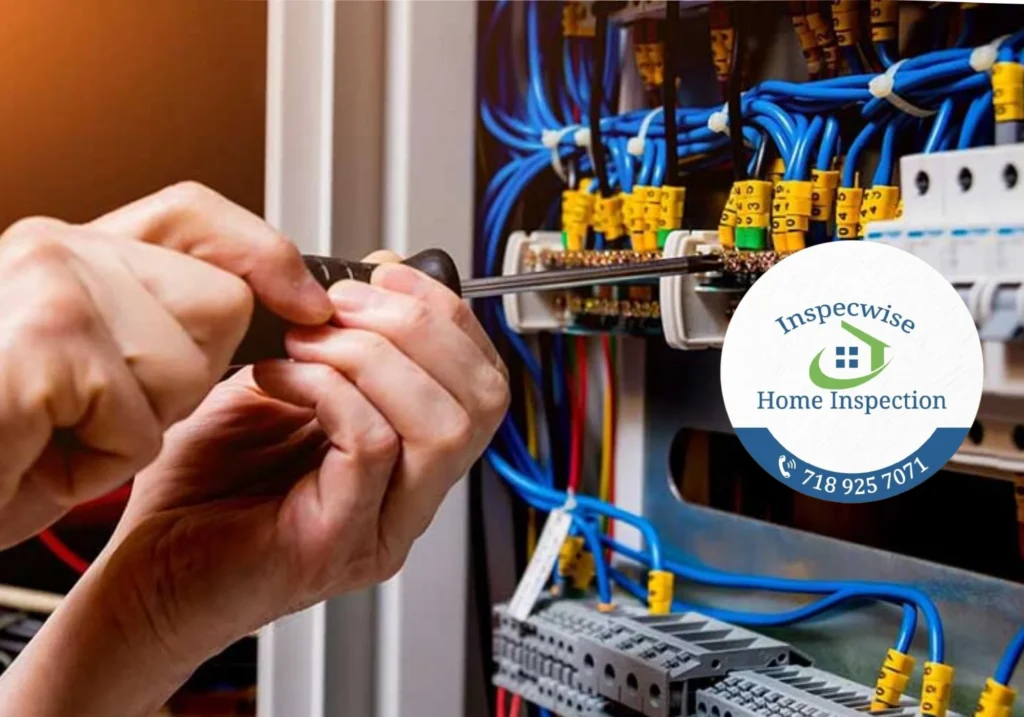
Electrical problems are one of the most common issues we find in older Long Island homes. Our home electrical inspection includes opening the panel to check for outdated equipment like Federal Pacific or Zinsco panels, aluminum wiring from the 1960s and ’70s, and grounding issues, all things that matter to your insurance company as much as your safety.
Why it matters: Outdated panels and aluminum wiring are leading causes of house fires, and many insurers will refuse to write a policy until known hazards like Federal Pacific panels are replaced.
Plumbing Inspection
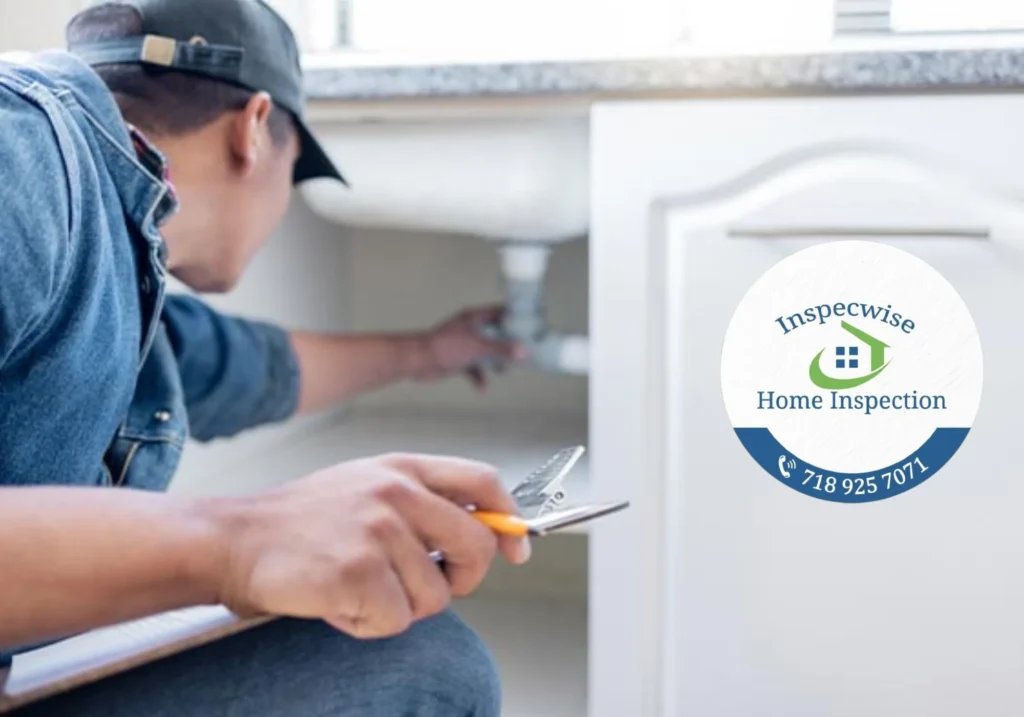
Our home plumbing inspection covers supply lines, drain lines, water pressure, and visible leaks. We flag galvanized or polybutylene pipe, both common in older homes and both prone to failure, along with any sign of past water damage under sinks or around fixtures. We also test water pressure at multiple fixtures and check the water heater’s age, condition, and venting, since an aging unit is one of the more expensive surprises a buyer can run into after closing.
Why it matters: A failing supply line or a water heater near the end of its life can turn into a flooded basement or a multi-thousand-dollar repair with little warning. Knowing the condition of these systems ahead of time avoids that surprise.
HVAC Inspection
We test the furnace, boiler, central air, and any supplemental heating systems to confirm they’re operating safely and efficiently. Many mid-century Long Island homes still run on original radiant heating loops, which we check carefully for corrosion and leaks.
Why it matters: Heating and cooling systems are expensive to replace, and a system that’s quietly failing can mean a cold winter and a five-figure repair bill if it’s not caught in advance.
Attic & Insulation
Poor attic insulation and ventilation drive up energy bills and speed up roof wear. We check insulation depth, ventilation balance, and signs of moisture or pest activity.
Why it matters: Under-insulated attics are one of the biggest drivers of high heating and cooling bills on Long Island, and poor ventilation shortens the life of an otherwise healthy roof.
Foundation & Basement
Basements across Nassau and Suffolk County deal with everything from minor dampness to serious water intrusion, especially in South Shore towns with high water tables. We inspect the foundation walls, sump pump setup, and any finished basement space for code issues, including unpermitted egress problems.
Why it matters: Basement water problems tend to get worse, not better, over time, and an unpermitted finished basement can create resale headaches down the road if it isn’t brought up to code.
Moisture & Mold Risks
Long Island’s humidity and coastal moisture make mold a real concern, particularly in basements and crawlspaces. If we find visible growth or conditions that could lead to it, we’ll flag it and can point you toward a full mold inspection if further testing is needed.
Why it matters: Mold can affect both the home’s structure and the health of the people living in it, and it’s often cheaper to deal with early than after it’s spread.
Radon Testing
Radon is a naturally occurring gas that’s common across parts of Nassau and Suffolk County, particularly the North Shore. We offer radon testing as an add-on to any inspection, using a continuous monitor placed over 48 hours to get an accurate reading.
Why it matters: Radon is the second-leading cause of lung cancer in the United States, and it’s completely undetectable without testing. It’s a simple add-on that gives real peace of mind.
Common Problems Found in Long Island Homes
After years of inspecting homes across the Island, a few issues come up again and again:
| Problem | Common In | Why It Matters |
|---|---|---|
| Outdated electrical panels | Pre-1980 homes | Fire risk, insurance issues |
| Basement water intrusion | South Shore towns | Structural damage, mold |
| Aging radiant heat pipes | Mid-century ranches | Costly to repair, hard to detect |
| Unpermitted basement apartments | Suffolk & Nassau | Code violations, resale issues |
| Roof wear from coastal weather | North & South Shore | Leaks, insulation failure |
| Elevated radon levels | North Shore towns | Health risk, requires mitigation |
Knowing what’s likely to come up in your specific area helps you go into the inspection with realistic expectations. None of these issues are automatic deal-breakers. Most are negotiable repair items or things you’ll want to budget for down the road. What matters is knowing about them before you close, not after.
Our Home Inspection Process
We keep the process simple and transparent from start to finish:
- Schedule your inspection online or by phone, with flexible timing to fit your closing date
- We inspect the property, typically taking two to four hours depending on size and age
- You’re welcome to attend, and we encourage it: walking through the findings in person helps a lot of buyers
- Receive your digital report within 24 hours, with photos, clear explanations, and priority flags for anything urgent
- Call us with questions: we’re available after the report to talk through anything that needs clarifying
There’s no obligation and no upselling once the report is in your hands. If something needs a follow-up specialist, like an electrician or a structural engineer, we’ll tell you plainly instead of trying to handle everything ourselves.
Areas We Serve
We proudly serve:
- Nassau County
- Suffolk County
- Garden City
- Levittown
- Huntington
- Babylon
- Smithtown
- Islip
- Northport
- Massapequa
along with the surrounding North Shore and South Shore communities. If you’re purchasing property closer to the city, explore our Home Inspection NYC services for buyers across the five boroughs, or our broader New York Home Inspection coverage for properties elsewhere in the state.
Why Local Experience Matters
A home inspector who only knows general construction basics can miss the details that actually matter on Long Island. Knowing that a certain block of Levittown ranches was built on slab with embedded radiant heat, or that a particular Huntington neighborhood sits over high water table soil, changes what an inspector looks for and how carefully they look. Our inspectors have walked through hundreds of homes across these towns, and that local pattern recognition is what catches problems a generic inspection would miss.
If you’re expanding into commercial property, we also handle Commercial Inspection Long Island projects, from retail storefronts to small office buildings, along with Commercial Inspection NYC for properties closer to the city.
That local knowledge also means we know the difference between a normal quirk of an older home and a genuine red flag. A hairline crack in a fieldstone foundation in Northport might be nothing to worry about, while the same crack pattern in a newer slab home in Massapequa could point to a settlement issue worth investigating further. Experience is what lets us tell the two apart.
Why Homebuyers Trust Inspecwise
- Licensed New York home inspectors
- Same-day scheduling available
- Reports delivered within 24 hours
- Thermal imaging included on every inspection
- Clear digital reports with photos
- Serving Long Island and NYC
- Honest, unbiased recommendations
FAQs
How long does a home inspection take? Most single-family home inspections take between two and four hours, depending on the size, age, and condition of the property.
What does a home inspection include? A full inspection covers the structure, roof, electrical, plumbing, HVAC, attic, insulation, foundation, and basement, along with a visual check for moisture and mold risk.
How much does a home inspection cost on Long Island? Pricing depends on the size and age of the home, along with any add-ons like radon testing or a sewer scope. A small condo will run less than a large older colonial, and add-on services are priced separately so you only pay for what you need. Call us directly for an accurate quote based on your property.
Should I attend the inspection? Yes, if your schedule allows it. Walking through the home with your inspector gives you a much better feel for what’s minor and what needs attention, and it’s a good chance to ask questions on the spot.
Can a home fail an inspection? There’s no pass or fail. An inspection is a snapshot of the home’s condition at the time of the visit, giving you the information to negotiate, plan repairs, or move forward with confidence.
Do older Long Island homes need specialized inspections? Older homes, especially pre-war properties and mid-century ranches, often have unique issues like outdated wiring, original heating systems, or foundation wear that a general inspection needs to specifically account for. Our inspectors are familiar with these older housing types and know what to check that a generic checklist might skip.
What if the inspection finds a major issue? It doesn’t mean the deal is off. Most buyers use the report to negotiate a price adjustment, ask the seller for repairs, or simply go in with a clear plan for what needs attention after closing. We’re happy to talk through your options once you’ve had a chance to read the report.
Do you test for radon? Yes. Radon testing is available as an add-on with any inspection, using a 48-hour continuous monitor for accurate results.
Do you check the sewer line? A standard inspection covers visible plumbing, but older homes with mature trees can benefit from a Sewer Scope Inspection, which helps identify root intrusion, cracked sewer lines, and hidden blockages before closing.
Do I need a home inspection for a newly built house? Yes. New construction can still have installation errors, code oversights, or workmanship issues that the builder missed. An inspection gives you an independent set of eyes before the warranty period starts.
Can I use the inspection report to negotiate repairs? Absolutely. Many buyers use specific findings from the report to request a price reduction, ask the seller to complete repairs before closing, or negotiate a credit at the closing table.
What’s thermal imaging used for? Thermal imaging helps us spot moisture intrusion, insulation gaps, and even certain electrical issues that aren’t visible during a standard visual inspection. We include thermal imaging inspection on every visit at no extra charge.
When will I get my report? You’ll receive a full digital report, with photos and clear notes, within 24 hours of the inspection.
Related Inspection Services
Depending on your property and situation, you may also want to look into:
- Home Inspection NYC – Residential inspections throughout New York City’s five boroughs
- New York Home Inspection – Statewide inspection coverage for buyers outside of Long Island and NYC
- Commercial Inspection Long Island – Retail, office, and mixed-use property inspections across Nassau and Suffolk County
- Commercial Inspection NYC – Commercial property inspections for buyers and investors closer to the city
- Home Electrical Inspection – Detailed evaluation of electrical panels, wiring, grounding, and safety hazards
- Home Plumbing Inspection – Inspection of supply lines, drains, fixtures, and water heaters
- Sewer Scope Inspection – Camera inspection of underground sewer lines before purchase
- Radon Testing – Professional 48-hour radon monitoring for healthier indoor air
- Mold Inspection – Testing and assessment for visible or suspected mold growth
- Roof Inspection – Identify roof damage, leaks, flashing issues, and ventilation problems
- Thermal Imaging Inspection – Detect hidden moisture, insulation gaps, and overheating electrical components
Schedule Your Long Island Home Inspection
Whether you’re buying your first home, preparing to sell, or simply want peace of mind, Inspecwise delivers thorough home inspections backed by local experience and clear reporting. Contact us today to schedule your inspection and receive a detailed report within 24 hours.
GET IN TOUCH
Schedule a Visit
Serving All 5 Boroughs and Long Island: Manhattan • Brooklyn • Queens • The Bronx • Staten Island • Nassau County • Suffolk County
Call Inspecwise now: 718-925-7071
Licensed, Certified, and 100% NYC Local