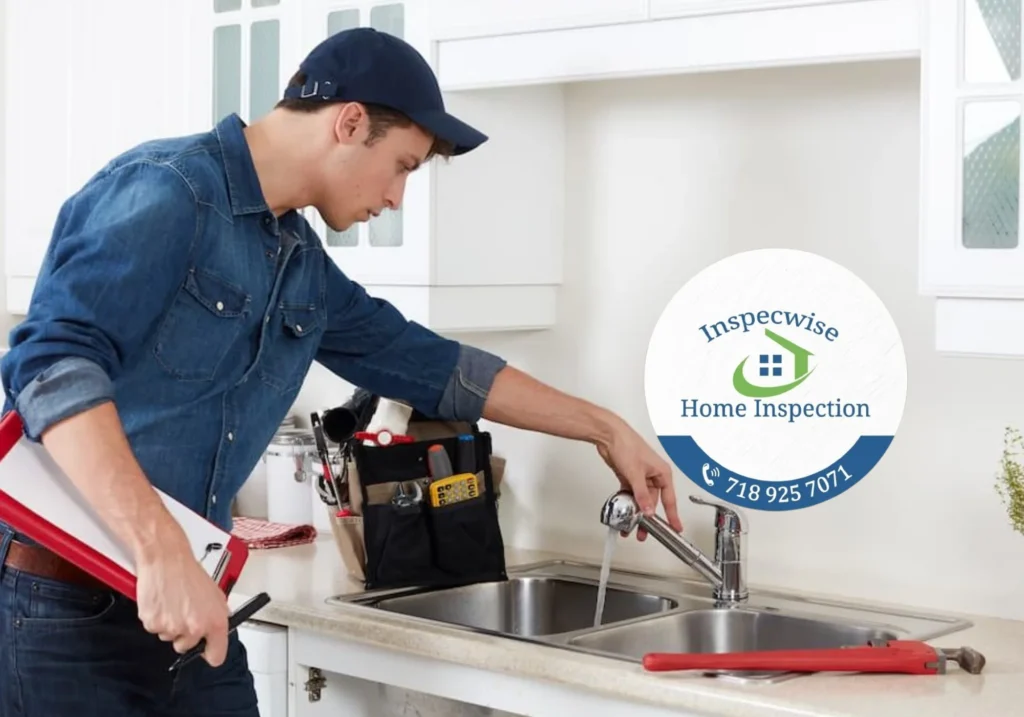
Home Plumbing Inspection processes within the ultra-competitive New York City real estate ecosystem constitute a highly technical discipline that requires far more than a superficial glance at visible fixtures. The subterranean infrastructure across the five boroughs is subjected to relentless hydrostatic stress and dynamic loads that are entirely unique to dense urban environments. Evaluating these intricate networks requires a sophisticated diagnostic framework capable of tracing the mechanical path of water from the municipal tap, through complex internal zoning matrices, and ultimately down into the public sewer infrastructure. For a prospective property buyer or long-term investor, bypassing a rigorous, technically advanced assessment of these systems is a recipe for catastrophic financial liabilities and sudden operational failures.
Navigating the diverse architectural landscape of New York City means an inspector must possess an intimate familiarity with the distinct construction eras that define local neighborhoods. A classic late-nineteenth-century brownstone along a historic street in Brooklyn presents an entirely different set of plumbing anomalies, obsolete materials, and structural settling patterns than a post-war cooperative apartment building in Queens or a contemporary luxury high-rise tower in Manhattan. While uncovering hidden physical defects behind finished walls or beneath thick concrete slabs, an expert inspector must look at the property holistically to catch secondary environmental damage. For this reason, a comprehensive property evaluation should seamlessly integrate a specialized home mold inspection to identify any slow, silent moisture leaks that could be feeding toxic fungal growth within inaccessible wall cavities.
The Mechanics of Municipal Water Service Lines and Pressure Regulation
The point of connection where a residential property interfaces with the municipal water main is governed by a strict set of regulations enforced by the New York City Department of Environmental Protection (DEP). Unlike many other metropolitan jurisdictions, property owners across the five boroughs are legally and financially responsible for the entire length of the water service line extending from their internal meter out to the actual tap on the city main. This means that any underground rupture, structural collapse, or pinhole leak occurring beneath the public sidewalk or out in the middle of a busy city street falls entirely on the homeowner, frequently resulting in emergency excavation and street-opening costs that can easily scale past tens of thousands of dollars.
During a professional home plumbing inspection, an elite inspector will precisely locate the primary water shut-off valve, verify its physical operation, and determine the exact material composition of the incoming service pipe. Many older properties throughout New York City still rely on legacy lead water lines or brittle, heavily corroded galvanized iron pipes that were standard installations well into the twentieth century. Finding these outdated materials is absolutely vital, as lead lines present serious health risks and often trigger mandatory replacement clauses during property renovations or ownership transfers.
Furthermore, a comprehensive evaluation of the incoming water supply must include precise digital testing of the static and dynamic water pressure. New York City’s municipal water pressure naturally fluctuates based on geographic elevation, localized demand, and proximity to neighborhood pumping stations, typically ranging from 45 to 65 pounds per square inch (PSI) at street level. If the incoming pressure exceeds 80 PSI, it can rapidly accelerate the breakdown of internal pipe joints, warp delicate appliance valves, and cause destructive water hammer conditions throughout the building. Conversely, inadequate water pressure in multi-story residential structures will severely compromise upper-floor fixture functionality, a common issue that often requires the installation of a dedicated booster pump system or a specialized pressure-reducing valve (PRV) to maintain a safe, steady equilibrium.
Advanced Diagnostic Evaluation of Drain, Waste, and Vent Networks
The sanitary drainage system, legally categorized as the Drain, Waste, and Vent (DWV) network, serves as the primary structural defense against wastewater contamination and hazardous sewer gases. In a standard New York City residence, this infrastructure is subjected to heavy daily loads and must be evaluated using sophisticated diagnostic methods rather than simple visual checks.
- Cast Iron Structural Degradation: Heavy cast iron was the industry standard for waste stacks in pre-1960s NYC construction, and it is highly susceptible to internal scale buildup and a process called tuberculation, where the pipe’s interior diameter slowly chokes itself off over decades of use.
- Galvanized Steel Pipe Corrosion: Often found in horizontal branch lines from the mid-twentieth century, these pipes suffer from zinc depletion, causing aggressive internal rust that chokes off water flow and leads to frequent, unresolvable blockages deep within the building’s framing.
- Copper DWV Thinning: While copper is an excellent material for water supply lines, its use in drainage systems can lead to localized acid pitting and systemic thinning of structural elbow walls due to continuous exposure to harsh household chemicals.
- Schedule 40 PVC Compliance Issues: Modern plastic piping offers exceptional longevity, but its installation within dense NYC multi-family structures is strictly restricted by local fire codes, which require specialized fire-stopping collars and specific material certifications that unpermitted handymen frequently ignore.
A critical component of evaluating the DWV system involves assessing the structural integrity of the main vertical waste stack and its accompanying vent lines. As the effective space inside the pipe shrinks, the system experiences frequent backups, sluggish drainage, and chronic air pressure imbalances. Experienced inspectors use specialized sewer micro-cameras to navigate these dark vertical pathways, mapping out hidden interior structural defects without causing any disruption to the property.
While evaluating these critical drainage networks, our technical teams frequently encounter interconnected building components that demand equal diagnostic attention. For example, chronic unexplainable blockages or localized structural shifting near waste lines often point to deeper architectural anomalies. In these scenarios, scheduling a comprehensive home foundation inspection is highly recommended to confirm that settling foundation walls or shifting slabs are not putting destructive mechanical stress on your underground drainage lines.
The house trap and its accompanying fresh air inlet represent another uniquely strict requirement of the New York City Plumbing Code. Located at the absolute lowest point of the building’s primary drainage line, this U-shaped configuration maintains a constant liquid seal that blocks toxic gases from the public sewer system from backing up into the basement. An elite inspection requires opening the trap’s dual brass cleanout plugs to check for structural debris, clearing away brittle mineral deposits, and confirming that the fresh air inlet pipe extends directly to the exterior of the building with a clean, unblocked vent cap.
Navigating Borough-Specific Realities and Code Compliance
Every single borough across New York City presents its own distinct set of subterranean plumbing challenges, largely shaped by localized soil composition, historical development patterns, and regional environmental factors. A top-tier residential inspector cannot use a generic, one-size-fits-all approach when moving from the dense urban limestone of Manhattan to the sprawling, tree-lined residential corridors of Queens or Staten Island.
- Manhattan High-Rise Complexities: Properties in this dense environment deal with intense hydrostatic pressure, highly complex vertical multi-zone distribution loops, and complex backflow prevention systems like Reduced Pressure Zone (RPZ) valves that require mandatory annual testing.
- Brooklyn Historic Brownstones: These landmarked structures frequently feature fragile, shared party-wall waste lines, outdated lead water services, and sagging horizontal branch lines that have slowly settled over a century of continuous building movement.
- Queens and Staten Island Invasions: Residential neighborhoods across these outer boroughs are highly susceptible to aggressive tree root intrusion within the clay or transite sewer laterals, which can rapidly break apart underground pipes and cause sudden, catastrophic basement backups.
- The Bronx Multi-Family Dynamics: Multi-unit buildings across the Bronx often struggle with improper, unpermitted historical plumbing renovations, illegal fixture additions, and severely unbalanced hot water circulation systems.
Beyond the physical hardware, staying compliant with the New York City Department of Buildings (DOB) is absolutely critical for avoiding costly structural violations and severe municipal fines. Unpermitted plumbing work performed by unlicensed handymen is an epidemic across the five boroughs, often discovered only during a rigorous pre-purchase property inspection. From illegally added basement bathrooms to unvented laundry suites, every single non-compliant installation carries major financial and safety risks. A premium inspection validates that all major plumbing modifications have been executed under a valid Limited Alteration Application (LAA) or full DOB plumbing permit, ensuring the entire system is fully compliant with modern safety codes.
At the same time, verifying the total safety of the property’s utility lines requires looking closely at all interconnected mechanical systems. While reviewing your water and waste management lines, a thorough inspector will emphasize checking the home’s electrical grounding, as older plumbing networks were frequently used as primary electrical grounds. Scheduling a specialized home electrical inspection alongside your plumbing review ensures that your piping is not accidentally carrying live, hazardous stray currents due to faulty household wiring or missing modern grounding rods.
Boiler Operations, Thermal Dynamics, and Water Heating Systems
The mechanisms responsible for heating a home’s water supply require an intensive, multi-point technical evaluation, as these systems operate under high thermal and physical pressure. Whether a property utilizes a massive, low-pressure steam boiler system in a classic pre-war building or a modern, high-efficiency tankless water heater in a renovated loft, checking these systems requires strict attention to detail and precise diagnostic measurements.
- Temperature and Pressure Relief Valve (T&P): This vital safety component must be carefully checked to guarantee it automatically opens if internal temperatures reach 210 degrees Fahrenheit or if internal pressure hits 150 PSI, preventing catastrophic tank explosions.
- Sacrificial Anode Rod Depletion: The inspector must evaluate the degradation state of the magnesium or aluminum anode rod, which is designed to corrode ahead of the steel tank lining to prevent internal tank failure.
- Low-Water Cut-Off (LWCO) Functionality: For properties running on steam heat, this safety device must shut down the burner instantly if the boiler’s internal water level drops dangerously low, a mechanism that requires regular physical flushing to clear out heavy rust sludge.
- Hartford Loop Configuration: This specific plumbing arrangement is a mandatory safety requirement for steam boilers across NYC, engineered to hydraulically prevent a total loss of water from the boiler vessel if a leak develops in the condensate return lines.
For conventional gas-fired storage tank water heaters, an inspector must meticulously verify the operation of the temperature and pressure relief valve (T&P valve). This vital safety feature is designed to open automatically if internal tank temperatures hit 210°F or if internal pressures exceed 150 PSI. The discharge piping attached to this valve must extend downward to within six inches of the floor, terminate unthreaded, and remain completely unrestrictive to prevent a dangerous explosion in the event of a system failure. The inspector will also check the tank’s sacrificial anode rod, evaluate the burner assembly for dangerous back-drafting, and check for signs of internal sediment buildup that can cause the tank’s lower metal boundaries to overheat and crack.
In properties powered by complex steam heating systems, the focus shifts to checking the low-water cut-off (LWCO) device, an essential safety component that shuts down the burner if the boiler’s internal water level drops dangerously low. The inspector will manually flush this valve to ensure the internal float mechanism moves freely and is clear of heavy rust sludge. Additionally, they will check the steam vents, evaluate the automatic water feeder, and inspect the structural integrity of the main condensate return lines, which are highly vulnerable to aggressive oxygen corrosion and pinhole leaking.
Cross-Connection Control, Environmental Safety, and Water Quality
Protecting the purity of a home’s potable water supply is a fundamental requirement of modern public health and building regulations. Cross-connections occur whenever a physical link is created between clean, drinkable water lines and any source of contaminated liquid, creating a severe risk of backflow or siphoning. This dangerous phenomenon is typically driven by two distinct hydraulic events: backsiphonage, which happens when a sudden drop in municipal water main pressure pulls contaminated water backward into the home’s supply, and backpressure, which occurs when downstream pressure surpasses the supply pressure.
- Atmospheric Vacuum Breakers (AVB): These mechanical devices must be present on all outdoor hose bibbs, laundry tubs, and commercial-grade utility sinks to instantly break any vacuum that could pull toxic external chemicals into the household water supply.
- Physical Air Gap Verification: The single most effective defense against backflow is a verified physical air gap, which requires the physical distance between the lower edge of a water faucet and the flood-level rim of the receiving fixture to be at least twice the diameter of the supply pipe.
- Double Check Valve Assemblies (DCVA): Frequently mandated for residential fire sprinkler lines throughout New York City, these inline mechanical valve setups must be tested to ensure they completely prevent stagnant, chemically treated fire protection water from mixing with clean drinking water.
- Reduced Pressure Zone (RPZ) Devices: Reserved for high-risk residential connections such as dedicated water features, large-scale boiler feeds, or mixed-use properties, these advanced devices dump water out of a relief port if an internal mechanical seal fails.
To prevent these hazards, modern plumbing installations require specific mechanical backflow preventers at every high-risk cross-connection point. Handheld showerheads, outdoor hose bibbs, and pull-out sink faucets must be equipped with functional vacuum breakers to stop dirty water from being pulled back into the clean water lines. In complex properties featuring integrated hydronic heating systems, dedicated lawn irrigation networks, or dedicated fire sprinkler loops, the plumbing code mandates installing heavy-duty backflow preventers that must be inspected annually by a certified professional.
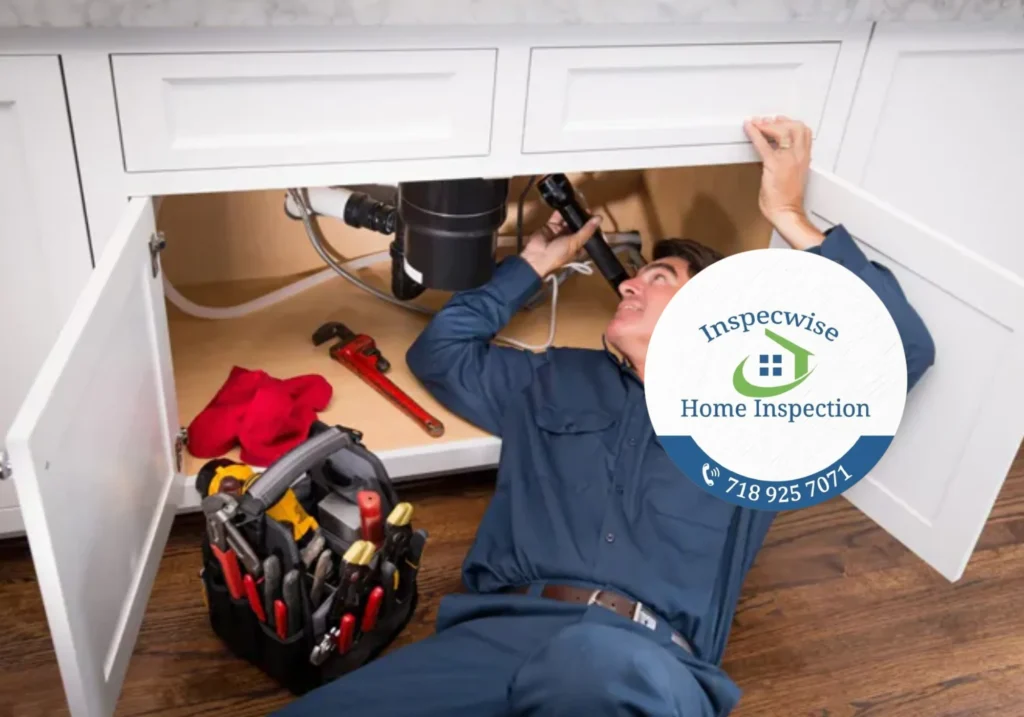
During a residential property evaluation, our team inspects all submerged water inlets, ensures air gaps are properly maintained on all major appliances, and tests all vacuum breakers to guarantee complete protection against backflow. Any signs of cross-connection are flagged as immediate health hazards requiring swift corrective action. Furthermore, ensuring a home is truly safe requires looking beyond water purity to check for invisible, airborne environmental hazards. Property owners looking for total peace of mind should also consider investing in specialized radon testing home inspection NYC protocols to confirm that dangerous sub-slab gases are not seeping into the living spaces through floor cracks or around basement sump pumps.
Why Choose Inspecwise
When navigating the complex world of New York City real estate, Inspecwise stands as the premier inspection authority, delivering unparalleled technical accuracy, deep local expertise, and elite reporting. Our elite team of highly specialized inspectors possesses an intimate, battle-tested understanding of the city’s complex plumbing infrastructure, from landmarked brownstones to cutting-edge high-rises. Every single assessment we perform utilizes advanced diagnostic technologies, including high-resolution sewer cameras, digital pressure meters, and thermal imaging systems, allowing us to find hidden defects long before they turn into costly emergencies. With Inspecwise, you receive a comprehensive, highly detailed digital report that gives you the clear insights and absolute confidence needed to protect your investments and master the real estate market.
Serving All 5 Boroughs and Long Island: Manhattan • Brooklyn • Queens • The Bronx • Staten Island • Nassau County • Suffolk County
Call Inspecwise now: 718-925-7071
Licensed, Certified, and 100% NYC Local