Do new construction homes need inspection safeguards when purchasing real estate in a market as complex, fast-paced, and highly regulated as New York City? The common misconception among many buyers investing in pristine, never-lived-in properties across Manhattan, Brooklyn, or Queens is that a brand-new building is fundamentally flawless. Because the property features glittering stainless steel appliances, contemporary custom millwork, pristine stone countertops, and the promise of compliance with the rigorous New York City Building Code, buyers frequently assume an independent assessment is an unnecessary expense. However, the reality on the ground in the five boroughs is starkly different, as the breakneck speed of modern municipal development frequently introduces significant structural oversights, mechanical shortfalls, and systemic integration errors that go completely unnoticed during standard municipal sign-offs.
When exploring the financial stakes of purchasing a premium property in this competitive landscape, buyers often find themselves wondering should i get a home inspection in ny before signing the final closing documents. The definitive answer from veteran structural engineers and premium property experts is a resounding yes, especially when dealing with newly minted luxury high-rises, re-developed multi-family brownstones, or ground-up townhome developments. A newly constructed building is an incredibly complex puzzle composed of thousands of individual components, sub-assemblies, and specialized trades working simultaneously under razor-thin margin deadlines. Without a private, meticulous independent review, buyers are effectively acting as the initial testers for multi-million-dollar structural and mechanical systems, exposing themselves to massive financial liabilities the moment the developer handshakes them the keys.
The Myth of the Flawless New Build
The visual allure of a freshly finished New York City residence is intentionally designed by developers to project an aura of absolute perfection and luxury. Polished oak herringbone floors, seamless skim-coated drywall, and high-end architectural glazing can easily mask profound operational defects hidden directly behind the walls. In the local real estate arena, developers operate under intense financial pressures, managing skyrocketing material costs, high-interest construction financing, and chronic shortages of elite sub-contracting labor. To maintain profitability and meet strict delivery timelines, general contractors often rely on rapid, tiered sub-contracting networks where critical oversight can easily break down, leading to cutting corners on foundational elements that are rapidly covered up by finished cosmetics.
A common point of confusion for premium buyers is the role of the New York City Department of Buildings (DOB) and the issuance of a Certificate of Occupancy (CO). Many assume that because a municipal inspector has signed off on the structural framing, plumbing stacks, and electrical main boards, the property is fully vetted and completely free of flaws. In practice, a municipal DOB inspector is tasked solely with verifying absolute minimum life-safety code compliance, not the long-term quality of workmanship, operational efficiency, or luxury-tier material execution. DOB inspectors are notoriously overburdened, frequently rushing through massive multi-family developments in a matter of minutes, focusing on high-level zoning and fire-safety checklists rather than testing every single electrical outlet, checking window flashings, or verifying thermal envelope insulation consistency.
Furthermore, a building that is technically code-compliant can still possess severe installation defects that will dramatically degrade the property within its first few seasons of seasonal weather exposure. For example, a heating, ventilation, and air conditioning system might meet basic municipal venting codes but remain improperly balanced, leading to systemic moisture retention, uneven airflow, and premature compressor burnout across different floors. Entrusting your multi-million-dollar real estate investment solely to a brief municipal check leaves you completely vulnerable to systemic oversights that become incredibly destructive and prohibitively expensive to remediate once the developer’s entity dissolves post-sale.
Critical Infrastructure Vulnerabilities in New NYC Construction
The unique geological and architectural landscape of New York City introduces specific engineering challenges that new construction projects frequently fail to address adequately during rapid buildouts. From the dense clay soils of southern Brooklyn to the complex, water-retaining high water tables of coastal Queens and Long Island City, foundational engineering requires flawless execution to prevent long-term structural failure. Private property inspections frequently uncover deep structural issues where concrete foundations were poured under improper ambient temperatures or where waterproofing membranes were punctured during backfilling operations, leading to active hydrostatic pressure issues that slowly rot framing.
Advanced Mechanical, Electrical, and Plumbing Anomalies
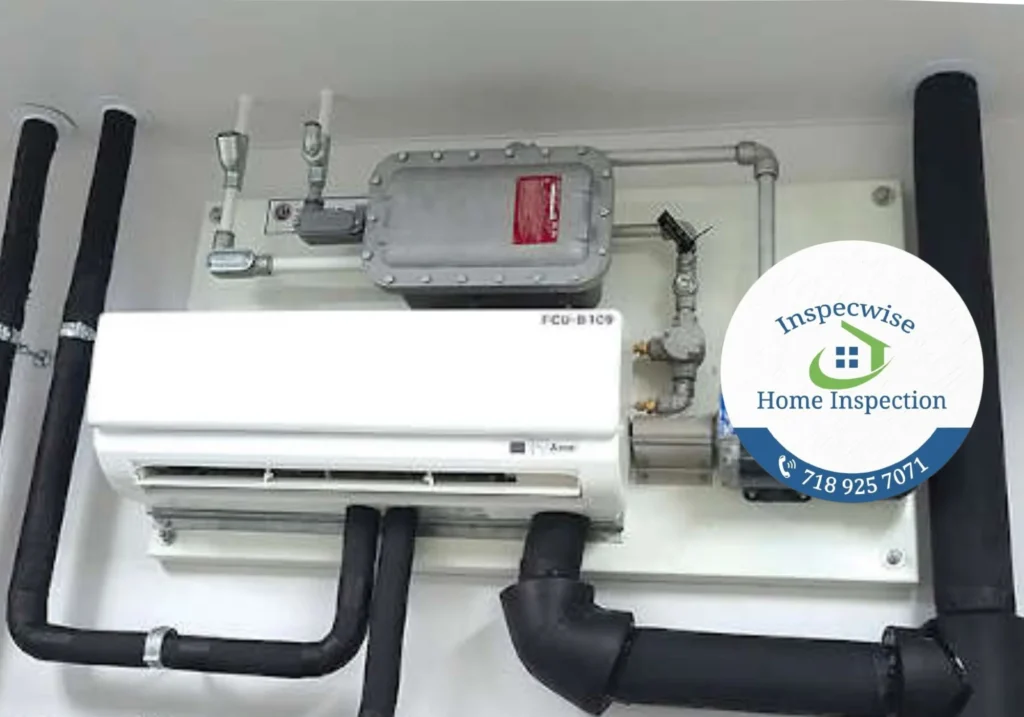
- Improperly Configured VRF and HVAC Systems: Modern luxury residential units across Manhattan and Brooklyn heavily utilize advanced Variable Refrigerant Flow (VRF) climate systems, which require precise refrigerant charging, meticulous piping layouts, and sophisticated electronic balancing. Independent assessments frequently catch uninsulated refrigerant lines running through unconditioned ceiling plenums, which creates hidden condensation paths that destroy drywall and cultivate toxic mold over time.
- Cross-Connection Plumbing and Drain Pitch Defects: In the rush to complete high-density residential layouts, sub-contractors regularly misconfigure drain lines, creating inadequate slope profiles that violate standard hydrodynamic drainage physics. Inspectors regularly identify reversed hot and cold water supplies at high-end thermostatic mixing valves, along with unvented waste loops that siphon dry, allowing sewer gases to back up freely into luxury living spaces.
- Electrical Panel Mislabeling and Missing AFCI Protection: Despite passing basic municipal field trials, brand-new electrical distribution networks often exhibit significant safety oversights, including a total lack of Arc-Fault Circuit Interrupter (AFCI) breakers in critical living zones. Panels are routinely mislabeled or left completely blank, while neutral and ground wires are improperly bonded within sub-panels, creating subtle, long-term shock hazards and chronic electronics-damaging power fluctuations.
Exterior Envelope and Fenestration Failures
- Defective Window Flashing and Architectural Glazing Seals: In the vertical jungle of New York City, driving wind-driven rain exerts extreme pressure on building facades, making proper window flashing installation absolutely vital to structural longevity. Private inspections consistently document missing or reversed window pan flashings and unsealed structural joints along floor-to-ceiling glass fenestrations, which inevitably allows water to migrate silently into sub-flooring.
- Improper Parapet and Roof Membrane Termination: The roofs of new multi-family properties and modern townhomes are complex platforms holding intensive mechanical dunnage, solar arrays, and green roof installations. Contractors frequently scrimp on the complex detailing required for liquid-applied roofing membranes, leaving parapet wall terminations un-counterflashed and scupper drains improperly seated, creating immediate pooling water issues during heavy downpours.
- Inadequate Structural Thermal Bridging Barriers: In a bid to maximize interior square footage, modern developers frequently optimize framing profiles at the absolute expense of proper thermal insulation deployment. Using advanced infrared thermography, elite inspectors uncover massive voids in spray-foam or rockwool insulation barriers, which creates severe thermal bridging that leads to high energy bills and interior wall condensation.
Phased Inspections: The Gold Standard of Protection
To fully mitigate the inherent risks of a new build, sophisticated buyers do not simply wait until the final decorative walk-through to evaluate their investment. Instead, they deploy a comprehensive strategy known as phased inspections, which embeds a private, highly qualified building expert into the property at critical intervals during the construction lifecycle. This iterative oversight ensures that components which will eventually be buried deep behind layers of concrete, stone, and drywall are thoroughly verified for structural soundness and absolute architectural plan adherence before they become completely inaccessible.
The process begins with the pre-pour foundation inspection, an essential step for ground-up townhomes, detached single-family properties, or boutique multi-family developments. This phase takes place immediately after the excavation is completed, formwork is erected, and reinforcing steel rebar is placed, but right before the concrete trucks arrive to pour the footings and basement walls. The independent inspector carefully verifies that the soil compaction meets engineering specifications, soil drainage systems are correctly laid out, and the structural rebar grid matches the stamped structural engineering schematics, preventing catastrophic future foundation cracking or uneven building settlement.
The second critical milestone is the pre-drywall inspection, which is widely considered the single most valuable evaluation phase in new construction real estate. Scheduled once the structural framing is fully complete and all mechanical, electrical, and plumbing (MEP) rough-ins have been routed through the studs, this inspection occurs right before the hanging of drywall permanently seals these systems away. This window gives the inspector an unobstructed look at the building’s skeletal structure, allowing them to verify structural load paths, identify improperly notched structural floor joists, locate missing fire-stopping fire blocking materials between floors, and catch pierced electrical cables or poorly soldered copper joints that would otherwise remain hidden until a major structural or systemic failure occurred post-closing.
Finally, the pre-closing final inspection takes place a few days before the official developer handover and title transfer. During this extensive walkthrough, the building inspector tests all finished systems under full operational loads, evaluating the functional performance of the HVAC plant, checking water pressure across all vertical drops, running appliance duty cycles, and deploying specialized diagnostics like thermal imaging to locate insulation anomalies. This phase culminates in the creation of an ironclad, authoritative deficiency punch-list that the buyer can legally leverage to require the builder to execute necessary repairs before any final funds are released from escrow.
Navigating Developer Relations and Legal Frameworks
Integrating an independent inspector into a brand-new New York City development project requires a tactical, highly professional approach, as developers are notoriously defensive regarding third-party oversight on their active jobsites. Buyers should ensure their right to conduct comprehensive, multi-phase independent inspections is explicitly written directly into the initial offering plan or purchase contract rider. This legal contingency must clearly stipulate that the buyer’s certified inspector shall be granted full, unhindered access to the premises at key construction intervals, and that the successful resolution of discovered material defects is a strict condition precedent to closing.
When presenting a comprehensive inspection report to a prominent NYC developer, the tone must be completely objective, backed entirely by empirical data, specific code references, and clear photographic evidence. Developers routinely brush off vague, cosmetic complaints from buyers, but they cannot easily ignore a formalized engineering report detailing a specific violation of the NYC Fuel Gas Code or an un-vented plumbing line violating local sanitary standards. Framing the inspection findings as a collaborative quality assurance tool rather than an adversarial attack helps keep the construction team cooperative, ensuring your punch-list items are prioritized and corrected by the primary sub-contractors before they demobilize from the site.
It is also highly critical for buyers to understand the stark operational limitations of standard builder warranties, such as the typical one-year craftsmanship warranty provided under New York State law. While these structural policies sound reassuring on paper, executing a warranty claim against a developer post-closing is a notoriously difficult, bureaucratic, and adversarial process. Many developers organize each new building under a single-purpose Limited Liability Company (LLC) that is completely liquidated and dissolved shortly after the final unit closes, leaving buyers with no functional entity to sue or hold accountable when major water leaks or structural framing shifts occur in year two. Capturing and correcting these issues via an independent inspection prior to closing is the only absolute way to safeguard your capital.
Local NYC Architectural Context and Borough Hazards
The specific neighborhood and architectural topology of your new building plays a massive role in the types of hidden construction defects you are likely to encounter. In areas like Brooklyn Heights, Park Slope, or the West Village, where new construction often takes the form of luxury infill brownstones or historic multi-family re-conversions, builders face the monumental task of tying brand-new structural steel and concrete into fragile, century-old adjacent party walls. Private inspections in these historic zones frequently reveal critical structural movement, inadequate lateral shoring, and severe micro-cracking in neighboring foundations caused by careless excavation techniques that went completely unrecorded by the builder’s crew.
Conversely, when analyzing modern, high-density glass towers in fast-developing waterfront sectors like Long Island City, Williamsburg, or the Hudson Yards district, the structural risks shift completely toward high-rise envelope engineering and massive mechanical integration. These towering glass structures are heavily susceptible to wind-induced structural racking, complex curtain-wall seal failures, and severe stack-effect pressure imbalances that can whistle through poorly fitted corridor doors and elevator shafts. Furthermore, these coastal zones feature incredibly complex, water-logged alluvial soils that require continuous, industrial-grade foundation waterproofing and advanced sub-grade dewatering systems that, if slightly mismanaged during the rapid construction process, can result in chronic subterranean water intrusion and structural slab degradation.
In more suburban, lower-density sectors of the outer boroughs, such as eastern Queens, the Bronx, or Staten Island, new construction often consists of detached or semi-detached wood-framed townhomes and custom single-family residences. In these markets, general contractors frequently employ transient, fast-moving labor crews who may cut corners on fundamental architectural details like establishing proper exterior soil grading slopes away from foundation walls, installing adequate seismic anchor bolts along sill plates, or sealing complex roof valley flashings. An expert local inspector who understands the specific micro-climate challenges, localized soil behaviors, and distinct zoning resolutions of each borough is absolutely indispensable for identifying these highly localized structural shortcuts.
Advanced Inspection Diagnostics and Technologies
The elite tier of modern building diagnostics has evolved far beyond the basic flashlight and clip-board look-see of the past. To accurately evaluate a complex modern New York City building, an expert inspector must deploy an array of non-destructive testing technologies capable of peering deep within solid concrete slabs, behind intricate European tile work, and through multi-layered building envelopes. These advanced tools allow for the definitive discovery of critical, hidden systemic anomalies without causing a single scratch to the pristine finishes of a multi-million-dollar luxury listing.
Chief among these sophisticated tools is high-resolution infrared thermography, which utilizes advanced forward-looking infrared cameras to map subtle surface temperature differentials across the interior of the home. By analyzing these thermal signatures, an inspector can instantly pinpoint massive hidden voids in exterior wall insulation, trace hidden radiant floor heating loop blockages, and locate active, hidden moisture plumes migrating from defective exterior masonry joints long before the water accumulates enough volume to physically stain or buckle the interior drywall finishes.
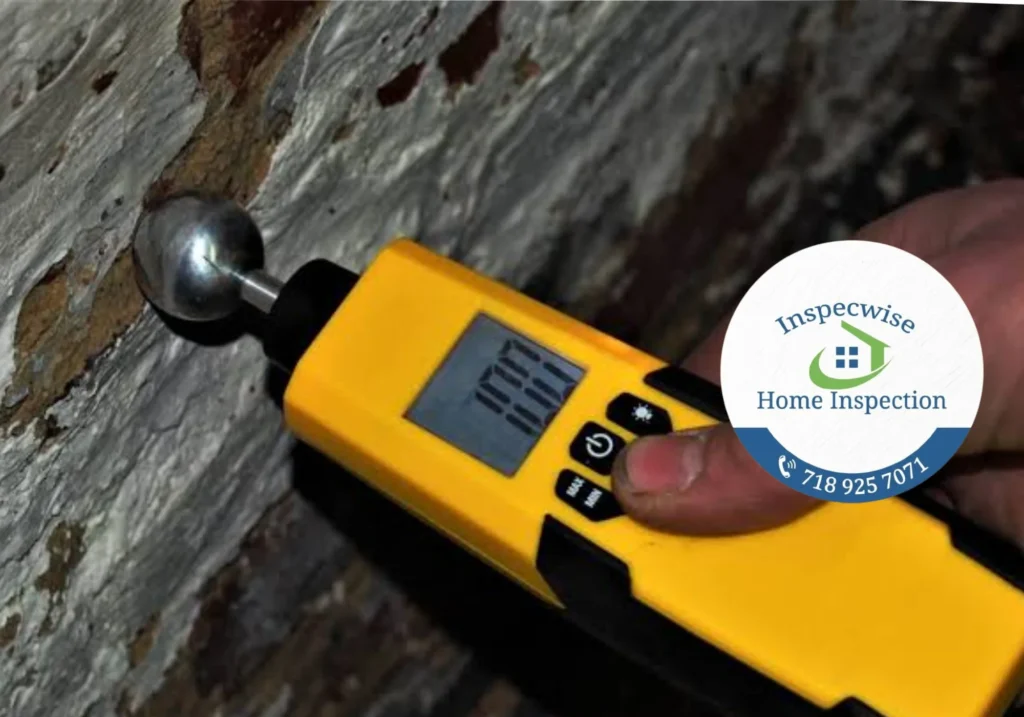
In tandem with thermal imaging, top-tier inspectors utilize specialized digital pinless moisture meters that employ electromagnetic wave technology to accurately measure the internal moisture content of plaster, wood flooring, and structural sub-strates up to an inch deep without puncturing the surface. This diagnostic capability is critical when checking brand-new luxury bathrooms and laundry suites, as it allows the inspector to verify if sub-tile waterproofing membranes were properly sealed, or if a hidden drain pipe coupling is slowly leaking water into the structural ceiling cavity below every time a high-pressure fixtures cycle runs.
Furthermore, comprehensive electrical diagnostics now utilize advanced circuit analyzers capable of executing loaded voltage-drop tests across the home’s electrical grids. By applying a temporary, simulated 15-to-20-amp operational load to a clean, newly installed circuit, these analyzers measure the precise percentage of voltage drop from the main distribution panel to the furthest outlet. A high voltage drop reading clearly alerts the inspector to undersized wiring runs, loose terminal connections behind the walls, or poorly spliced conductors, all of which represent long-term fire hazards and systemic power operational inefficiencies that standard continuity testers fail to capture.
What a Comprehensive New Construction Report Looks Like
The final output of an elite, independent inspection is a highly sophisticated, multi-page digital asset that serves as an objective, legally potent record of the property’s true physical and operational status. Unlike basic consumer checklists, a professional commercial-grade residential report categorizes every single discovered deficiency by its precise structural impact, life-safety risk level, and financial remediation severity. This clean classification system allows buyers, attorneys, and general contractors to instantly cut through minor cosmetic issues and align directly on the critical, non-negotiable structural repairs that must be executed prior to closing title.
An exemplary report relies heavily on clear, annotated digital photography paired with explicit cross-references to the applicable New York City Residential Code or manufacturer installation guidelines. For instance, if an inspector discovers that a high-efficiency condensing boiler furnace is venting via PVC lines that lack the proper upward slope angle, the report will feature a clear photograph highlighting the unpitched run, accompanied by a precise technical note explaining how this installation defect will trap highly acidic condensate water inside the fan housing, causing system shutdown and component corrosion within its first winter of operation.
This meticulous document functions as an invaluable architectural blueprint for your entire initial phase of homeownership, stretching far beyond the initial pre-closing contract negotiations. Long after the title is transferred and the developer has moved on to their next project, your comprehensive inspection report remains a vital baseline diagnostic manual. It provides your property managers and building maintenance crews with precise schematics, baseline thermal profiles, and exact operational load readouts for your mechanical infrastructure, allowing you to track structural settling patterns, monitor system wear, and protect the long-term valuation of your real estate investment.
Why Choose Inspecwise
Inspecwise stands as the premier property inspection authority across the entire New York City metropolitan landscape, delivering unparalleled technical precision, elite engineering-grade diagnostics, and sophisticated reporting tailored exclusively for high-end residential and commercial real estate transactions. Our elite team of highly specialized inspectors possesses an exhaustive, hyper-localized command of the unique architectural demands, historical structural complexities, and evolving municipal building regulations that define property development across all five boroughs. By leveraging state-of-the-art diagnostic technology including high-density thermal imaging, advanced moisture mechanics, and loaded circuit analysis. Inspecwise uncovers the critical, deeply buried structural, mechanical, and envelope deficiencies that standard inspections routinely miss. We translate highly complex engineering anomalies into clear, definitive, and legally potent deficiency punch-lists that empower our clients with the absolute clarity, empirical evidence, and strategic leverage necessary to protect their capital, negotiate from a position of undisputed authority, and secure long-term peace of mind in the world’s most competitive real estate market.
Serving All 5 Boroughs and Long Island: Manhattan • Brooklyn • Queens • The Bronx • Staten Island • Nassau County • Suffolk County
Call Inspecwise now: 718-925-7071
Licensed, Certified, and 100% NYC Local