Asbestos inspection New York protocols are among the most stringent environmental regulations in the United States, dictating strict compliance pathways for property owners, developers, and asset managers across all five boroughs. Operating within the five boroughs means dealing with a massive inventory of historical, pre-war, and post-war properties, all of which present unique environmental liabilities during ownership transfers or structural alterations. The New York City Department of Environmental Protection (DEP) alongside the Department of Buildings (DOB) mandates that before any construction, alteration, or full demolition occurs, an authorized evaluation must confirm the presence or absence of asbestos-containing materials. Failing to secure a verified survey before breaking into walls, disturbing pipe insulation, or altering structural components can bring your project to an immediate halt, triggering massive municipal fines, environmental stop-work orders, and substantial civil legal liabilities. Navigating this highly complex regulatory framework requires an intimate understanding of local laws, industrial hygienist protocols, and the critical certifications needed to keep your real estate assets compliant and safe.
Understanding the deep intersection of municipal building codes and hazardous material regulations is essential for managing commercial real estate or multi-family residential portfolios in Manhattan, Brooklyn, Queens, the Bronx, or Staten Island. Many property owners incorrectly assume that a modern building or a recent renovation automatically exempts them from environmental oversight, but municipal mandates show that any building, regardless of construction date, requires careful screening before major permits are approved. For properties undergoing comprehensive structural evaluations, it is wise to combine these environmental reviews with other structural assessments, such as a formal Home Foundation Inspection, ensuring that both the physical stability of the load-bearing masonry and the interior environmental health are fully documented before structural changes begin. This integrated approach protects your capital investments, safeguards construction crews, and ensures that your project moves seamlessly through the strict municipal screening processes required across the city.
The Regulatory Framework Governing Asbestos in NYC
The legal backbone of hazardous material management in the city rests primarily upon NYC Local Law 76/85 and its subsequent modern adaptations enforced through Title 15, Chapter 1 of the Rules of the City of New York (RCNY). These sweeping municipal regulations establish that any renovation, alteration, or demolition project requiring a DOB permit must first undergo a rigorous environmental assessment. The city does not permit general contractors, home inspectors, or standard property managers to make a visual determination regarding hazardous minerals; instead, the law demands the retention of a licensed professional holding specialized municipal credentials. The regulatory pathway is explicitly designed to prevent the accidental release of microscopic mineral fibers into densely populated urban environments, where shared ventilation systems, common hallways, and close structural proximities can amplify public health exposures.
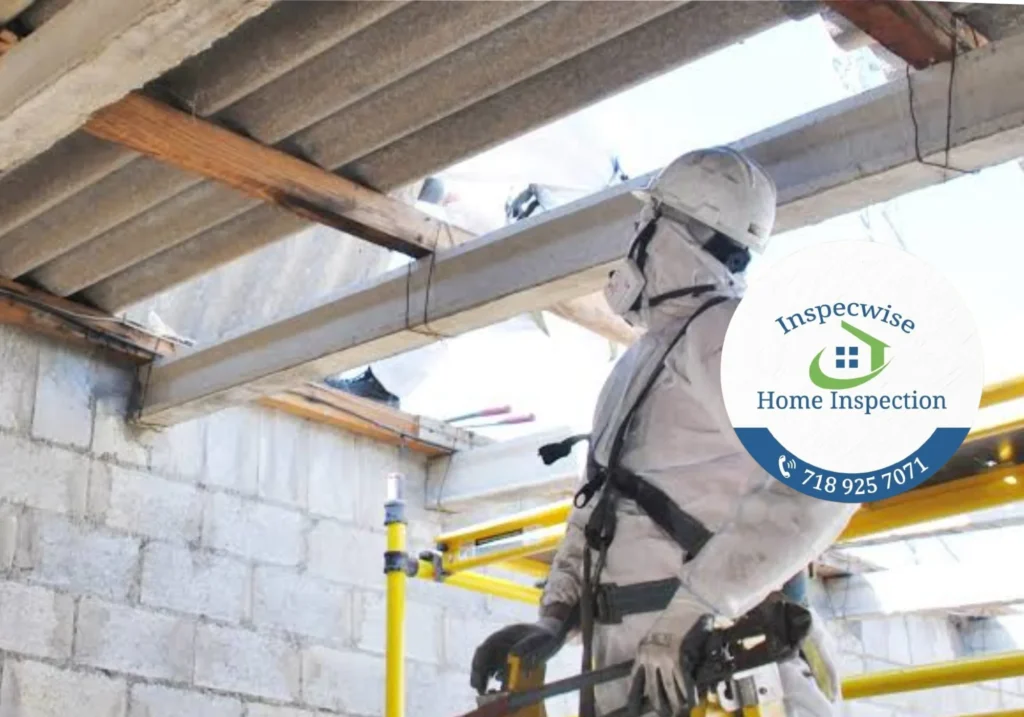
The administrative execution of these rules requires close coordination between the DEP and the DOB, creating a dual-agency gatekeeping system for all construction permits. When an architect or structural engineer files a comprehensive permit application such as a PW1 Plan/Work Application they must explicitly declare the environmental status of the project zone. If the project involves structural modifications, the owner must submit verifiable proof that a licensed investigator has surveyed the work area and found it clear of hazards or that proper remediation has been completed. This oversight system effectively locks out uncertified contractors from obtaining valid work permits, forcing compliance at the earliest planning stages of any commercial build-out, brownstone restoration, or high-rise tenant improvement project.
Recent legislative updates enacted by the DEP have significantly tightened the operational boundaries for these environmental field surveys, eliminating previous loopholes regarding remote or off-site oversight. The current regulations strictly prohibit virtual or remote supervision of field personnel, mandating that the licensed specialist remain physically present on-site during all material sampling and physical probing activities. This enforcement drive ensures that every core sample, scratch test, and material evaluation is performed with high technical accuracy, reducing the risk of missed hazards or falsified filings. For real estate developers and institutional buyers, these updated rules mean that hiring a cutting-edge, fully compliant technical team is non-negotiable for protecting investments and avoiding immediate stop-work orders.
Understanding the Vital ACP5 Certification Process
The Asbestos Assessment Report, widely known across the local real estate industry as the ACP5 form, is the ultimate administrative clearance document required to unlock DOB building permits. This official document can only be generated, signed, stamped, and electronically filed through the DEP Asbestos Reporting and Tracking System (ARTS) by a licensed professional who has physically inspected the work zone. The issuance of an ACP5 certifies to the municipality that either no hazardous materials are present in the planned construction zone, or that the volume of affected material falls safely below the city’s strict regulatory thresholds. Without this electronic clearance voucher attached to your municipal file, the DOB will automatically deny permit issuance, paralyzing your project timeline before a single hammer is swung.
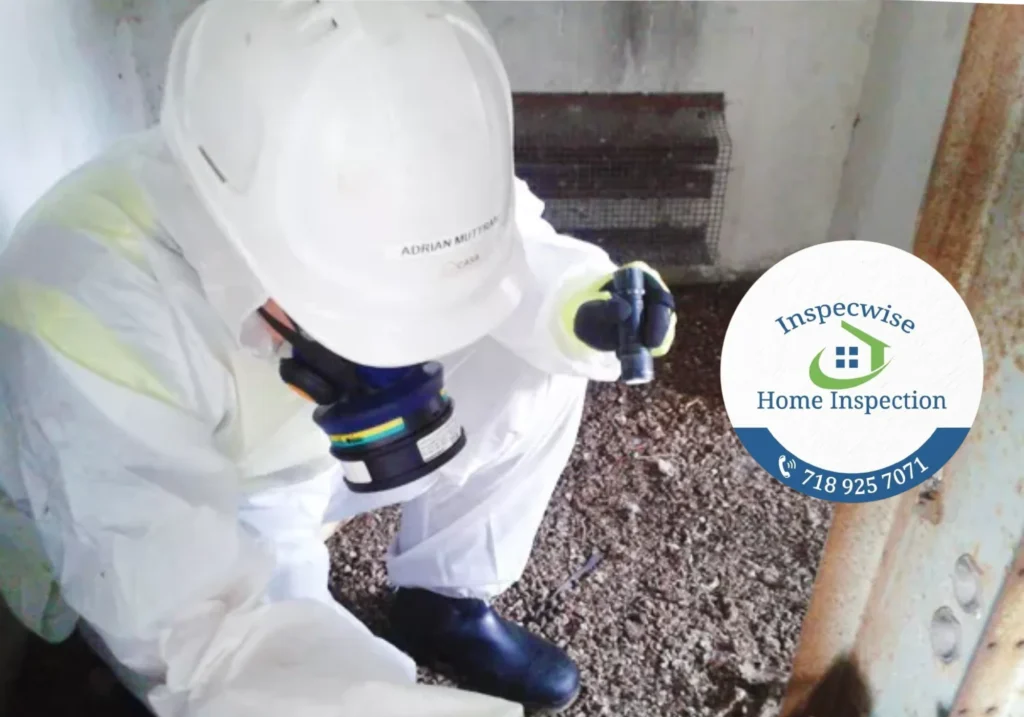
The physical investigation required to generate an ACP5 involves a meticulously detailed protocol that leaves no structural component unexamined. The licensed investigator begins by reviewing the architectural blueprints, mechanical drawings, and proposed scope of work to identify every single material scheduled for disturbance, removal, or structural penetration. Every substance within the project boundary excluding bare wood, natural stone, and fiberglass is legally classified as a suspected material and must be cataloged for evaluation. The field technician then conducts a rigorous physical walkthrough, mapping out homogeneous material zones and extracting physical bulk samples using specialized tools designed to prevent fiber release during the collection process.
Once the physical samples are carefully harvested, they must be transmitted under strict chain-of-custody protocols to an environmental laboratory approved by the New York State Department of Health Environmental Laboratory Approval Program (ELAP). The laboratory utilizes polarized light microscopy (PLM) and transmission electron microscopy (TEM) to analyze the precise mineral content of each sample, looking for actinolite, amosite, anthophyllite, chrysotile, crocidolite, or tremolite fibers. If the certified laboratory results reveal that all samples contain less than one percent of these hazardous minerals, or if the total volume of contaminated material is less than 10 square feet or 25 linear feet, the investigator can officially file the ACP5 form. This electronic filing immediately updates the municipal database, allowing your expediter or architect to move forward with securing the necessary DOB building permits.
Identifying Suspected Materials Across Diverse Property Types
The incredibly diverse architectural history of New York City means that hazardous building materials can take many forms depending on the era, borough, and design of the property. In classic pre-war multi-family apartment buildings and historic townhouses across Brooklyn and Manhattan, hazardous minerals are frequently embedded within structural thermal insulation and decorative surfaces. Conversely, in mid-century commercial warehouses in Queens or the Bronx, the material is regularly found within heavy-duty industrial components, resilient floor coverings, and exterior weatherproofing elements. An expert local inspector knows exactly where these hidden hazards lurk across different building generations:
- Thermal System Insulation (TSI): Corrugated air-cell pipe wrapping, magnesium block insulation on structural boilers, and insulating mud joints found on steam heating networks across older residential and commercial properties.
- Surfacing Materials: Decorative acoustical plaster ceiling finishes, textured popcorn ceilings, fireproofing sprays applied directly to structural steel beams, and interior joint compounds used on historical lath-and-plaster wall systems.
- Resilient Flooring and Adhesives: Classic 9-inch by 9-inch vinyl floor tiles, asphaltic floor backing materials, and the dark, thick mastic adhesives used to secure linoleum sheet flooring to concrete subfloors.
- Miscellaneous Structural Compounds: Asbestos-cement transite siding panels, exterior window glazing compounds, caulking materials around structural masonry openings, and multi-layered bituminous roofing felts or flashing cements.
For property investors investigating regional assets outside the immediate urban core, expanding your environmental due diligence checklist to include comprehensive regional testing frameworks, such as a specialized Well Water Testing Inspection New York protocol, ensures that your rural or suburban holdings are as thoroughly screened for chemical and mineral impurities as your urban structural assets. Whether dealing with a high-rise commercial tower in Midtown or a suburban commercial facility reliant on independent utility infrastructure, verifying the complete environmental safety profile of the property prevents devastating post-acquisition financial losses. Identifying these hazards early allows buyers to negotiate fair remediation credits, budget accurately for specialized handling fees, and design comprehensive asset management strategies that protect both building occupants and the corporate bottom line.
Step-by-Step Breakdown of the On-Site Inspection Protocol
An expert environmental inspection is a highly scientific, structured operation that follows strict state and federal safety guidelines to ensure total accuracy while preventing accidental workspace contamination. The process begins with a meticulous visual assessment of the target area, where the investigator establishes a formal sampling plan based on the distinct types of construction materials present.
The physical collection phase demands precision craftsmanship, as improper sampling techniques can inadvertently release dangerous airborne fibers into the building’s atmosphere. To prevent this, the field technician utilizes a controlled wet-sampling method, misting the target material with a specialized surfactant solution to lock down any loose fibers before carefully cutting a small core sample through the entire depth of the material. Each sample is immediately transferred into a heavy-duty, individually serialized poly bag, while the sample site is sealed with an airtight, encapsulating sealant to prevent any ongoing fiber release. The investigator documents each sample location with high-resolution digital photography, precise spatial notes, and clear markings on the master architectural floor plans, ensuring a transparent record of the entire field operation.
The final phase involves compiling the detailed field data, laboratory analysis sheets, and chain-of-custody documentation into a comprehensive environmental risk report. If any material tests positive for dangerous fibers, the report explicitly calculates the total square footage or linear footage of the contamination, details its physical condition (friable versus non-friable), and outlines the exact municipal remediation path required. This exhaustive, data-driven report gives property owners, structural engineers, and general contractors the precise technical insights needed to execute their projects safely, maintain total compliance with all local codes, and protect their workers from dangerous environmental hazards.
Financial and Legal Risks of Non-Compliance in NYC
The financial and legal consequences of violating municipal environmental safety rules in the five boroughs are extraordinarily severe, designed by lawmakers to deter cutting corners or bypassing proper permitting channels. The DEP maintains an active team of field enforcement inspectors who routinely conduct unannounced site visits, audit ongoing construction zones, and investigate anonymous complaints regarding unpermitted work or suspicious dust generation. If an enforcement agent discovers that a renovation or structural demolition is proceeding without a valid ACP5 or proper abatement notifications, they will issue an immediate, city-wide Stop Work Order. This administrative freeze halts all trades on the job site instantly, while the property owner faces compounding municipal penalties that can easily exceed thousands of dollars per day for each distinct violation identified.
Beyond immediate municipal fines, operating without a verified survey exposes commercial property owners and corporate officers to severe civil liability and devastating long-term litigation. If construction workers, building tenants, or members of the public are exposed to airborne mineral fibers due to uncontained material disturbance, the building owner can face massive toxic tort lawsuits, environmental negligence claims, and catastrophic brand damage. Furthermore, modern commercial title insurance policies, traditional real estate financing agreements, and institutional underwriting standards strictly demand clear environmental documentation as a non-negotiable condition for closing property transactions or releasing construction draws. Getting caught up in an environmental enforcement action can ruin your financing options, trigger technical defaults on commercial mortgages, and permanently depress the market valuation of your real estate portfolio.
Remediation Paths When Asbestos is Discovered
If your environmental survey returns positive laboratory results for hazardous minerals within the planned project zone, the path to obtaining your DOB construction permit shifts from an immediate ACP5 filing to a formal municipal remediation protocol. Under city regulations, any material that contains more than one percent of hazardous fibers and will be disturbed by the upcoming construction must be safely removed, enclosed, or encapsulated by a licensed abatement firm before standard construction permits can be released. Property owners are strictly prohibited from utilizing their regular maintenance staff or general construction crews to handle or dispose of these hazardous materials, as doing so violates both environmental safety codes and workplace protection laws.
The specialized remediation pathway begins with the property owner hiring an independent, licensed asbestos abatement contractor to handle the physical containment and removal of the contaminated materials, alongside an independent air-monitoring firm to oversee air safety. The abatement contractor must prepare a detailed project notification, known as an ACP7 form, and file it electronically through the DEP ARTS portal at least one week before any physical work begins on the site. This formal notification details the exact location, volume, and classification of the hazardous materials, the engineering controls to be used, and the authorized waste disposal site where the contaminated debris will be securely trucked and buried.
During the physical abatement process, the work zone is completely sealed off from the rest of the building using heavy-duty, fire-retardant poly sheeting and specialized negative air pressure machines equipped with high-efficiency particulate air (HEPA) filtration systems. These industrial air filtration units pull air inward through the containment zone, ensuring that no microscopic fibers can escape into common building corridors or adjacent city streets. Once the physical removal is complete, the independent air-monitoring firm takes multiple high-volume air samples inside and outside the containment area, analyzing them via Phase Contrast Microscopy (PCM) or Transmission Electron Microscopy (TEM). Only after the air samples confirm that fiber levels have dropped safely below the strict municipal clearance limits will the DEP issue a formal ACP21 Asbestos Project Completion Form, allowing your inspector to file the final clearance reports and unlock your DOB building permits.
Why Choose Inspecwise
Inspecwise stands as the premier commercial and residential inspection authority in New York City, delivering elite technical accuracy, deep local code expertise, and comprehensive environmental due diligence reporting for the city’s most sophisticated real estate assets. Our highly specialized team consists of veteran environmental investigators, structural specialists, and industrial hygienists who possess an intimate understanding of the unique architectural DNA and evolving regulatory frameworks across Manhattan, Brooklyn, Queens, the Bronx, and Staten Island. We leverage cutting-edge analytical tools, strict quality control protocols, and rapid ELAP-certified laboratory partnerships to deliver highly detailed, legally defensible evaluation reports that seamlessly clear municipal gates and protect your capital investments. Real estate developers, institutional asset managers, and discerning property buyers consistently rely on our firm to navigate complex municipal environments because we eliminate regulatory ambiguity, minimize costly project delays, and provide the absolute gold standard in comprehensive property intelligence.
Serving All 5 Boroughs and Long Island: Manhattan • Brooklyn • Queens • The Bronx • Staten Island • Nassau County • Suffolk County
Call Inspecwise now: 718-925-7071
Licensed, Certified, and 100% NYC Local