New York City Residential Code applies if you own, are buying, or are renovating a one- or two-family home, townhouse, or low-rise residential building in the five boroughs. It sets the minimum legal standards for structural safety, fire protection, electrical and plumbing systems, and livability in every borough.
It matters for a simple reason: the code determines what’s legal to build, what’s safe to live in, and what a buyer, lender, or the Department of Buildings (DOB) will flag during a transaction or renovation. Ignore it, and you risk stop-work orders, DOB violations, failed inspections, and in the worst cases, unsafe living conditions.
This guide breaks down what the code actually requires, in plain language, and explains when you need a permit, an inspection, or a licensed professional.
The stakes are higher than most homeowners realize. A code violation discovered during a sale can delay or kill a closing, since lenders and title companies routinely check DOB records before funding a mortgage. An unpermitted basement conversion can turn into a forced removal of finished space. And a fire-safety issue that goes unnoticed, like a blocked egress window or an unrated garage wall, isn’t just a paperwork problem; it’s a genuine safety risk for the people living in the home.
Who the Code Applies To
The Residential Code covers detached one- and two-family homes, townhouses, and other low-rise residential structures. Larger apartment buildings, mixed-use properties, and commercial buildings fall under separate sections of the NYC Building Code instead.
It applies whenever you:
- Buy or sell a one- or two-family home
- Renovate, add on to, or alter an existing structure
- Convert or finish a basement, attic, or garage
- Replace major systems like heating, electrical, or plumbing
One added wrinkle in New York: if your property sits in a historic or landmarked district, any exterior work also needs sign-off from the Landmarks Preservation Commission on top of standard DOB approval. That extra layer catches a lot of brownstone and row house owners off guard when they assume a straightforward repair only needs a building permit.
Structural Requirements: Foundations and Framing
New York’s building stock spans over a century, from Brooklyn brownstones to modern infill construction, and the soil underneath varies just as much, from solid bedrock in parts of Manhattan to softer glacial sand in southern Brooklyn and Queens. The code accounts for this by setting strict standards for foundations, framing, and masonry.
Pre-war wood framing. Many homes built before 1940 still have their original wood floor joists. These often sag over time from age and long-term loads. If you’re renovating, the code requires an engineer or inspector to confirm the joists can still carry a minimum live load of 40 pounds per square foot, reinforcing them with new lumber if they can’t.
Brownstone and masonry cracking. This is especially relevant for a Home Inspection Brooklyn buyer needs, given how many brownstone-era properties are still in use. Some settling cracks around windows and doors are normal in older masonry buildings. What’s not normal: cracks wider than a quarter-inch, stair-step cracking through mortar joints, or a bulging front wall. Those are signs of active structural movement, not just age.
Party walls. Row houses and townhouses often share a central wall with the building next door. If a neighbor excavates or underpins their foundation, the code requires an engineering plan approved by the DOB to make sure your shared wall isn’t compromised during their construction. Owners on both sides of a party wall are generally entitled to review that plan, and in many cases a pre-construction survey of the adjoining property is required to document existing conditions before work begins, so any new damage can be identified and traced back to the responsible party.
A Home Foundation Inspection is the most reliable way to tell the difference between cosmetic settling and a structural problem before it becomes expensive.
Mechanical Systems: Heating, Gas, and Plumbing
Mechanical systems are where a lot of older NYC homes fall out of compliance, mainly because they’ve been patched or partially upgraded over decades rather than replaced all at once.
Heating equipment. Boilers need working pressure-relief valves, low-water cutoffs, and proper clearance from combustible framing, typically 18 inches for a single-wall metal flue, though a listed double-wall vent can reduce that to as little as 1–2 inches.
Gas piping. All gas lines must use approved materials, usually threaded or welded black steel pipe, sized and pressure-tested according to the NYC Fuel Gas Code. This is a common source of violations we see during a Home Inspection Queens request, where older attached homes often had gas lines extended informally over the years to serve added appliances without proper permits.
Plumbing. Supply lines, drainage, and venting all need to meet code minimums for pipe sizing and material. A Home Plumbing Inspection can catch outdated galvanized piping, improper venting, or illegal basement additions before they turn into a leak or a failed closing.
Need help verifying your home’s compliance with the New York City Residential Code before you buy, sell, or renovate? Schedule an inspection with Inspecwise. Our licensed inspectors know what DOB and code officials actually look for.
Electrical Safety Standards
Electrical violations are among the most common issues our team finds during a Home Inspection Bronx visit, especially in older multi-family properties that have been rewired piecemeal over the years without a full panel upgrade.
The code requires:
- Adequate panel capacity for the home’s actual electrical load
- Arc-fault and ground-fault protection in specific rooms (bedrooms, kitchens, bathrooms, and outdoor outlets)
- Properly grounded and bonded systems
- No open splices, exposed wiring, or double-tapped breakers
A Home Electrical Inspection uses thermal imaging to spot overloaded circuits and loose connections that produce heat long before they trip a breaker, often invisible during a standard walkthrough.
Fire Safety and Egress Rules
Because homes sit so close together across the city, fire separation and safe evacuation routes are treated as a top priority under the code.
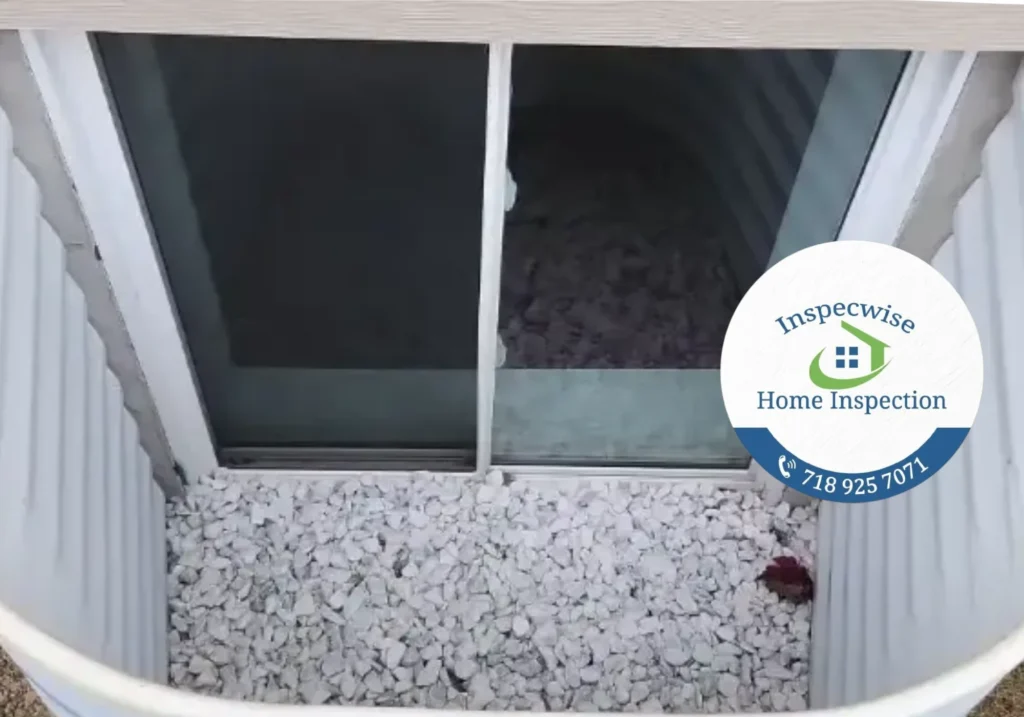
Bedroom windows. Every sleeping room needs an emergency escape window, sized under code provisions similar to R310: a net clear opening of at least 5.5 square feet, minimum 24-inch height, 20-inch width, and a sill no higher than 44 inches off the floor. This trips up a lot of pre-war walk-ups, which is why a Home Inspection Manhattan so often flags original windows that are too small or set too high to meet the standard.
Window guards and bars. Security bars over an escape window need an interior release that opens without a key or tool. Separately, buildings with three or more units, or where a child under 10 lives, must have window guards installed, per NYC health code.
Fire-rated walls. Shared walls between townhouses need at least a 1-hour fire rating with a sprinkler system, or 2 hours without one. That rating has to run continuously from the foundation to the underside of the roof, without gaps at floor lines or utility penetrations, since any break defeats the purpose of the wall. Garages must be separated from living space with fire-rated drywall, and any door between them needs a solid core and a self-closer.
Stairs. Risers can’t exceed 8¼ inches, treads need at least 9 inches of depth, and any staircase with four or more steps needs a continuous handrail 34–38 inches above the tread.
Ventilation and Natural Light
Habitable rooms, meaning bedrooms, living rooms, and dining rooms, need enough natural light and fresh air to meet the code’s basic livability standard. This is one of the more overlooked requirements, especially in converted spaces.
Glazing and openable area. Every habitable room needs window glazing equal to at least 8 percent of the room’s floor area, with at least 4 percent of that area able to open for ventilation. A finished basement or interior room that can’t meet this threshold isn’t automatically disqualified, but it needs a mechanical ventilation system engineered to supply continuous fresh air instead.
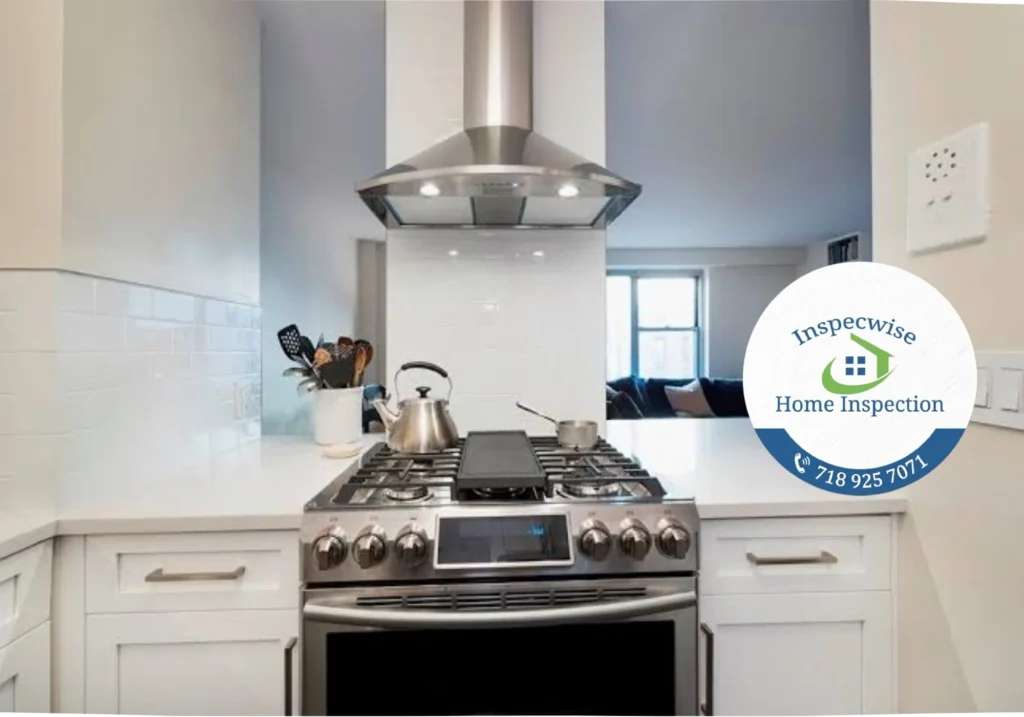
Kitchen and bathroom exhaust. Kitchens and bathrooms need dedicated exhaust systems that vent directly to the outside. Range hoods in particular can’t terminate in an attic, crawlspace, or wall cavity, since trapped grease buildup in those spaces is a documented cause of hidden structural fires.
Dryer venting. Dryer exhaust ducts must be rigid metal, not the flexible plastic or foil tubing sold in most hardware stores, and can’t run longer than 35 feet total, with deductions for each turn. Undersized or overly long dryer vents are a common lint-related fire hazard inspectors flag in older homes.
Moisture, Mold, and Roofing
Water is the most persistent threat to NYC homes, between freeze-thaw winters and older building envelopes that weren’t designed with modern vapor control in mind.
Ice barriers. Sloped roofs need a self-adhering ice barrier membrane extending at least 24 inches past the interior wall line, to stop winter ice-damming from backing water up under shingles.
Flat roofs and parapets. This comes up often during a Home Inspection Staten Island on older detached homes, as well as on flat-roof row houses citywide. These roofs need parapet walls at least 3 feet tall with weatherproof coping, plus interior drains that route water away from the foundation instead of onto sidewalks or neighboring lots.
Mold. If a leak has gone unaddressed long enough to affect drywall, flooring, or framing, don’t start demolition yet. New York requires a certified NY Mold Assessor to write a remediation plan first. A Home Mold Inspection confirms whether what you’re looking at is a hidden moisture problem or just surface staining.
Common Violations Inspectors Actually Find
Every inspector who’s worked across the five boroughs sees the same handful of issues surface again and again. Most aren’t the result of shoddy construction; they’re the result of decades of small, unpermitted changes stacking up on top of each other.
| Issue | Where It’s Most Common | Why It Happens |
|---|---|---|
| Sagging or undersized floor joists | Pre-war homes citywide | Original framing wasn’t sized for modern loads |
| Illegal basement conversions | Queens, Bronx, Brooklyn | Added living space without permits or egress windows |
| Undersized or blocked bedroom windows | Manhattan pre-war buildings | Original construction predates current egress rules |
| Informal gas line extensions | Attached homes citywide | Appliances added over time without a permit |
| Outdated electrical panels | Multi-family Bronx and Brooklyn homes | Never upgraded to match added electrical load |
| Missing or degraded parapet coping | Flat-roof row houses and Staten Island homes | Deferred roof maintenance |
None of these issues are usually visible during a casual walkthrough. A finished basement can look perfectly livable while still missing a legal egress window. A newer electrical panel can be hiding double-tapped breakers behind the cover plate. That gap between what a property looks like and what it actually complies with is exactly why a professional inspection matters more than a quick visual once-over.
Permits and Inspections
Most structural, electrical, plumbing, and mechanical work requires a DOB permit before work begins. Simple cosmetic repairs generally don’t, but it’s easy to misjudge where that line falls. Pulling a permit after the fact, or not at all, is one of the most common (and costly) mistakes homeowners make.
The general process looks like this:
- A licensed architect, engineer, or contractor files the job with the DOB, including drawings for anything structural.
- The DOB reviews and approves the filing before work can legally start.
- Inspections happen at set milestones, such as after framing is complete but before drywall goes up, so inspectors can verify the work before it’s covered.
- Once all inspections pass, the DOB signs off and closes the permit.
Skipping any of these steps, even for work that seems minor, can leave you with an open or unresolved DOB violation that surfaces later during a sale, refinance, or insurance claim.
If you’re buying an older property or need documentation for insurance or underwriting, a 4 Point Home Inspection covers the four systems underwriters care about most: roof, electrical, plumbing, and structure/HVAC.
Frequently Asked Questions
What is the New York City Residential Code? It’s the local building code that sets minimum safety and construction standards for one- and two-family homes, townhouses, and other low-rise residential structures across the five boroughs.
Is the NYC Residential Code different from the New York State code? Yes. NYC has its own local amendments layered on top of the state code to address the city’s density, older housing stock, and specific environmental conditions like flood zones and soil variability.
When do I need a permit? Generally, any structural change, electrical or plumbing work, or system replacement requires a DOB permit. Cosmetic work like painting or flooring usually doesn’t.
What happens if I violate the Residential Code? Depending on severity, this can range from a fine and a corrective order to a full stop-work order, and in serious cases, it can affect your ability to sell or refinance the property until it’s resolved.
Who enforces the code? The NYC Department of Buildings is the primary enforcement agency, though other departments like the Department of Environmental Protection and the Fire Department also have jurisdiction over specific systems.
Do I need an inspection even if I’m not renovating? It’s still worth it. Many code issues, like undersized bedroom windows, outdated electrical panels, or missing fireblocking, exist quietly in homes for years without anyone noticing until a sale, insurance claim, or emergency forces the issue.
Can I finish my basement without a permit? No. A finished basement that’s used as living space needs to meet the same egress, ceiling height, and ventilation standards as any other habitable room, which almost always requires a permit and, in many cases, a legal egress window.
How long does a typical residential inspection take? For a one- or two-family home, a full inspection covering structure, electrical, plumbing, and mechanical systems generally takes two to four hours, depending on the size and age of the property.
Work With Inspecwise
Reading the code is one thing. Knowing how DOB inspectors, underwriters, and engineers actually apply it to a 100-year-old Brooklyn brownstone or a Queens attached home is another. At Inspecwise, we work across every borough and bring the same forensic, code-focused approach to every property, backed by thermal imaging, drone roof mapping, and detailed reporting.
Whether you’re closing on a purchase next month or just want a clear picture of where your home stands today, our inspections turn the code from a dense legal document into a straightforward list of what needs attention, and what doesn’t.
Ready to get started? Book a Home Inspection NYC with Inspecwise and get a clear, code-focused report you can actually act on.
Serving All 5 Boroughs and Long Island: Manhattan • Brooklyn • Queens • The Bronx • Staten Island • Nassau County • Suffolk County
Call Inspecwise now: 718-925-7071
Licensed, Certified, and 100% NYC Local