NY mold assessor license requirements dictate that any professional performing mold assessments in New York City must hold a valid credential issued by the New York State Department of Labor (NYSDOL). This strict regulation is designed to protect commercial and residential property owners from fraudulent practices and to ensure public safety, as mold exposure posing severe health risks is a frequent issue across the five boroughs. The law explicitly requires a clear separation of duties: the licensed mold assessor who identifies the problem and writes the remediation plan cannot be the same individual or firm that executes the mold cleanup.
Navigating the nuances of local environmental hazards requires an intimate understanding of New York City’s diverse structural landscape, ranging from historic, timber-framed Brooklyn brownstones to soaring, complex commercial glass towers in Midtown Manhattan. A certified mold professional operating within this market must be proficient in recognizing how specific building types react to moisture infiltration. Whether dealing with a sprawling commercial facility or executing a detailed home mold inspection, securing a proper independent assessment is the essential first step toward achieving legally compliant remediation.
Understanding the New York State Mold Law
Article 32 of the New York State Labor Law established mandatory licensing requirements for professionals handling mold assessment, remediation, and abatement. This comprehensive legislation was enacted to establish high professional standards and safeguard consumers against predatory industries. The cornerstone of this law is the strict prohibition of conflicts of interest. Under these rules, a licensed mold assessor cannot perform the remediation on the exact same property, nor can they have any financial interest in the mold remediation company hired to execute the cleanup work.
For a property manager or real estate investor in New York City, compliance with Article 32 is not merely a recommendation; it is a critical legal mandate. Failing to hire a separate, third-party professional with a valid NY mold assessor license can nullify building insurance policies, trigger severe fines from the NYC Department of Buildings (DOB) or the Department of Housing Preservation and Development (HPD), and lead to significant liability issues during real estate transactions. This legal division guarantees that the evaluation remains completely objective, objective, and focused solely on structural integrity and safety.
The Core Scope of Work for a Licensed Mold Assessor
A professional possessing a NY mold assessor license is legally authorized to execute specific, highly technical tasks designed to evaluate indoor air quality and structural moisture problems. The scope of work is rigorously defined by the state to maintain data integrity and protect building occupants.
Initial Visual Inspection and Site Assessment
The assessor conducts a meticulous physical walkthrough of the entire property, mapping out microclimates and structural vulnerabilities. In older pre-war buildings in Manhattan or Queens, this involves looking beyond superficial plaster walls to find hidden leaks inside masonry cavities, uninsulated pipe chases, and faulty steam riser channels.
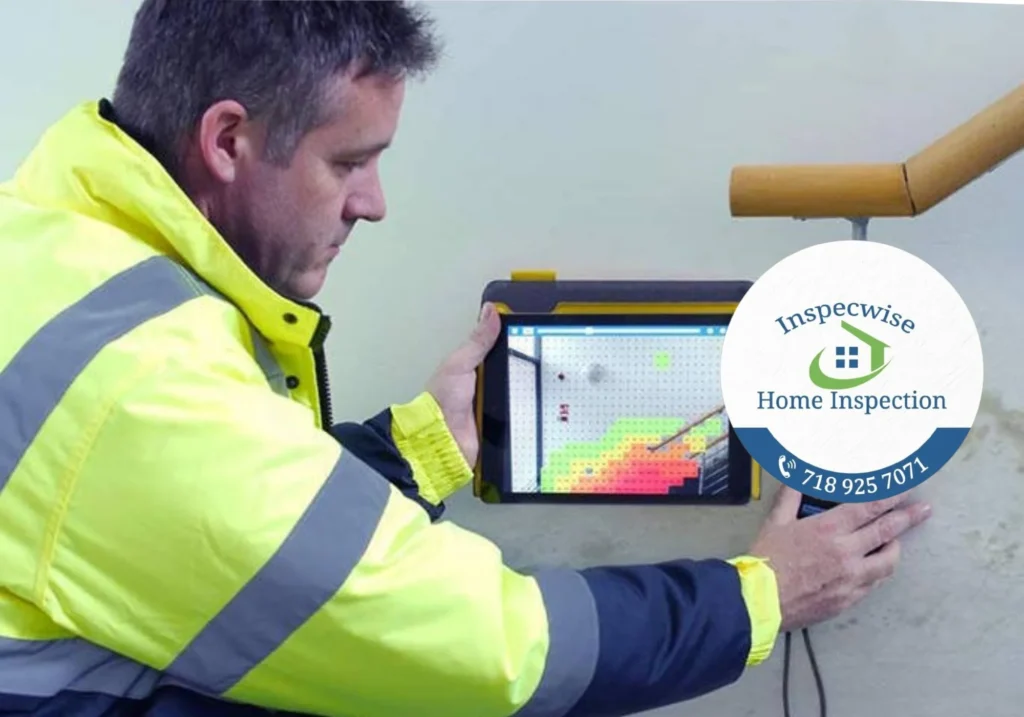
Moisture Mapping and Diagnostic Tools
Using sophisticated diagnostic technology, the assessor traces the exact path of water intrusion without causing unnecessary destruction to the building fabric. This phase of the assessment relies heavily on specialized instruments:
- Infrared thermography cameras to detect hidden thermal anomalies and moisture pockets behind drywall or concrete blocks.
- Pinless moisture meters to check relative moisture levels in delicate plaster or hardwood flooring.
- Pin-type wood moisture meters to assess structural framing timbers inside joist pockets and crawl spaces.
- Digital hygrometers to calculate ambient relative humidity, dew points, and grains per pound of air moisture.
Environmental Sample Collection
When visible mold is not explicitly apparent but indoor air quality issues are reported, the licensed assessor collects scientifically valid samples for laboratory analysis. This process includes pulling ambient air spore traps to measure total fungal particulate counts, taking direct tape lifts from suspect surfaces, and gathering bulk physical samples from compromised building materials. All collected media are dispatched under strict chain-of-custody protocols to an accredited environmental testing laboratory.
Developing the Remediation Work Plan
The ultimate deliverable of a successful mold assessment is a legally binding, detailed mold remediation work plan. This technical document outlines the exact scope of cleanup work required, specifies the building materials that must be safely removed versus those that can be salvaged, defines the engineering containment controls (such as negative air pressure zones and HEPA filtration), and establishes the precise criteria that must be fulfilled to successfully pass the final clearance evaluation.
Technical Challenges of Mold Assessment in NYC Architecture
Evaluating mold and underlying moisture conditions across the five boroughs of New York City requires an expert-level understanding of localized architectural anomalies and historic building practices. Standard national mold protocols often fall short when applied to the hyper-dense, complex building stock unique to the local landscape.
Pre-War Brick and Mortar Structures
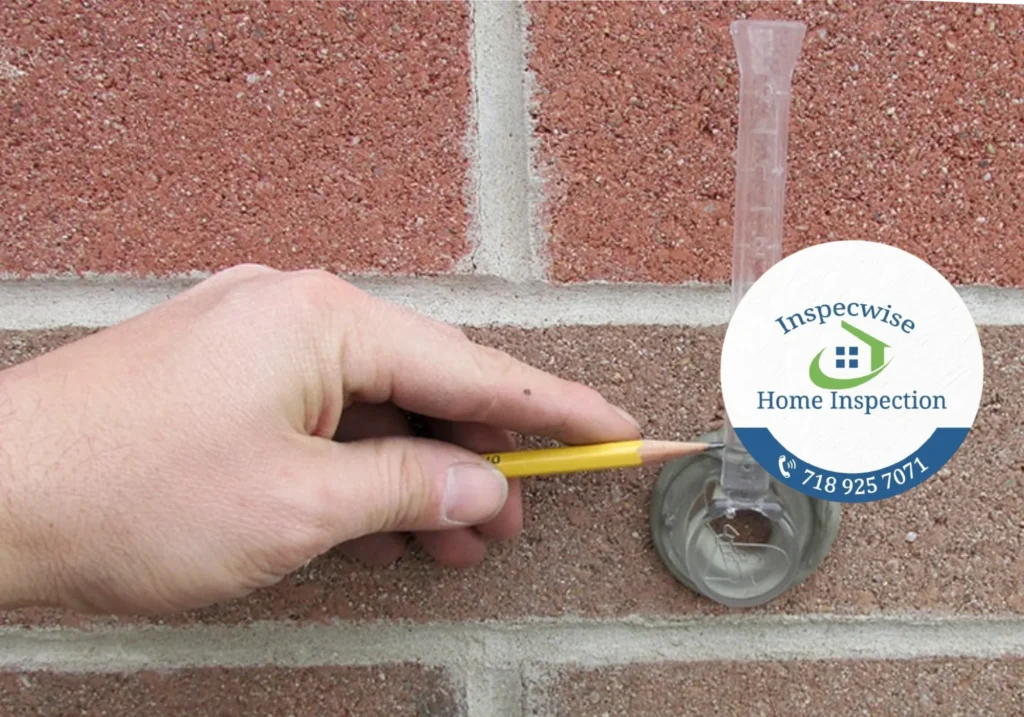
Thousands of multi-family buildings throughout Brooklyn and the Bronx feature multi-wythe structural brick walls constructed without modern vapor barriers or drainage cavities. Over decades, soft historic brick can become highly porous, absorbing exterior rainwater through a process known as wind-driven rain penetration. A certified assessor must be capable of distinguishing between transient ambient humidity issues and deep-seated masonry saturation, which frequently fuels hidden mold growth behind interior plaster and wood furring strips.
Modern High-Rise Commercial Office Towers
In massive commercial properties across Manhattan, mold issues are frequently tied to complex, pressurized HVAC mechanical systems and massive chilled water loops. When building insulation degrades around large ductworks or dual-temperature pipe lines, condensation forms rapidly within drop-ceiling plenums, creating an ideal environment for hidden fungal colonization. Assessing these spaces requires a comprehensive review of commercial building blueprints, mechanical air balances, and zone-specific filtration layouts.
Underground Basements and Sub-Grade Vaults
New York City’s high water table, particularly in coastal zones like parts of Queens, Staten Island, and Lower Manhattan, subjects sub-grade structures to relentless hydrostatic pressure. Water forces its way through microscopic cracks in poured concrete foundations or stone rubble walls. An assessor holding a NY mold assessor license must evaluate these subterranean environments with extreme care, identifying structural water seepage versus interior condensation caused by poorly ventilated storage spaces or insufficient air exchange rates.
Steps to Obtain a NY Mold Assessor License
For individuals looking to enter this high-demand environmental field, the state maintains a transparent, rigid pathway to licensure designed to weed out unqualified applicants and maintain industry excellence.
Step 1: Satisfy Prerequisites and Experience Rules
Before registering for any technical training, an applicant must be at least 18 years of age and meet specific educational or professional milestones. The state typically looks for a solid baseline in construction management, engineering, industrial hygiene, or environmental science, although practical field experience can often serve as a viable entry path when paired with appropriate secondary education credentials.
Step 2: Complete the State-Approved Training Program
Candidates must successfully attend and complete an intensive, 32-hour initial training course administered by an education provider specifically accredited by the New York State Department of Labor. This comprehensive classroom and field coursework thoroughly covers a broad spectrum of vital professional topics, including:
- Current state and federal environmental safety regulations.
- Advanced building science and moisture transmission dynamics.
- Comprehensive microbial biology and fungal identification metrics.
- Detailed personal protective equipment (PPE) protocols, including respiratory protection fitting rules.
- Scientific sample collection protocols and strict field documentation strategies.
- Step-by-step drafting techniques for defensible remediation work plans.
Step 3: Pass the Formal Certification Examination
At the conclusion of the 32-hour course, candidates must achieve a passing grade on a rigorous comprehensive examination. This assessment tests the student’s ability to apply theoretical building science principles to real-world field scenarios, ensuring they can accurately identify root causes of moisture failure and draft legally compliant remediation protocols.
Step 4: Submit Formal Application to the NYSDOL
Upon passing the exam, the applicant submits their official documentation package to the New York State Department of Labor. This submittal includes the formal training certificate, completed state application documents, proof of identity, and the statutory licensing fee (currently established at $225). Additionally, applicants must provide verifiable evidence of appropriate professional liability insurance coverage, maintaining a minimum policy threshold of $1,000,000 to protect consumers from errors or omissions during field assessments.
Commercial vs. Residential Mold Assessments: Key Operational Differences
Occupancy and Risk Factors
- Residential Properties: Show a high exposure sensitivity and immediate health risks for families, children, and infants inside bedrooms.
- Commercial Properties: Involve a much broader legal and financial liability because environmental issues potentially affect hundreds of employees, tenants, and business visitors.
Primary Regulatory Drivers
- Residential Properties: Typically driven by local property transfers, landlord-tenant disputes, and specific municipal compliance demands like NYC HPD mold violations.
- Commercial Properties: Heavily mandated by federal OSHA worker safety laws, complex commercial lease terms, and strict corporate risk mitigation protocols.
HVAC System Complexity
- Residential Properties: Rely on simple, standalone split systems, PTAC units, or standard residential gas furnaces.
- Commercial Properties: Feature highly engineered, multi-zone variable air volume (VAV) mechanical networks, massive chillers, and industrial cooling towers.
Remediation Scale and Execution
- Residential Properties: Utilize localized containment structures built efficiently using heavy-duty polyethylene sheeting.
- Commercial Properties: Require large-scale physical zoning, massive negative pressure machine arrays, and carefully coordinated off-hours work schedules to prevent business disruption.
Environmental Testing Protocols
- Residential Properties: Focus on targeted biological sampling within immediate living spaces, common areas, and basements.
- Commercial Properties: Demand comprehensive multi-floor grid testing alongside extensive baseline indoor air quality profiles.
Detailed Assessment Methodologies for the Five Boroughs
Executing a bulletproof property evaluation requires an analytical approach tailored directly to the specific neighborhood, geographic positioning, and local microclimate of the asset.
Manhattan: High-Density High-Value Real Estate
In Manhattan’s dense commercial grid, property damage from water lines can quickly cascade down multiple floors, impacting several separate commercial corporate tenancies. A licensed assessor operating here must quickly pinpoint the exact moisture migration point across complex floor assemblies, utilizing thermal imaging to map hidden internal dampness without disrupting high-value business operations.
When managing significant environmental concerns in large commercial spaces, building owners frequently require a broader inspection scope. Integrating a commercial mold inspection protocol within your due diligence period ensures that massive corporate complexes, high-rise office towers, and retail storefronts are completely protected against systemic air-conduit mold infestations that could shut down corporate operations or trigger massive employee grievances.
Brooklyn: Historical Brownstones and Adaptive Reuse
Brooklyn’s real estate market features a delicate mix of historic wood-and-brick row houses alongside sprawling industrial warehouses converted into modern creative offices. Inspectors must look closely for rot and hidden fungal growth inside old cellar crawlspaces where joists embed into damp foundation walls. These structures require delicate care to prevent structural damage while effectively identifying toxic strains of mold like Stachybotrys chartarum.
Queens: Coastal Exposure and Localized Drainage Issues
Properties across Queens, particularly in neighborhoods like Astoria, Long Island City, and coastal areas along the Rockaway Peninsula, face severe environmental humidity and seasonal high-water tables. For single-family residences and low-rise apartments, arranging an independent home mold inspection is often required to identify moisture tracking through foundation block walls after major heavy rain events or coastal flooding surges. This targeted analysis helps homeowners clear city violations and ensure healthy living spaces.
The Bronx: Industrial Assets and Dense Multi-Family Complexes
The Bronx contains major logistics hubs, industrial warehouses, and large multi-family housing complexes. Assisting property managers in this borough requires checking massive concrete masonry units (CMU) and extensive flat roofing profiles. Assessors focus heavily on parapet flashing failures and roof drainage blocks, which can cause large amounts of water to enter top-floor apartments or storage bays, leading to rapid mold growth behind drywall and acoustic ceiling tiles.
Staten Island: Suburban Basements and Waterfront Commercial Zones
Staten Island’s unique mix of sprawling suburban neighborhoods and active maritime waterfront commercial properties presents distinct environmental challenges. Sub-grade basement spaces are highly susceptible to foundation seepage due to poor natural soil drainage and heavy clay compositions. Assessors check for improper grading, failing sump pumps, and poor vapor barriers beneath slab-on-grade commercial floors.
Post-Assessment: The Clearance Inspection Protocol
The work of an expert possessing a NY mold assessor license is far from finished once the initial remediation work plan is delivered to the client. After a certified remediation contractor completes the physical cleaning and structural drying out of the property, the independent assessor returns to perform the mandatory, high-stakes post-remediation clearance evaluation. This process provides official verification that the indoor space is safe to reoccupy.
During this evaluation, the inspector looks closely at the designated containment areas to ensure they are entirely free of all visible dust, biological film, or lingering structural soot. The inspector then uses high-precision moisture meters to confirm that all structural studs and surrounding subfloors are completely dry, typically verifying that drywall reads below 15% moisture content (MC) and timber elements remain under 12% MC.
Once the physical space passes visual and moisture checks, the assessor takes active air spore samples inside the containment zone, along with an outdoor control sample for baseline comparison. The space cannot receive a passing clearance certificate unless the laboratory analysis confirms that the indoor fungal spore counts are significantly lower than the outdoor environment, and that toxic indicator mold strains have been entirely eliminated.
Why Choose Inspecwise
Inspecwise stands out as New York’s premier commercial and residential property inspection authority, offering unparalleled technical accuracy, deep local code expertise, and elite digital reporting metrics across all five boroughs and Long Island. Our team of highly trained professionals holds valid NY mold assessor license credentials, ensuring that every property assessment, moisture mapping overview, and final post-remediation clearance certificate complies with New York State Labor Law Article 32. We blend field-tested building science with cutting-edge diagnostics including high-resolution infrared thermography and digital air quality analysis to deliver clear, legally defensible reports that protect your assets, minimize corporate liability, and maintain optimal indoor environmental safety.
Serving All 5 Boroughs and Long Island: Manhattan • Brooklyn • Queens • The Bronx • Staten Island • Nassau County • Suffolk County
Call Inspecwise now: 718-925-7071
Licensed, Certified, and 100% NYC Local