4 point home inspection procedures represent a critical, highly specialized layer of due diligence within the fast-paced, high-stakes New York City real estate market. Unlike a general property assessment that evaluates hundreds of aesthetic and functional components, this targeted evaluation zeroes in exclusively on the core mechanical and structural lifelines of a building to satisfy stringent property insurance underwriting requirements. Because the metropolitan landscape is dominated by aging infrastructure ranging from historic turn-of-the-century townhouses to mid-century residential towers carriers demand concrete evidence that a property’s foundational systems are safe, functional, and not imminent liabilities. When buyers enter the contract phase, they often discover that securing a favorable homeowners insurance policy hinges entirely on passing this focused, four-pillar examination. The scrutiny placed on these assets is immense, driven by the unique environmental and architectural pressures of the five boroughs. An aging building in this dense urban grid is subject to intense operational wear and tear, necessitating an elite level of technical evaluation to prevent catastrophic financial losses stemming from fire, water damage, or structural failure.
Understanding the 4 Point Home Inspection Framework in New York
The fundamental architecture of this specialized underwriting assessment revolves around mitigating the highest statistical risks faced by insurance providers in dense urban environments. Property insurers are not concerned with cosmetic defects, minor appliance malfunctions, or standard wear and tear on interior finishes; their singular focus is on the catastrophic failure points that lead to massive, multi-unit damage claims. The four pillars electrical, plumbing, heating, and roofing represent the precise systems that, if compromised, can literally destroy a building from the inside out or allow the outside environment to rapidly degrade the interior structure. By isolating these four categories, insurers can quickly gauge the overall operational health of an asset and determine whether the buyer is inheriting a stable property or a ticking time bomb of deferred maintenance.
The Role of Insurance Underwriting in Real Estate
Understanding how these specific requirements apply regionally is absolutely essential for a smooth transaction, which is why executing a comprehensive home inspection in Queens often serves as a mandatory prerequisite for buyers targeting the borough’s distinct architectural mix of detached single-family houses and multi-generational attached brick row homes. In highly sought-after neighborhoods like Flushing, Astoria, and Bayside, where properties frequently feature older mechanical systems, legacy construction materials, and complex shared utility configurations, evaluating the specific nuances of the local housing stock allows buyers to accurately anticipate which precise elements an insurance carrier will scrutinize. Navigating these regional architectural quirks requires a trained, highly experienced eye that understands exactly what underwriters consider a manageable baseline risk versus what they classify as an uninsurable, immediate hazard requiring pre-closing remediation.
Decoding the Electrical System Assessment
The electrical grid of a New York property is arguably the highest-risk component evaluated during this specialized process, as outdated, amateurly modified, or overloaded wiring is a leading cause of catastrophic urban residential fires. Insurance carriers mandate a rigorous, uncompromising assessment of the electrical service entrance, the main distribution panel, and the visible branch wiring to ensure strict building code compliance and adherence to modern fire safety standards. The incredible density of city living means that an electrical fire in an attached brownstone or a multi-unit cooperative building threatens not just a single physical asset, but the entire adjacent structural block and the lives of hundreds of residents. Therefore, the electrical evaluation demands highly detailed documentation of the system’s overall amperage capacity, the presence of adequate grounding pathways, and the explicit identification of any historically dangerous electrical materials hidden within the walls.
Hazardous Historical Wiring Materials
Inspectors meticulously search for obsolete materials that were once standard but are now recognized as severe liabilities. The focus is identifying wiring that degrades under the thermal stress of modern power demands.
- Knob-and-Tube Wiring Identification: This early-generation electrical system, notoriously prevalent in properties built prior to the 1940s, lacks a dedicated grounding conductor. Its primary danger lies in the rubber and cloth insulation, which becomes highly brittle over decades of thermal expansion and contraction, presenting a severe arc-fault and fire risk when subjected to the continuous loads of modern appliances and climate control systems.
- Aluminum Branch Wiring Risks: Common in residential retrofits and new construction from the late 1960s to the mid-1970s, aluminum wiring is immediately flagged due to its dangerous metallurgical properties. Aluminum tends to rapidly oxidize and undergo cold creep at connection points, causing terminals to loosen and overheat a critical defect that insurers frequently require to be mitigated via specialized copper-tail crimping before they will issue binding coverage.
- Degraded Cloth-Insulated Conductors: Even if a system is not strictly knob-and-tube, early Romex-style cables utilized a woven cloth outer jacket that frequently crumbles when exposed to the high ambient heat found in New York attics and cramped mechanical chases, exposing bare, energized conductors to combustible wood framing materials.
Obsolete and Recalled Distribution Panels
The main electrical hub, or load center, is heavily scrutinized to identify specific brands of legacy equipment that have been statistically proven to fail under stress, jeopardizing the entire structure.
- Federal Pacific Electric (FPE) Stab-Lok Panels: These obsolete panels are universally condemned by the insurance industry because their internal breaker mechanisms frequently fail to trip during a dangerous overcurrent or short-circuit event. This critical mechanical failure effectively allows wires to continuously melt and ignite surrounding combustible materials, making an FPE panel an absolute dealbreaker for virtually all modern underwriters.
- Zinsco and Sylvania Legacy Equipment: Similar to FPE, Zinsco panels suffer from a well-documented design flaw where the breakers lose their connection to the internal aluminum bus bar, causing severe electrical arcing, localized melting, and a highly elevated risk of an enclosed panel fire.
- Amateur Panel Modifications: Inspectors look closely for unauthorized, unpermitted alterations such as missing knockouts, bypassed main disconnects, or the use of improper breaker brands that do not match the manufacturer’s specifications for the panel enclosure, all of which indicate a dangerous lack of professional oversight.
Service Capacity and Overloaded Circuits
Modern urban living requires significant, sustained electrical bandwidth to support high-draw appliances like induction cooktops, heavy-duty ductless climate systems, and rapid electric vehicle chargers, which older systems simply cannot handle safely.
- Inadequate 60-Amp and 100-Amp Services: Many pre-war properties in the outer boroughs still operate on outdated, historically undersized electrical services. These legacy capacities are entirely insufficient for contemporary demands, signaling to the insurer that a costly service heavy-up to a modern 150-amp or 200-amp standard is necessary to prevent chronic overloading and potential fire hazards.
- Double-Tapped Breaker Connections: Inspectors specifically evaluate the panel for double-tapped breakers a dangerous condition where two separate circuit wires are improperly forced into a single terminal designed for only one. This creates a loose connection point highly susceptible to dangerous electrical arcing and overheating.
- Absence of GFCI and AFCI Protection: The inspection verifies that highly sensitive, moisture-prone areas like urban kitchens, cramped bathrooms, and unfinished basements are adequately protected by Ground Fault Circuit Interrupter (GFCI) receptacles. Furthermore, they check for modern Arc Fault Circuit Interrupter (AFCI) protection in bedrooms, mitigating the risk of lethal electrocution and localized electrical fires.
Analyzing the Plumbing Infrastructure
A catastrophic plumbing failure in a high-density, multi-story urban environment can unleash tens of thousands of dollars in devastating water damage within minutes, destroying historical interior architectural finishes, undermining critical structural floor joists, and severely damaging adjacent lower-level residential units. Consequently, the plumbing phase of the evaluation is ruthlessly thorough, focusing heavily on the exact material composition, the chronological age, and the functional integrity of both the pressurized domestic water supply lines and the gravity-fed sanitary waste disposal network. The inspector meticulously maps the flow of water from the municipal meter to the interior fixtures, and actively tracks the wastewater out to the municipal sewer tie-in, searching for signs of advanced metallurgical degradation, hidden pinhole leaks, and active, unmitigated moisture intrusion.
Corrosive Supply Line Materials
When historic plumbing systems fail silently behind plaster walls or alongside aging electrical conduits, the resulting moisture accumulation creates severe environmental health hazards. This hidden decay frequently prompts the need for an emergency mold inspection in Brooklyn, where century-old brownstones in highly desired neighborhoods like Park Slope and Brooklyn Heights are notoriously susceptible to hidden microbial growth caused by chronic, undetected micro-leaks within their legacy metallic infrastructure.
- Galvanized Steel Plumbing Degradation: In many pre-war New York properties, the original domestic water supply was piped using galvanized steel plumbing, a heavy material that inherently rusts from the inside out over decades of continuous use. This internal corrosion creates massive, rock-hard mineral deposits that severely throttle internal hydraulic pressure, resulting in extremely poor water flow and introducing discolored, iron-heavy water into the drinking supply.
- Catastrophic Rupture Risks: Because aging galvanized pipes become exceptionally brittle and their threaded joints weaken as the metal corrodes, they are highly prone to sudden, pressurized ruptures. Insurance companies view these aging steel networks as a massive, unacceptable liability, almost universally requiring their replacement with modern, highly resilient materials like Type-L copper or Cross-linked Polyethylene (PEX) tubing before issuing a clean policy.
- Historical Lead Water Mains: Inspectors must also identify the presence of original lead water service mains entering the property from the city street. Beyond the obvious and severe health implications of heavy metal consumption, these soft, aging pipes are structurally fragile and prone to collapse under the shifting weight of urban soil and heavy street-level traffic vibrations.
Legacy Waste Line Degradation
The sanitary drainage systems in older urban homes typically rely on heavy, large-diameter piping materials which possess an impressive initial lifespan but eventually succumb to environmental sub-grade moisture and highly caustic internal acidic waste corrosion.
- Cast-Iron Soil Pipe Failures: The inspector evaluates the exposed cast-iron waste stacks in basements and cramped crawlspaces for specific signs of failure, including longitudinal hairline cracking, weeping bell-and-spigot joints, and heavy external rust scaling. When cast iron reaches the end of its century-long lifespan, the bottom of horizontal runs will often rot out completely, allowing raw sewage to dump directly into the subterranean foundation soils.
- The Danger of Orangeburg Pipe: In some mid-century residential properties built shortly after World War II, the discovery of Orangeburg pipe a highly inferior, tar-impregnated wood pulp material used during wartime metal shortages will trigger an immediate, non-negotiable insurance red flag. This fibrous material is incredibly prone to total structural collapse, root intrusion, and complete failure under the weight of naturally settling soil.
- Water Heater Safety Mechanisms: The primary domestic water heater is considered a high-risk appliance due to its continuous internal thermal stress and constant exposure to fluctuating municipal water pressure. The evaluation explicitly documents the exact age of the steel tank and the critical presence of a functional Temperature and Pressure Relief (TPR) valve, which prevents the tank from becoming a highly destructive, pressurized explosive device if the internal thermostat fails.
Evaluating Heating, Ventilation, and Air Conditioning (HVAC)
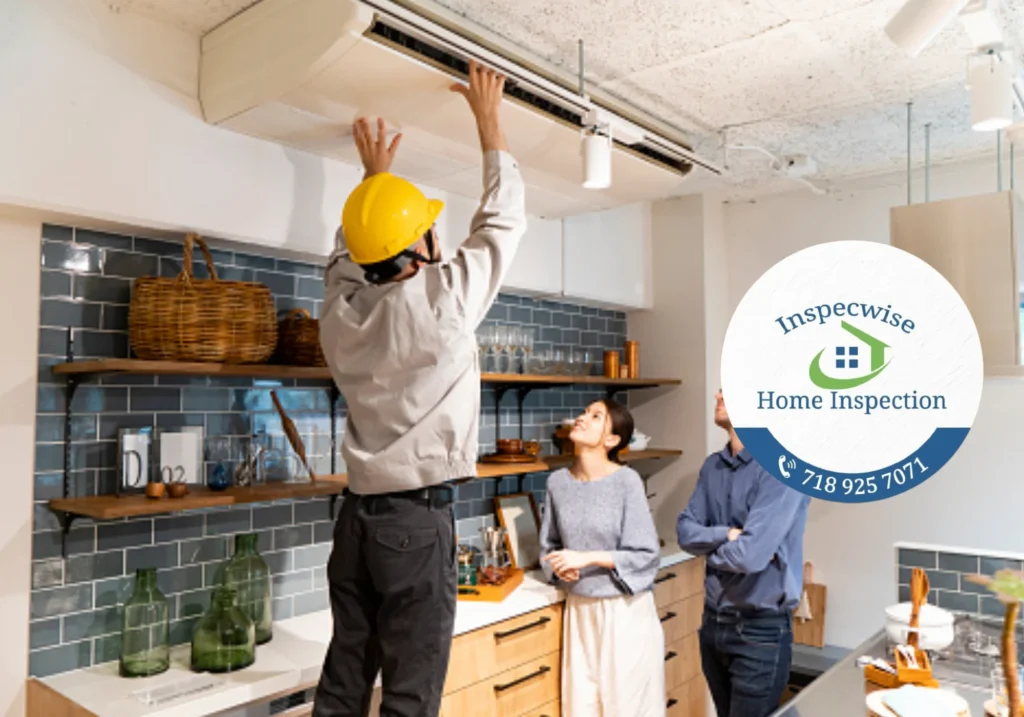
The complex climate control systems utilized across New York City are highly specialized, reflecting a fascinating, long history of evolving heating technologies spanning from massive, early-century coal-fired origins to incredibly sleek, modern high-efficiency electric heat pumps. Because the vast majority of traditional heating systems operate using combustible, highly volatile fossil fuels or high-voltage electricity, their potential to cause a severe localized fire, lethal carbon monoxide poisoning, or catastrophic wintertime water damage is a primary concern for high-level underwriters. The inspector must determine not only if the system currently functions on the day of the inspection, but whether its historical maintenance records, physical exterior condition, and internal operational metrics suggest an impending, highly expensive, and dangerous failure.
Boiler and Furnace Lifespan Analysis
The complexities of massive mechanical system assessments scale exponentially with building size and usage intent, meaning that executing a specialized commercial building inspection in the Bronx must meticulously evaluate expansive, multi-zone layouts on mixed-use retail and multi-family structures. This ensures that heavy commercial utility systems are properly supported, correctly zoned, and safely isolated, preventing localized mechanical failures from cascading into catastrophic operational shutdowns that affect multiple rent-paying tenant spaces.
- Steam Boiler Integrity: When evaluating a massive cast-iron steam boiler in a historic townhouse, the inspector must accurately gauge the remaining life expectancy of the primary heating plant. This involves critically inspecting the heavy cast-iron sections for thermal stress cracks, evaluating the operational condition of the gas burner assembly, and checking the structural integrity of the low-water cut-off valves, which prevent the boiler from dry-firing and melting down.
- Forced-Air Furnace Heat Exchangers: For gas-fired forced-air furnaces common in newer outer-borough developments, the critical component is the internal metallic heat exchanger. The inspector looks for rust, soot buildup, and hairline fractures that could easily allow lethal, invisible combustion gases to bypass the exhaust system and leak directly into the property’s breathable living space.
- Deferred Maintenance Indicators: A boiler or furnace that is heavily corroded, leaking water near its steel base, or visibly operating with severe deferred maintenance will prompt an insurance carrier to demand immediate replacement. Underwriters know that a failing heating plant in a New York winter will inevitably lead to frozen, burst interior plumbing pipes, resulting in devastating water claims that dwarf the cost of a new boiler.
Ventilation and Exhaust Clearances
Safely expelling toxic, high-temperature combustion byproducts out of the building envelope is a matter of life and death, making the rigorous visual inspection of the metallic flue pipe and the masonry chimney connections absolutely paramount.
- Proper Flue Sloping and Materials: The inspector ensures that the metallic exhaust venting is properly sloped upward to maintain drafting physics, is completely free of heavy corrosive scaling that could cause blockages, and is constructed from approved, double-wall materials that maintain strict municipal fire clearances from any surrounding combustible wood framing.
- Masonry Chimney Deterioration: In older, attached brick row houses, a heavily deteriorated masonry chimney lacking a modern, continuous stainless-steel liner poses a severe, multi-level fire risk. The absence of a liner can easily allow carbon monoxide to seep through highly porous, degrading mortar joints directly into adjacent, occupied bedrooms.
- Combustion Air Supply: High-efficiency heating equipment requires a massive volume of fresh oxygen to burn fuel cleanly. The inspection verifies that the mechanical room has adequate, unimpeded louvers or dedicated intake ducts to draw in fresh air, preventing the dangerous condition of back-drafting, where exhaust gases are sucked back into the basement due to negative building pressure.
Fuel Storage and Delivery Safety
For the thousands of properties across the boroughs that still rely on heavy No. 2 fuel oil for their primary winter heating needs, the physical condition of the interior basement or exterior underground oil storage tank is a highly critical underwriting factor.
- Tank Structural Stability: A leaking 275-gallon oil tank constitutes a catastrophic, highly regulated environmental hazard that requires specialized hazardous material remediation, often costing tens of thousands of dollars and involving the Department of Environmental Protection (DEP). The inspector carefully examines the steel tank legs for structural stability and checks the curved steel belly for weeping internal corrosion.
- Fill and Vent Pipe Compliance: The external fill and vent pipes must be thoroughly evaluated to ensure they are legally compliant, properly sized, and securely attached to the masonry exterior. A clogged or undersized vent pipe can cause the steel tank to over-pressurize and split open at the seams during high-speed, routine winter fuel deliveries.
- Modern Cooling System Assessments: While aggressive winter heating is the primary concern in the Northeast, the evaluation also covers central air conditioning compressors and the increasingly popular ductless mini-split systems. Beyond testing the operational temperature differentials, the inspector heavily scrutinizes the primary and secondary condensate drainage routing. Improperly routed AC condensation lines in sweltering, humid New York summers can silently dump gallons of water into hidden attic insulation or wall cavities, causing extensive secondary ceiling damage.
Assessing Roof Coverings and Structural Membranes
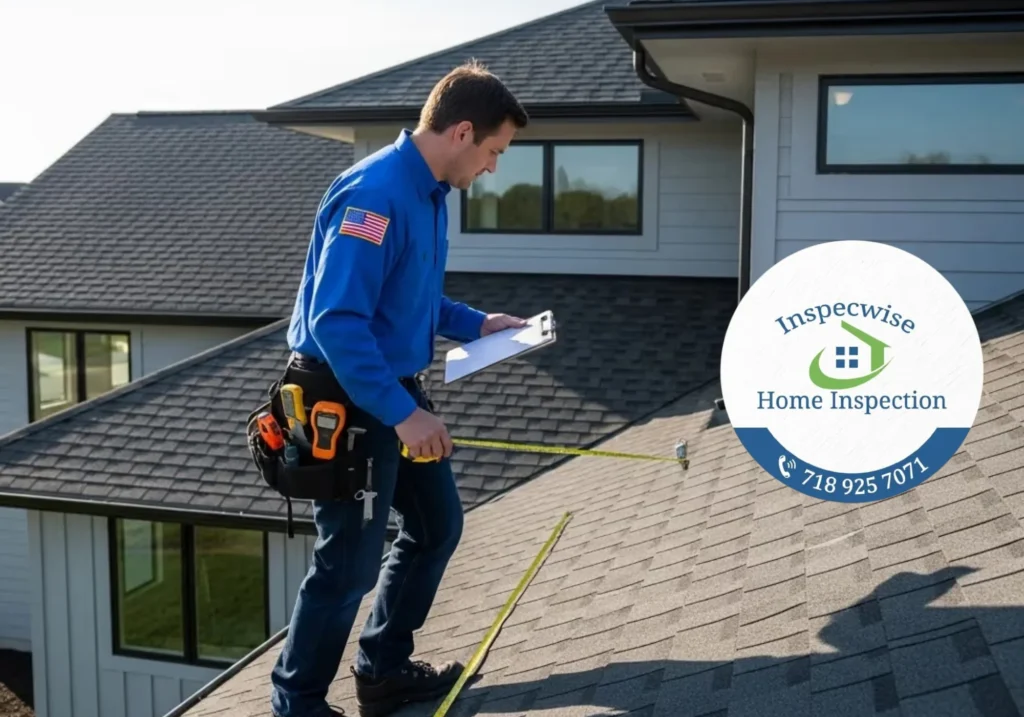
The roof is a building’s absolute first, and most important, line of defense against severe, highly unpredictable urban weather patterns, including driving coastal rainstorms, heavy localized snow loads, and intense, continuous ultraviolet degradation. From a strict underwriting perspective, a compromised, aging roof is a guaranteed precursor to massive interior devastation. Due to the incredible density and varied history of New York real estate, roof architectures vary wildly, from the traditional pitched asphalt shingle roofs of suburban Staten Island to the expansive, highly complex flat modified bitumen and EPDM rubber membranes that cap the vast majority of Brooklyn and Manhattan’s attached structures.
Membrane Degradation and Ponding
On flat urban roofs, effective water management is completely reliant on the continuous, watertight integrity of the applied roofing membrane and the subtle, engineered slope directing rainwater toward internal cast-iron drains or external scuppers.
- Identifying Alligatoring and Blistering: The inspector closely examines the surface for severe alligatoring a distinctive, reptilian cracking pattern indicating that the heavy asphalt materials have lost their essential volatile oils and are actively failing under decades of harsh UV exposure. They also look for massive raised blisters, which indicate that trapped subsurface moisture is vaporizing in the sun and physically pushing the membrane away from the underlying roof deck.
- The Threat of Water Ponding: Flat roofs are evaluated for extensive water ponding, a destructive condition where improper grading or structural sagging causes stagnant pools of water to sit for days after a storm. This drastically accelerates the chemical decay of the roofing material and significantly increases the risk of a catastrophic, localized structural collapse under the immense hydraulic weight of the trapped water.
- Multiple Roofing Layers: Insurers are highly wary of flat roofs that have been repeatedly covered over rather than properly stripped and replaced. The inspector will attempt to determine if there are multiple layers of heavy roofing material, as excessive layers trap hidden moisture, hide severe structural rot in the wood decking below, and add thousands of pounds of dangerous, uncalculated dead weight to the building’s historical framing.
Parapet Wall and Coping Stone Deterioration
Sellers who wish to completely bypass these last-minute, highly stressful underwriting hurdles often commission a proactive pre-listing inspection in Manhattan to identify and aggressively resolve high-risk mechanical and structural exterior deficiencies within their luxury co-ops and condominiums well before a prospective buyer’s insurance carrier ever demands a formal four-point evaluation. This strategic foresight preserves their vital negotiation leverage and ensures a remarkably smooth, delayed-free closing process at the final table.
- Masonry Parapet Exposure: Flat-roofed urban row houses and sprawling commercial buildings are typically bordered by masonry parapet walls that extend above the main roofline. These exposed walls take the absolute brunt of the weather on both sides and are notorious, highly vulnerable points of hidden water infiltration.
- Coping Stone Instability: The inspector carefully examines the physical condition of the mortar joints and the stability of the heavy protective terracotta or cast-concrete coping stones capping the tops of these walls. Missing or cracked coping stones allow rainwater to pour directly into the hollow cavity of the brick wall, causing massive internal degradation.
- Interior Parapet Spalling: The interior, roof-facing side of the parapet is checked for signs of severe masonry spalling, a destructive physical process which occurs when trapped moisture freezes, expands, and literally shatters the hard brick face, allowing subsequent rainwater to cascade directly behind the interior drywall of the top-floor apartments below.
Flashing Failures at Roof Penetrations
The most mathematically vulnerable points on any roof structure are the specific areas where the continuous waterproof membrane is intentionally pierced or cut to accommodate necessary building infrastructure, such as cast-iron plumbing vent stacks, large glass skylights, heavy masonry chimney structures, and elevated bulkhead access doors.
- Deteriorated Base Flashing: The inspection involves a rigorous, hands-on physical check of the metallic base flashing, pitch pockets, and heavy roofing mastic applied around these vital penetrations. If the flashing is heavily rusted, physically pulling away from the adjoining masonry, or heavily patched with temporary, amateur roofing tar, the insurance carrier will instantly recognize it as a high-probability leak zone and demand professional, permanent sheet-metal remediation.
- Internal Drainage System Blockages: Unlike standard pitched roofs that naturally and easily shed water over the overhanging eaves, flat enclosed urban roofs rely on a highly complex system of internal cast-iron roof drains, external metallic gutters, and through-wall roof scuppers to manage extreme water volume during torrential coastal downpours.
- The Danger of Clogged Scuppers: The inspector verifies that these critical, primary drainage pathways are completely clear of accumulated urban debris, deeply rooted invasive vegetation, and internal structural blockages. A severely clogged internal drain on a parapet-enclosed roof can rapidly turn the entire roof deck into a massive, unintended swimming pool, generating tens of thousands of pounds of unintended structural stress and leading to imminent, devastating interior flooding.
Navigating Insurance Compliance and Transaction Leverage
The massive volume of technical data harvested during this highly specialized inspection serves as the definitive, unarguable baseline for a property’s overall insurability. When a high-level underwriter reviews the final documentation and accompanying photographic evidence, they are strictly looking for binary outcomes: the mechanical system is either safe, compliant, and insurable, or it presents an unacceptable, high-risk liability that must be immediately rectified. There is virtually no middle ground in modern property underwriting. If the final report highlights a heavily degraded, leaking roof membrane, a hazardous, recalled legacy electrical panel, or a severely corroded, failing central heating plant, the insurance carrier will typically issue what is known as a conditional binder.
Securing Favorable Homeowners Insurance Policies
This strict conditional approval forces the prospective buyer into a high-pressure scenario: they must either secure significant, immediate seller concessions to fund the necessary repairs prior to closing, or they must legally assume the massive financial burden of replacing these major capital systems out-of-pocket within thirty to sixty days post-closing just to maintain their hazard insurance. If the buyer fails to meet these rigid timelines, the carrier will unilaterally cancel the policy, instantly triggering a default clause in the buyer’s mortgage agreement.
Utilizing the Digital Inspection Report for Negotiations
Understanding the immense gravity and legal weight of this specialized evaluation profoundly empowers buyers to utilize the highly detailed findings as a potent, irrefutable tool for transaction leverage. Because no traditional, highly regulated commercial lender will ever authorize the final release of massive mortgage funds without concrete proof of binding, long-term hazard insurance, a failed four-point report effectively, and immediately, halts the entire real estate transaction in its tracks. Buyers armed with a detailed, authoritative, and professionally drafted analysis of the four core systems can confidently and aggressively return to the negotiating table. They can demand that sellers definitively address these critical underwriting red flags via direct, professionally executed repair addendums or through substantial, mathematically justified closing cost credits. This hyper-focused, uncompromising approach to urban due diligence ensures that buyers are not merely purchasing a structurally sound physical asset, but one that is financially viable, completely legally compliant, and fully protected against the highly unpredictable, incredibly expensive realities of long-term urban property ownership.
Why Choose Inspecwise
Inspecwise stands as the undisputed premier property inspection authority in the New York City market, delivering an elite standard of technical precision tailored specifically for the complex architecture of the five boroughs and beyond. Our highly credentialed, state-licensed inspectors possess a profound, granular understanding of historical building codes, advanced structural diagnostics, and the rigid demands of modern insurance underwriting. We do not simply check boxes; we utilize cutting-edge technology, including high-resolution thermal imaging and digital moisture analysis, to expose hidden defects that standard evaluations consistently miss. From century-old Brooklyn brownstones to sprawling commercial high-rises, Inspecwise provides exhaustive, clearly annotated digital reporting with unprecedented speed, ensuring you have the exact data needed to secure insurance, command negotiation leverage, and execute your real estate transaction with absolute confidence. Choose Inspecwise to protect your investment with the highest caliber of local expertise and uncompromising technical accuracy available in New York.
Serving All 5 Boroughs and Long Island: Manhattan • Brooklyn • Queens • The Bronx • Staten Island • Nassau County • Suffolk County
Call Inspecwise now: 718-925-7071
Licensed, Certified, and 100% NYC Local