How to choose a home inspector NY homebuyers can trust requires a deep understanding of the unique architectural and regulatory environment that defines the Empire State, particularly across the five boroughs of New York City and its surrounding suburbs. Purchasing a piece of real estate here is often the largest financial commitment of your life, making the selection of an independent licensed home inspector a pivotal step in the due diligence process. The state requires professionals to maintain a valid license through the New York State Department of State (NYSDOS), which establishes the absolute baseline for competency. However, a simple license does not automatically equip an individual to handle the complex nuances of local properties, ranging from century-old brownstones with structural idiosyncrasies to modern high-rise condominiums governed by intricate homeowners association (HOA) regulations.
Navigating this selection process demands an analytical approach that goes far beyond a quick internet search or picking the cheapest option available. Property buyers must evaluate candidates based on their specific experience with localized building styles, their understanding of the New York City Residential Code, and their ability to identify hidden, high-liability defects. A truly qualified professional serves as your fiduciary advocate, translating complex physical conditions into actionable data that can save you tens of thousands of dollars during price negotiations. As you begin vetting local professionals, understanding should i get home inspection services tailored specifically to your target borough will help ensure that no costly structural or mechanical surprises await you after closing.
To make an informed decision, you must look for an expert who possesses extensive hands-on experience with the specific property class you are purchasing. A professional who spends most of their time assessing single-family suburban tract homes in Nassau County may lack the specialized toolkit required to evaluate a pre-war co-op apartment in Manhattan or a multi-family mixed-use building in Astoria. The ideal candidate will combine rigorous technical certifications with a deep, street-level familiarity with local construction methodologies, building materials, and historical settling patterns.
Verifying State Licensing and Advanced Credentials
The absolute first step in filtering your list of potential inspectors is verifying their legal standing with the state regulatory boards. New York requires all home inspectors to complete specific training hours, pass a state exam, and participate in ongoing continuing education to maintain their active licensing status. You can easily verify a candidate’s credentials using the NYSDOS License Center online lookup tool, which will confirm that their license is active, in good standing, and free of recent disciplinary actions.
Beyond the baseline state license, the elite professionals in the industry hold advanced certifications from recognized national organizations such as the International Association of Certified Home Inspectors (InterNACHI) or the American Society of Home Inspectors (ASHI). These organizations require members to adhere to a strict code of ethics and comprehensive standards of practice that often exceed the minimum state requirements. Look for designations such as Certified Master Inspector (CMI), which indicates that the professional has completed a minimum of 1,000 fee-paid inspections and has demonstrated a superior level of technical expertise over several years in the field.
Furthermore, it is vital to ensure that your inspector carries adequate errors and omissions insurance (E&O) along with general liability insurance. This coverage protects you, the client, in the rare event that the inspector misses a catastrophic, latent defect that should have been caught under standard operating guidelines, or if they accidentally cause physical damage to the seller’s property during the physical evaluation. Never hesitate to ask a candidate to provide a current certificate of insurance before booking their services.
- NYS Licensed Home Inspector Designation: This is the baseline mandatory credential issued by the Department of State, requiring 140 hours of approved education, a rigorous exam, and 40 hours of field training.
- InterNACHI Certified Master Inspector (CMI): Representing the top tier of the profession, CMIs have undergone extensive field evaluations and completed a minimum of 1,000 fee-paid residential or commercial property assessments.
- ASHI Certified Inspector Certification: This credential requires passing the National Home Inspection Examination (NHIE) and completing a verified peer review of written reports to ensure total clarity and technical execution.
- Full E&O and Liability Insurance Policy: A professional firm must carry active coverage to protect both the homebuyer and the physical asset from any accidental oversights or physical damage during the testing window.
Evaluating Localized Experience and Property Type Specialization
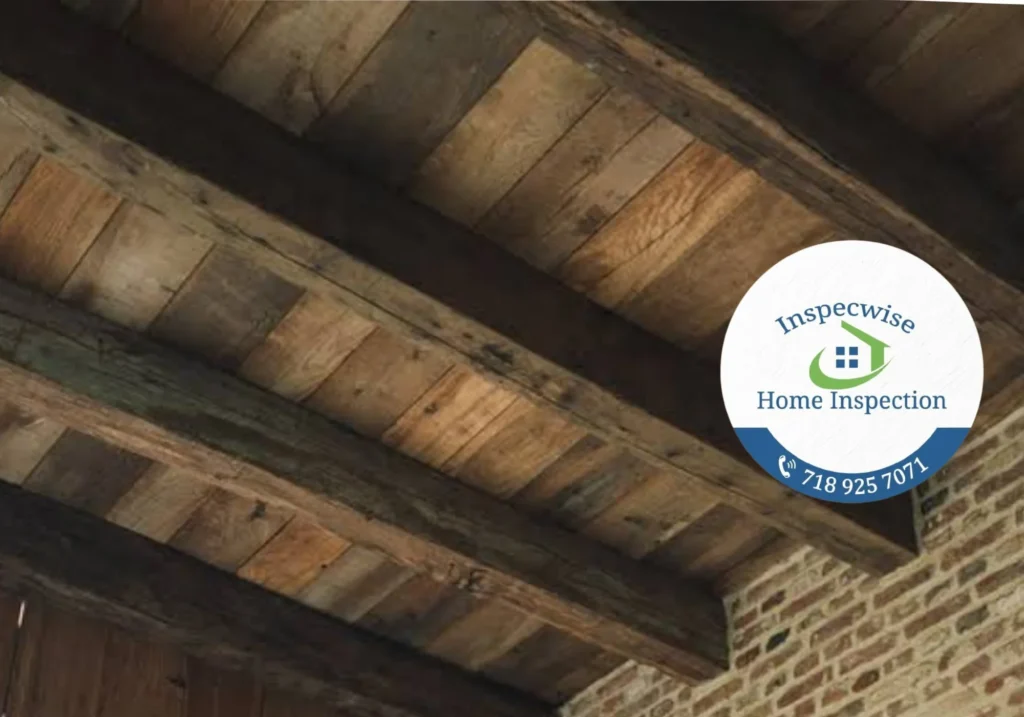
New York City and its surrounding metropolitan areas feature some of the most diverse, complex, and aging housing stock in the United States, meaning that general construction knowledge is rarely enough. An inspector must understand the historical context of the neighborhood where you are buying to know exactly where hidden defects typically manifest. For example, when evaluating a historic brownstone or a pre-war walk-up, the inspector must be adept at evaluating balloon framing, sagging pre-war wooden joists, and ancient cast-iron plumbing stacks that may be nearing the end of their functional lifespan.
If you are looking at a modern residential high-rise or a converted industrial loft, the structural and mechanical considerations shift dramatically. The professional must understand how to read the physical signs of building facade distress, common area heating and cooling loops, and complex electrical configurations. They should also possess a working knowledge of local regulatory impacts, such as how the Department of Buildings (DOB) tracks outstanding infractions, or how Local Law 11 (FISP) facade compliance filings can financially impact individual unit owners through sudden, heavy capital assessments.
When interviewing prospective inspectors, ask direct questions about their familiarity with the specific neighborhood and architectural era of the target property. A seasoned veteran will immediately speak on the localized soil conditions, common foundation settling trends in that specific zip code, and the typical renovation shortcuts encountered in those specific building types. This hyper-local insight is what separates a basic checklist inspection from an elite property evaluation.
- Pre-War Wood Joist Deflection: Centuries of settling and unpermitted plumbing modifications frequently result in notched or cut joists under bathrooms, causing significant structural floor sagging.
- Brownstone Sandstone Spalling: Water infiltration combined with local freeze-thaw cycles causes the delicate exterior sandstone face of historic townhouses to flake, crack, and pull away from underlying masonry brickwork.
- Unpermitted Basement Classifications: Many properties feature finished basements or cellar units that violate local zoning codes, lacking proper ceiling heights and secondary emergency egress routes.
- FISP / Local Law 11 Exposure: Evaluating a multi-family unit requires an inspector who reviews recent exterior facade filings to ensure you will not face sudden, multi-million dollar building repair assessments.
Analyzing Sample Reports for Clarity, Depth, and Detail
One of the most effective ways to gauge the quality of a home inspector is to request and thoroughly analyze a recent redacted sample inspection report. A premium report should be highly detailed, easy to read, and driven by high-resolution digital photography and clear explanatory annotations. Avoid inspectors who utilize outdated, generic checklist formats that feature vague, one-word descriptors like “Good” or “Fair” without providing contextual analysis.
Modern, top-tier reports leverage digital delivery platforms that allow buyers to zoom in on high-definition images, view embedded video clips of operational defects, and sort findings by severity level. The report must clearly separate minor, cosmetic maintenance items from major structural defects, immediate safety hazards, and systems that are approaching the end of their useful life expectancy. Look for clear descriptions that explain exactly what the problem is, why it matters, and what specific professional trade needs to be called in for further evaluation or repair.
Pay close attention to how the inspector documents inaccessible areas. In a dense urban environment, access to roofs, crawlspaces, or utility rooms can frequently be restricted by building management or sellers. A transparent, high-quality report will explicitly note every single zone that could not be fully inspected, explaining the exact reason for the restriction, and detailing the potential risks hidden within those unexamined spaces.
- High-Resolution Photo Documentation: Every defect should be explicitly accompanied by clear, well-lit digital photographs featuring arrows or circles highlighting the exact issue for quick trade reference.
- Defect Categorization Matrix: Findings must be broken down systematically into structural failures, material safety concerns, immediate repair needs, and general minor maintenance recommendations.
- Component Life Expectancy Estimates: Elite professionals provide contextual insight into the age and operational wear of high-value systems, noting if a furnace or roof is nearing structural replacement.
- Explicit Limitations of Access: A detailed log must state exactly which crawlspaces, roof decks, or mechanical closets were blocked or locked during the walk, protecting you from unknown blind spots.
Understanding Specialized Ancillary Testing Services
A standard home inspection is primarily a visual, non-invasive assessment of the readily accessible areas of a property, which means that many hidden environmental and systemic hazards fall outside its baseline scope. To ensure complete protection, you must choose an inspector who is licensed and equipped to perform critical ancillary testing services. In many regions of New York, particularly in areas with private wells or older municipal infrastructure, requesting a comprehensive water quality analysis is vital to detect lead, radon, volatile organic compounds, and microbial contaminants.
- Wood-Destroying Insect (WDI) Infestations: Termites, carpenter ants, and powderpost beetles cause massive structural damage behind finished walls, requiring a certified professional to detect subtle exit holes, mud tubes, and frass.
- Thermal Imaging Assessments: Infrared cameras detect hidden moisture plumes behind drywall, missing insulation voids, and overloaded electrical circuits before they cause mold growth or electrical fires.
- Mold and Air Quality Sampling: Spore trap air samples and surface swabs identify toxic indoor mold strains that stem from hidden pipe leaks or poor basement moisture management.
- Underground Sewer Scope Inspections: Inserting a fiber-optic camera into the main waste line reveals structural collapses, root intrusions, and bellies in the pipe that connect the property to the municipal sewer system.
When scheduling your property evaluation, it is highly beneficial to inquire about the local Radon Test Cost NY providers charge, as radon gas is a prevalent, invisible health hazard found in many basements across the region. Ensuring your chosen specialist can deploy continuous radon monitors during the inspection window saves you from having to hire a separate environmental testing firm later on.
- Active Sewer Scope Camera Inspections: Running a specialized lateral camera down the waste line down to the main municipal street tap reveals hidden root blockages, cracked orangeburg pipes, and costly line bellies.
- Infrared Thermography Scans: Utilizing calibrated thermal imaging cameras allows your technician to trace cold-air drafts, water staining behind plaster, and hidden hot spots inside main electrical panels.
- Airborne Mold Spore Traps: Collecting ambient air samples from inside the living spaces and comparing them to outdoor baselines confirms if hidden toxic mold strains exist behind freshly painted drywall.
- Comprehensive Well Water Analyses: Testing private well systems for volatile organic compounds, heavy lead presence, coliform bacteria, and nitrate runoff protects your household health from day one.
Interviewing Candidates with Targeted, Direct Questions
Before signing an inspection agreement, you should conduct a brief phone interview with your top candidates to assess their communication style, professionalism, and industry knowledge. This conversation allows you to determine whether the inspector views their role as an objective educator or a rushed technician looking to flip a quick report. A premium inspector will welcome your questions and take the time to explain their processes clearly.
Ask the candidate exactly how long they expect the physical evaluation to take. A thorough inspection of an average-sized residential property should take anywhere from two to four hours depending on its age and complexity; anything less than two hours for a full house is a major red flag indicating a rushed job. Inquire whether you are permitted and encouraged to attend the inspection in person, as walking alongside the expert is an invaluable educational experience that no written report can fully replicate.
- “How many properties of this exact architectural style and age have you inspected in this specific borough over the past twelve months?” This helps establish whether their core competency matches the explicit requirements of your physical asset.
- “Will you personally be conducting the physical inspection and writing the final report, or do you delegate work to junior associates?” Make sure the experienced professional you interview is the actual individual assessing your property.
- “What specific tools, such as moisture meters, combustible gas detectors, and specialized drones, do you include in your standard evaluation toolkit?” Modern diagnostic tools prevent guess-work and uncover hidden failures behind drywall.
- “What is your definitive turnaround time for delivering the completed, interactive digital report after the physical site walk concludes?” Fast, accurate reporting keeps you on track within tight real estate legal deadlines.
- “Do you encourage your clients to shadow you during the inspection process, and will you explain your discoveries live on site?” An elite inspector acts as an educator, walking you through proper system maintenance and emergency shutoff protocols.
- “Can you provide a list of local references, including past real estate clients and independent attorneys, who can speak directly to your reporting precision?” Vetting an inspector’s reputation across past clients ensures long-term accountability and professionalism.
Red Flags to Avoid When Selecting a Property Inspector
As you navigate the process of hiring a property inspector, there are several critical warning signs that should prompt you to walk away immediately. One of the most significant conflicts of interest occurs when an inspector is aggressively pushed by a real estate agent who seems more invested in closing the transaction than protecting your financial interests. While agent recommendations can be valuable, always verify that the recommended inspector is fully independent and possesses a proven track record of unbiased, rigorous reporting.
Avoid any professional who offers to repair the defects they uncover during the inspection. This practice is a direct violation of state regulations and industry codes of ethics, as it creates an obvious incentive for the inspector to exaggerate minor issues to secure lucrative repair contracts. A reputable inspector functions strictly as a third-party diagnostic specialist, never as a contractor looking for remodeling work.
- Extreme Discount Pricing: High-quality, comprehensive inspections require extensive time, elite equipment, and continuous training, meaning ultra-low quotes often result in a rushed, superficial assessment.
- Refusal to Allow Client Attendance: Inspectors who discourage buyers from attending the site walk often want to avoid answering detailed questions or explaining complex findings in real time.
- Absence of a Written Pre-Inspection Agreement: A professional must provide a clear, transparent contract detailing the exact scope, limitations, and terms of the inspection before stepping foot on the property.
- Vague or Overly Broad Disclaimers: While all reports have natural limitations, an inspector who uses excessive language to disclaim responsibility for basic visible systems is not providing genuine value.
- Agent-Driven Coercion Tactics: If an inspector relies entirely on a single real estate office for their leads, they may hesitate to report major defects out of fear of stalling the sale.
- Contracting Dual Services: Offering to both inspect a property and repair the same discovered structural issues is an illegal conflict of interest that invalidates objectiveness.
- Rushed Site Performance Overviews: Any professional promising a lightning-fast one-hour walk-through across an entire multi-family asset is overlooking critical latent system failures.
- Outdated Physical Paper Checklists: Hand-written, ambiguous carbon-copy forms fail to provide the high-definition detail, visual context, and legal defensibility that modern electronic property transactions demand.
The Role of the Inspection in the Local Real Estate Market
The real estate market in New York moves at a blistering pace, with unique legal frameworks that heavily influence how property defects are handled. Unlike states where buyers sign binding purchase contracts before conducting inspections, local buyers typically complete their home inspection during the brief window between offer acceptance and the formal signing of the purchase and sale agreement. This means time is of the essence, and your inspector must be highly responsive, punctual, and capable of turning around an elite report within 24 hours.
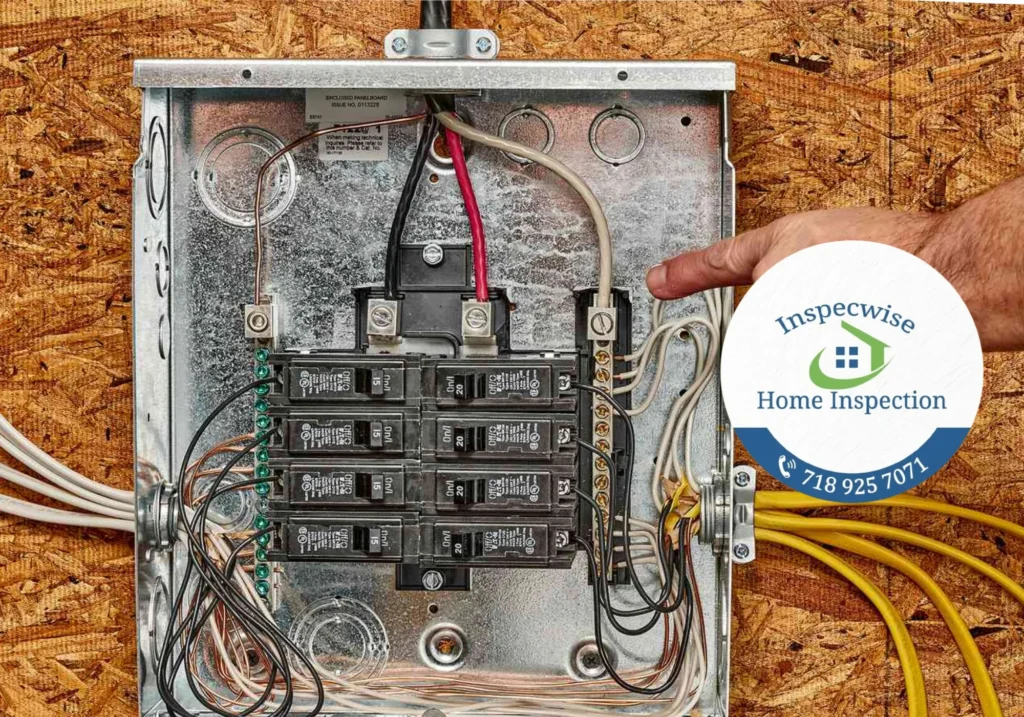
The findings within the report serve as your primary leverage point for requesting seller concessions, price reductions, or structural repairs before the contract is finalized. If the inspector uncovers a failing roof, an outdated 100-amp electrical panel filled with hazardous split-bus breakers, or an active boiler leak, your real estate attorney can use this definitive proof to renegotiate the purchase price or require the seller to escrow funds for remediation. Having a highly technical, legally defensible report ensures that your demands are backed by undeniable empirical evidence.
- Pre-Contract Negotiation Leverage: Uncovering major system age or functional issues before formal contract signatures allows your team to secure real, immediate financial concessions.
- Fiduciary Buyer Protection: Your independent technical specialist stands as the singular party explicitly hired to uncover expensive physical liabilities without transaction bias.
- Accurate Capital Expenditure Forecasting: Detailed reports outline exactly which mechanical systems require replacement within the coming three to five years, protecting your cash reserves.
- Legally Defensible Engineering Evidence: Providing specialized, photographic evidence of code or safety violations ensures that seller concessions are evaluated on hard, undisputed data.
Why Choose Inspecwise
Inspecwise stands as the premier authority in high-end residential and commercial property inspections across the entire New York metropolitan area. Our team of elite, state-licensed specialists brings unparalleled technical accuracy and hyper-localized expertise to every assignment, navigating everything from complex urban building codes to the subtle structural nuances of historic properties with absolute precision. We reject generic checklists and rushed site walks, delivering meticulously detailed, deeply researched digital reports that combine advanced thermal imaging diagnostics with clear, actionable insights. By choosing Inspecwise, you are securing a fierce fiduciary advocate armed with the deep localized knowledge and sophisticated diagnostic tools required to protect your capital, minimize your real estate risk, and empower your investment decisions with total clarity.
Serving All 5 Boroughs and Long Island: Manhattan • Brooklyn • Queens • The Bronx • Staten Island • Nassau County • Suffolk County
Call Inspecwise now: 718-925-7071
Licensed, Certified, and 100% NYC Local