11 Month Warranty Inspection NY services provide new property owners with a critical defense mechanism against costly construction defects before their structural or cosmetic developer protections expire. Under New York General Business Law Section 777-a, newly constructed residential buildings of five stories or fewer carry a statutory Housing Merchant Implied Warranty, which guarantees that the home will be free from defects due to a failure to have been constructed in a skillful manner for exactly one year after the warranty date. For high-rise luxury developments and townhouses across the five boroughs, this twelve-month threshold marks the boundary between the builder’s financial liability and the owner’s out-of-pocket expenses. Engaging a licensed professional to execute a comprehensive building evaluation at the eleven-month mark ensures that hidden structural settlement, mechanical systemic failures, and poor contractor workmanship are documented with engineering precision before your statutory rights lapse.
New construction assets within the unique architectural environment of New York City undergo intense environmental and structural stress during their first four seasons of occupancy. The radical thermal fluctuations from freezing winters to humid summers cause newly poured concrete foundations, structural steel assemblies, and engineered framing members to expand, contract, and settle. In high-density urban zones, this natural structural settling is heavily compounded by the continuous vibrations originating from the Metropolitan Transportation Authority subterranean subway lines and heavy commercial traffic along adjacent thoroughfares. Defects that were completely invisible during the initial pre-closing walkthrough, such as latent micro-cracks in the foundation, improper flashing installations, or slow plumbing leaks concealed within finished drywall partitions, will manifest visibly after several months of continuous building occupancy.
Maximizing Your New Construction Warranty Protections
A proactive evaluation allows property owners to submit an exhaustive, itemized punch list backed by forensic data directly to the developer’s risk management or legal team. Builders frequently attempt to delay remediation efforts until the twelfth month has concluded, operating under the assumption that an undocumented claim will simply expire with the passage of time. New York statutory frameworks dictate that formal written notice of any warranty claim must be received by the builder no later than thirty days after the expiration of the applicable warranty period, meaning an accurate, third-party report executed at month eleven creates an unassailable paper trail that holds the general contractor legally accountable.
Property owners must recognize that newly constructed buildings are highly complex, interdependent networks of engineered systems where a minor structural anomaly can easily trigger an expensive domino effect. For example, slight variations in soil compaction beneath a new slab in coastal Brooklyn can cause differential settlement, warping structural door frames, cracking interior gypsum board, and stressing hidden waste lines. By utilizing advanced diagnostic tools like non-invasive moisture meters and high-resolution thermal imaging cameras, certified inspectors can pinpoint these anomalies long before they escalate into catastrophic structural issues.
Property owners planning comprehensive asset protection must also evaluate safety hazards that can quietly develop within both new and historic properties. A critical component of maintaining indoor air quality involves understanding what is a safe radon level, as this naturally occurring radioactive gas can seep through foundation micro-cracks in various regions of New York. Ensuring your property maintains radon concentrations well below the Environmental Protection Agency action threshold of 4.0 pCi/L is a fundamental aspect of comprehensive environmental safety, regardless of the building’s construction date.
Advanced Structural and Building Envelope Metrics
- Exterior building envelopes in New York City are subjected to severe wind-driven rain and extreme freeze-thaw cycles that rigorously test the integrity of caulking, expansion joints, and liquid-applied weather barriers. An inspection thoroughly scrutinizes the exterior facade, looking for early signs of brick masonry efflorescence, which indicates that water is bypassing the coping stones or lintel flashings and leaching soluble salts out of the mortar beds.
- High-rise residential towers and modern townhomes utilizing exterior insulation and finish systems must be carefully checked for micro-fissures around window perimeters, as localized water infiltration will quickly rot structural wooden sheathing or oxidize light-gauge steel stud tracking hidden behind the exterior finish.
- Roof assemblies on new New York City builds require meticulous physical assessment because hasty sub-contractor installations regularly result in improper mechanical fastening of modified bitumen membranes, inadequate sealing of parapet wall termination bars, and poor pitch-to-drain geometries that cause premature ponding water.
- Parapet walls and coping stones are highly susceptible to wind shear and thermal movement; inspectors look for displaced masonry units, cracked mortar joints, and failed elastic sealants that could eventually lead to Department of Buildings hazardous facade violations or structural instability.
- Window systems, particularly in large multi-family structures, are evaluated for proper perimeter sealing and mechanical operation, as window frames that are out of square due to structural headers dropping will exhibit failed balances, torn weatherstripping, and substantial air infiltration during high-velocity wind events.
Mechanical, Electrical, and Plumbing System Diagnostics
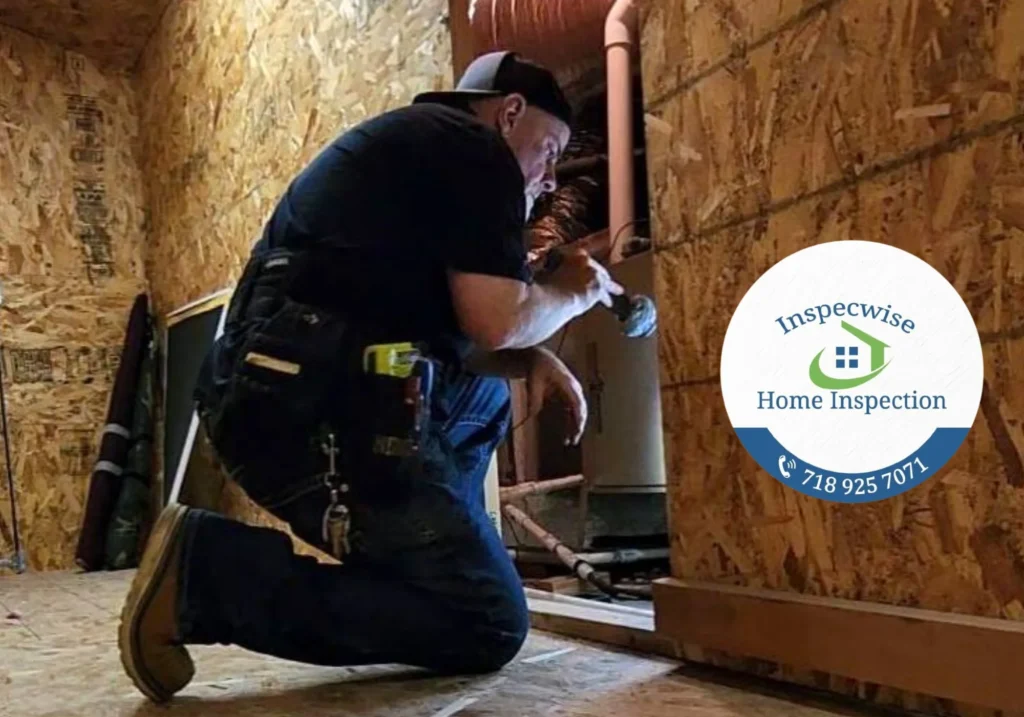
The mechanical infrastructure of a newly constructed New York City property is under continuous load from day one, frequently revealing design oversights or installation shortcuts that a standard pre-closing home inspection cannot detect. Variable Refrigerant Flow HVAC systems, which are increasingly common in modern high-density residential designs, require specialized digital pressure testing and thermal diagnostics to ensure that refrigerant line joints are completely sound and that localized balancing valves are delivering uniform airflow across all zones. Improperly insulated refrigerant lines routed through interior drops will generate hidden interstitial condensation, creating an ideal environment for toxic mold growth inside expensive ceiling finishes.
Electrical systems in new builds are governed by the stringent NYC Electrical Code, which mandates the installation of Arc-Fault Circuit Interrupters to protect bedroom and living areas from electrical fires. Inspectors frequently find that rushed electrical sub-contractors cross neutral wires or use subpar grounding bonds in multi-gang junction boxes, resulting in chronic nuisance tripping or hidden micro-arcing that poses a severe fire hazard behind finished walls. Furthermore, plumbing systems must be stressed by running multiple fixtures simultaneously to check for localized pressure drops and to verify that the drain, waste, and vent piping is venting properly without siphoning trap seals, which would allow dangerous sewer gases to migrate into the living spaces.
Property investors acquiring or managing mixed-use assets must remain vigilant regarding hidden environmental hazards that older adjacent structures or historic site uses might introduce to a property portfolio. For those managing older portfolios or undergoing structural renovations nearby, securing a comprehensive asbestos inspection New York is an absolute legal and safety prerequisite under local environmental protection guidelines. Identifying asbestos-containing materials within pipe insulation, historic floor tiles, or textured coatings is vital for avoiding massive regulatory fines from the Department of Environmental Protection during any tenant build-out or structural modification.
Localized NYC Infrastructure and Code Realities
Navigating the complex regulatory landscape of New York City requires an intimate understanding of the municipal codes enforced by the Department of Buildings. New properties must strictly comply with the New York City Energy Conservation Code, which dictates specific insulation R-values, window U-factors, and building envelope air tightness metrics. Our field inspectors verify that the contractor actually installed the specified continuous exterior insulation and that fire-stopping assemblies within multi-family utility shafts are completely intact, ensuring the building satisfies both energy mandates and life-safety firewall configurations.
For larger residential and commercial structures falling under the purview of FISP requirements, early detection of facade distress during the initial twelve-month occupancy window can save owners hundreds of thousands of dollars in future scaffolding and structural engineering remediation fees. We carefully examine the connection points between cantilevered concrete balconies and the main building structure, looking for structural deflection or micro-cracking that points to improper reinforcing steel placement before the concrete pour. Additionally, our teams verify that sub-slab drainage systems, sump pump configurations, and backflow preventers comply with the latest municipal flood resilience mandates, safeguarding your basement finishes from heavy stormwater backups.
Corporate real estate managers expanding their footprint into outer boroughs face distinct local construction challenges and varying geological conditions that impact foundational stability. When handling industrial or retail assets outside of core urban centers, securing a dedicated commercial inspection Queens provides the deep regional oversight necessary to evaluate local structural challenges, including shallow water tables and complex zoning codes. Professional commercial assessments look past superficial aesthetic finishes to ensure that major structural elements, loading docks, and heavy-duty mechanical infrastructures comply with local commercial building standards.
Specialized Interior and Sub-Floor Inspections
- Flooring systems in modern New York City luxury apartments, including engineered hardwood and large-format porcelain tile, require careful moisture profiling because rushing the concrete slab curing process often traps excessive water beneath the finished flooring. This trapped vapor eventually causes premium hardwood planks to cup, crown, or delaminate, and leads to extensive grout line cracking and tile debonding under standard foot traffic.
- Interior partitions and gypsum board systems are examined under high-intensity raking light to identify structural drywall nail pops, poor tape joint tape telegraphing, and structural cracks radiating from the corners of door openings, which indicate uneven structural header settling or sub-floor framing deflection.
- Interior door frames and window casings are systematically checked with precision spirit levels to ensure they remain perfectly plumb, true, and square; any binding or failure of automatic self-closing hinges in multi-family units violates local fire codes and points to structural shifting.
- Cabinetry, stone countertops, and built-in architectural millwork are evaluated for solid structural anchoring and level placement, ensuring that heavy quartz or marble countertops are not putting undue, uncompensated stress on the underlying kitchen island framing.
- Mechanical ventilation systems in kitchens, bathrooms, and laundry suites are tested using localized digital anemometers to confirm that exhaust fans are meeting the cubic feet per minute airflow discharge metrics required by the municipal mechanical code.
Maximizing Asset Value and Mitigating Developer Liability
The financial implications of ignoring an eleven-month warranty milestone can be devastating for single-family homeowners and multi-family asset managers alike. Once the twelve-month statutory clock expires, the legal burden of proof shifts entirely to the property owner, making it exceptionally difficult and prohibitively expensive to compel a developer to return to the site for remediation work. By compiling a highly precise, non-adversarial engineering report at month eleven, you present the developer with clear, objective facts that their risk management personnel can easily validate, significantly accelerating the repair timeline without necessitating protracted litigation.
Investment syndicates and institutional buyers purchasing massive commercial square footage across the metropolitan region must implement these quality control protocols across their entire acquisition pipeline. If you are managing large institutional real estate holdings in prime business districts, obtaining a rigorous commercial inspection Manhattan is an indispensable operational step for identifying latent curtain wall defects, elevator mechanical issues, and massive HVAC energy inefficiencies before final contract closeout. These comprehensive commercial reviews protect millions of dollars in capital allocation by ensuring that sophisticated building management systems and central plant infrastructures are delivered in pristine, fully optimized operating condition.
Why Choose Inspecwise
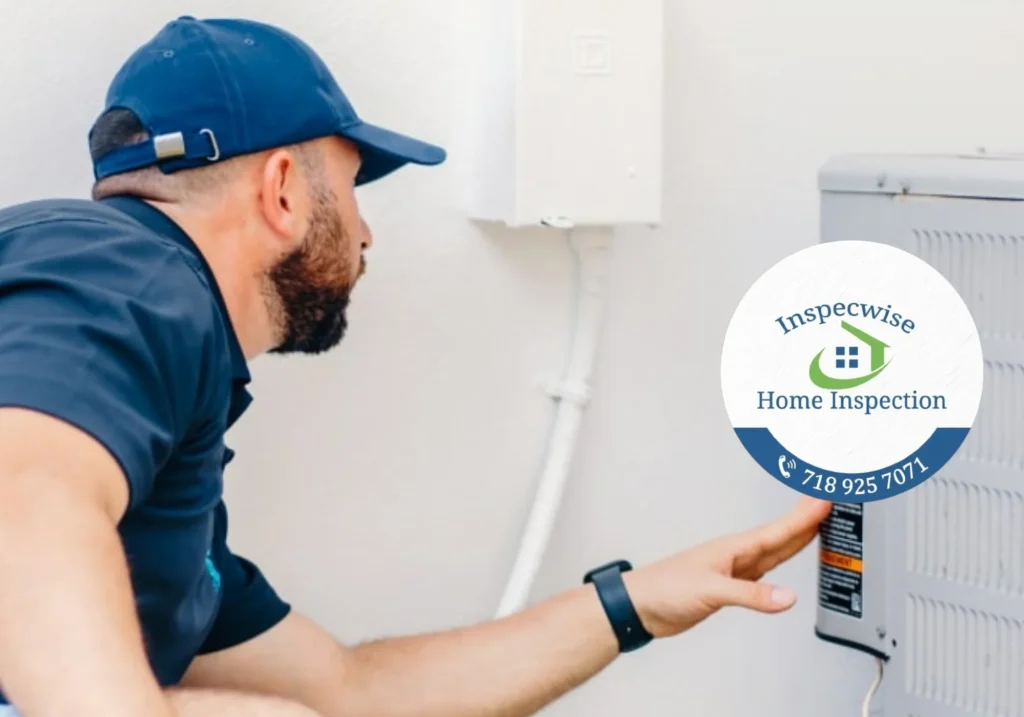
Inspecwise stands as the premier property inspection authority across New York City, delivering unparalleled technical accuracy, forensic engineering diagnostics, and elite, court-ready digital reporting for both high-end residential and commercial real estate assets. Our team of veteran, multi-disciplined inspectors possesses an intimate, granular knowledge of the unique structural challenges, micro-local geological variations, and complex Department of Buildings regulatory codes that define the five boroughs. By combining cutting-edge diagnostic technologies such as high-resolution thermal imaging, digital moisture mapping, and advanced aerial drone facade analysis with a rigorous, detail-oriented methodology, we identify hidden structural anomalies and systemic installation defects long before they escalate into catastrophic liabilities. Choosing our elite team means safeguarding your real estate investments with an unassailable paper trail of professional documentation, providing the ironclad leverage required to hold developers fully accountable and ensuring your property operates at peak efficiency, structural safety, and maximum asset value for decades to come.
Serving All 5 Boroughs and Long Island: Manhattan • Brooklyn • Queens • The Bronx • Staten Island • Nassau County • Suffolk County
Call Inspecwise now: 718-925-7071
Licensed, Certified, and 100% NYC Local