Home foundation inspection services serve as the essential starting point for protecting your property investment and ensuring the physical safety of everyone inside the building. In New York City, the ground under your feet changes drastically depending on which neighborhood or borough you are in. You might find yourself dealing with solid bedrock in Manhattan, loose sand and high water tables in Queens, or thick, heavy clay in Staten Island. Because the dirt shifts and moves naturally with the seasons, houses experience a constant state of subsurface stress. On top of that, constant shaking from nearby subway lines, heavy commercial traffic, and new construction projects next door can cause building bases to crack, shift, or sink over time. A professional checkup looks for these hidden problems before they turn into major structural failures that cost a fortune to repair.
Different types of NYC homes face completely different kinds of structural trouble based on when and how they were built. Old brick row houses and historic brownstones often sit on older bases made of stacked fieldstone, rubble, and old lime-based mortar. Over many decades, this old mortar naturally decays and washes away, causing the individual stones to shift out of place and weaken the entire wall. Newer homes built with concrete masonry unit blocks or poured concrete face entirely different issues, such as lateral pressure from wet dirt pushing hard against the basement walls from the outside. Knowing how your specific type of home was built helps a specialized inspector know exactly where to look to find and fix problems early.
It is also important to remember that water damage, poor indoor air quality, and structural issues are almost always connected. When water leaks through a cracked basement base, it creates a permanently damp, humid environment where dangerous organic growths can thrive. Homeowners should always consider getting a Home Mold Inspection along with their structural check to ensure their living space remains safe. Catching these overlapping issues early stops small leaks from turning into massive, expensive cleanup projects that can ruin your indoor air quality, rot your wooden floor joists, and lower your property value. Regular checkups protect your health just as much as they protect the physical building.
Common Signs of Foundation Trouble
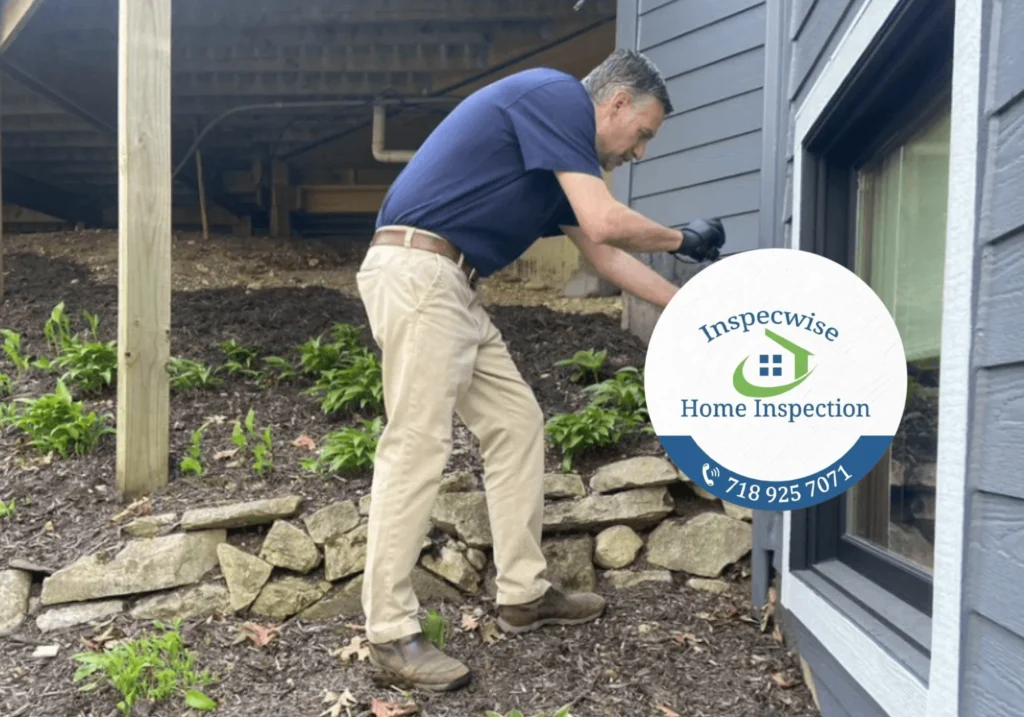
A proper inspection uses special diagnostic tools like digital levels, wall cameras, and moisture meters to check the health of your basement. Inspectors use this data to see if your home is just settling naturally or if it has serious structural damage that requires immediate attention.
Concrete and brick walls crack in very specific ways when they are under too much stress from the surrounding earth:
- Vertical Cracks: These straight up-and-down lines are very common in poured concrete walls and usually happen when the material shrinks as it dries out during initial construction, though they must be watched to ensure they do not widen over time.
- Horizontal Cracks: These side-to-side lines in a basement wall mean that wet dirt outside is pushing too hard against the building, which forces the wall to bow inward and threatens a sudden collapse if left unchecked.
- Stair-Step Cracks: These zigzag lines follow the mortar joints in brick or block walls and are a clear sign of differential settlement, meaning one corner of the house is sinking faster than the rest of the structure.
- Hairline Cracks: These tiny, spiderweb-like cracks on a concrete floor are usually superficial and caused by minor settling, but they still need to be sealed to keep out moisture, dampness, and underground radon gases.
- Bulging Walls: When a foundation wall looks curved or pushed inward, it means the structural integrity has been severely compromised by the heavy weight of the soil outside.
- Leaning Chimneys: If your exterior brick chimney begins to pull away from the main siding of the house, it usually indicates that the concrete footing beneath the chimney is failing and sinking into the ground.
Local Building Rules and Nearby Risks
Every building project, structural repair, and major renovation in the city must follow the rules set by the New York City Department of Buildings (DOB). If a house needs major structural repairs, deep underpinning, or needs to be jacked up to fix a slope, the city requires special inspections by licensed structural engineers. Following these rules prevents expensive building violations, court orders, fines, and sudden stop-work commands that can ruin your budget and your project timeline.
Living close to neighbors in a dense city environment creates extra risks for your building’s base that suburban homeowners do not have to worry about. When a nearby property digs a deep basement, installs shoring, or knocks down an old structure, the ground under your own home can shift or lose its lateral support. This shifting can cause immediate cracking in older, shared party walls and cause floors to slope. Getting an independent inspection before your neighbors start digging gives you a clear record of your home’s original condition in case their heavy machinery causes structural damage.
You also need to make sure your primary utility lines are completely safe from ground movement. When a building settles or shifts even a few inches, it puts a lot of physical tension on the pipes and wires entering the property. Combining your structural check with a Home Electrical Inspection ensures that shifting walls haven’t pinched your main power lines, cracked underground electrical conduits, or exposed important electrical grounds to wet basement floors. Keeping your utilities safe protects your home from sudden fires, power surges, and dangerous short circuits caused by shifting concrete.
Water Damage and Soil Problems
Water is the absolute number one enemy of a solid building base. Hydrostatic pressure happens when heavy rain, poor street drainage, or a naturally high water table causes water to pool tightly against your underground walls. This trapped water pushes with immense force against the concrete, forcing its way through tiny pores, gaps, and cracks over time. This constant pressure bows walls inward, cracks solid barriers, and fills basements with standing water during heavy New York storms.
Bad exterior drainage can also wash away the vital soil directly beneath a home’s concrete footings. When roof gutters break, clog with debris, or downspouts dump water right next to the house, the rushing water carries away the fine sand and dirt under the building. With the dirt gone, empty holes and hidden caverns form underground. The heavy house is then forced to hang over an empty space, which causes the concrete footing to crack, snap, and sink because it lacks uniform support.
To fix these water issues completely, you have to look at all the pipes in and around your home. Broken sewer lines, old clay pipes, or leaking fresh water pipes under your concrete floors can wash away soil from the inside out without you ever seeing it on the surface. Getting a Home Plumbing Inspection helps find hidden pipe leaks that might be actively weakening the dirt beneath your concrete slab, allowing you to fix the root cause of the movement before you waste money repairing the concrete surface.
Ways to Fix a Damaged Foundation
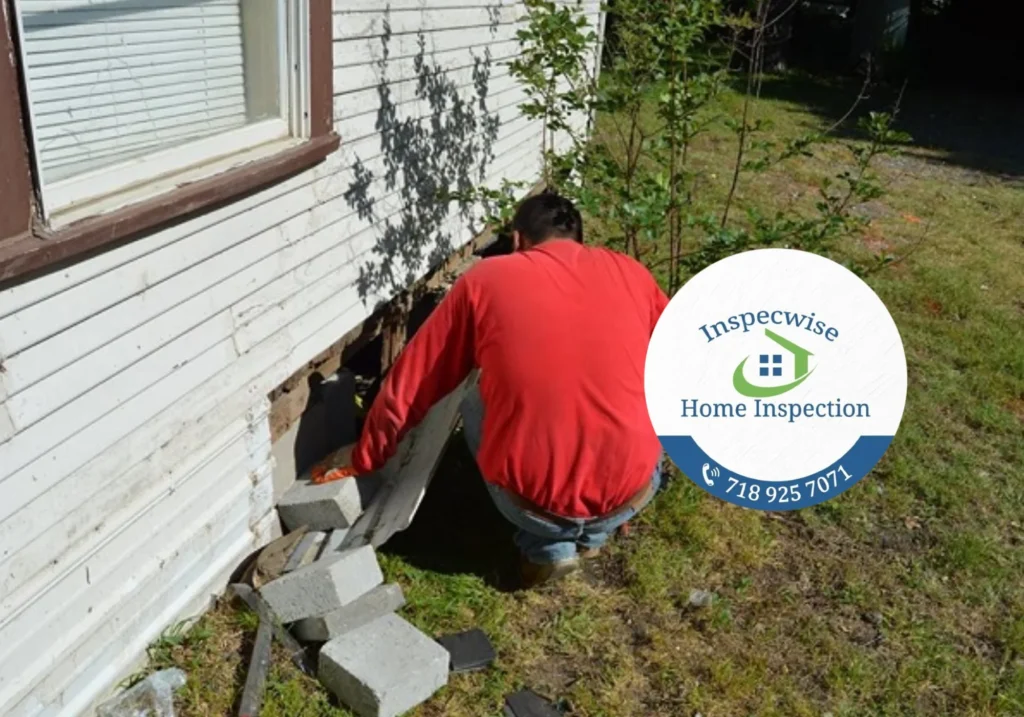
When an inspection reveals serious shifting or structural failure, engineers use specialized construction methods to make the building safe again. Underpinning is a permanent fix where workers dig beneath the sinking house and push strong steel piers deep into the earth until they hit solid bedrock or dense load-bearing soil. These piers act like heavy-duty stilts, safely carrying the weight of the house and lifting it back to its proper level so the home stops sinking.
For walls that are bowing inward from heavy exterior dirt pressure, workers use carbon fiber straps or heavy-duty wall anchors. Carbon fiber straps are incredibly strong and are glued directly to the inside of the basement wall with strong epoxy, stopping any further inward movement without taking up valuable basement space. For worse bows, long steel tieback rods are drilled straight through the wall into the stable earth outside to pull and hold the wall straight against the dirt pressure.
Finally, workers must seal out water and fill any empty spaces in the soil to prevent future dropping and settling. This includes putting thick waterproof coatings, rubber membranes, and plastic drain boards on the outside of the foundation walls. Technicians can also inject high-density foam resins into the empty spaces underneath a sunken concrete floor. This foam expands rapidly, packing the loose dirt tight, sealing out moisture, and lifting the heavy concrete floor back into its original position.
Why Choose Inspecwise
Inspecwise is the top choice for property inspections across New York City because we understand local buildings, local history, and local geology better than anyone else. Our expert inspectors know exactly how to spot trouble in historic brownstones, modern apartments, and coastal homes across all five boroughs. We use advanced diagnostic tools to give you clear, easy-to-read reports that explain exactly what is wrong and how to fix it. When you choose Inspecwise, you get the honest facts, deep local expertise, and expert guidance you need to keep your home safe, strong, and stable for years to come.
Serving All 5 Boroughs and Long Island: Manhattan • Brooklyn • Queens • The Bronx • Staten Island • Nassau County • Suffolk County
Call Inspecwise now: 718-925-7071
Licensed, Certified, and 100% NYC Local