Pre listing inspection suffolk services represent the single most powerful tool a property owner can utilize before placing a residential or commercial asset on the highly competitive New York real estate market. In the diverse landscape of Suffolk County, which stretches from the dense suburban blocks of Babylon and Huntington to the sprawling, high-end estates of the Hamptons and the agricultural tracts of the North Fork, properties are subjected to intense environmental and structural demands. By commissioning a comprehensive evaluation before listing, sellers can effectively shift the dynamics of a transaction, transforming potential liabilities into transparent selling points. This proactive approach uncovers latent structural deficiencies, aging mechanical systems, and localized environmental hazards well before a buyer’s inspector sets foot on the premises, ensuring that the transaction proceeds smoothly toward closing without unexpected renegotiations or collapsed deals.
- Pre listing inspection suffolk assessments eliminate the element of surprise by providing property owners with an exhaustive, baseline understanding of their asset’s current physical condition before entering public negotiations.
- Initiating a seller inspection allows listing agents to price the property with absolute accuracy, factoring in the exact state of structural components and mechanical systems to justify a premium asking price.
- Providing an independent, certified report to prospective buyers fosters immediate trust, drastically reducing transaction timelines and minimizing the likelihood of a buyer backing out due to unexpected inspection findings.
- Sellers gain the invaluable luxury of time, allowing them to solicit multiple competitive bids from licensed local contractors for necessary repairs rather than being forced to accept inflated credit demands during rushed contract negotiations.
Environmental Context and Long Island Architecture
Navigating the real estate environment in Suffolk County requires a deep appreciation for the region’s unique architectural heritage and varied coastal climate. Properties here range from mid-century ranch homes and historic colonial structures to modern beachfront masterpieces, each presenting a distinct profile of potential structural and mechanical vulnerabilities. A robust home inspection suffolk evaluation must carefully consider these localized factors, particularly since Suffolk’s high water tables, coastal wind zones, and varied municipal building codes directly influence property longevity. For instance, homes in areas like Brookhaven or Islip frequently encounter issues relating to aging residential infrastructure, subterranean water intrusion, and outdated utility hookups. Addressing these specific regional concerns within an independent, pre-sale framework allows sellers to present an unassailable asset to the market, fully prepared for scrutiny by discerning buyers.
Structural Integrity and Foundation Diagnostics
The structural integrity of a Suffolk property is heavily influenced by its geological positioning and proximity to the Atlantic Ocean or the Long Island Sound. Coastal properties face chronic exposure to salt-laden air, elevated humidity levels, and severe weather patterns, which accelerate the degradation of exterior building envelopes, framing members, and roofing materials. A meticulous property inspection must prioritize the evaluation of foundation stability, particularly in areas prone to shifting sandy soils or high hydrostatic pressure. Furthermore, older wood-framed structures throughout the county require comprehensive screening for wood-destroying insects, such as termites and carpenter ants, which can quietly compromise structural headers, sills, and floor joists if left unchecked over extended periods.
- Foundation walls constructed of concrete blocks or poured concrete must be meticulously examined for structural displacement, horizontal shearing, or step-cracking, which indicate significant lateral soil pressure or localized settling.
- Exterior structural elements, including multi-tier decks, retaining walls, and balconies, require careful evaluation of their structural attachments, fastening hardware, and load-bearing footings to prevent catastrophic structural failure.
- Crawlspaces and basements demand intense scrutiny for evidence of moisture intrusion, efflorescence, and wood rot, which frequently stem from inadequate perimeter drainage or poor grading configurations.
- Roof framing systems, including rafters, collar ties, and ridge boards, must be assessed for deflection, water staining from historic or active leaks, and improper modifications that compromise load-bearing capacities.
Roofing Assemblies and Exterior Building Envelopes
Roofing systems and exterior building envelopes serve as the primary line of defense against Suffolk County’s diverse weather systems, which range from freezing winter blizzards to intense summer heat waves. For residential listings, verifying the condition of architectural shingles, flashing details, and drainage systems is paramount to preventing subsequent transactional delays. In contrast, sellers managing commercial assets must look toward specialized commercial inspection suffolk protocols to properly evaluate flat roofing membranes, such as EPDM, TPO, or built-up roofing systems, which are prone to ponding water and seam separation. Regardless of the property type, an unresolved roof leak discovered by a buyer’s inspector can easily derail a sale or result in significant financial concessions, making a pre-sale evaluation highly advantageous.
- Roof coverings must be evaluated for advanced aging, granule loss, blistering, and curling shingles, all of which signify an impending need for complete system replacement.
- Roof valley flashings, chimney flashings, and drip edges must be verified as properly installed and sealed to prevent water from penetrating the underlying roof deck and structural sheathing.
- Gutter systems, downspouts, and leaders must be clear of debris and configured to discharge water at least five feet away from the foundation perimeter to maintain soil stability.
- Attic ventilation systems, including soffit vents, ridge vents, and gable vents, must be inspected to ensure adequate airflow, which prevents ice damming in winter and excessive heat buildup in summer.
Core Mechanical Systems Analysis
Mechanical systems constitute the functional heart of any Suffolk County property, and their operational efficiency is critical to a successful sale. Heating, ventilation, and air conditioning systems must be evaluated for safety, capacity, and current mechanical compliance. Given that many neighborhoods across Suffolk still rely on localized oil heating systems or specialized propane configurations, inspectors must verify the integrity of fuel storage tanks, supply lines, and heat exchangers. Ensuring these systems are functioning within normal operational parameters prevents the buyer from leveraging an aging furnace or compressor as a tool to drastically lower the purchase price during the final phase of negotiations.
- Heating equipment, including boilers and furnaces, must undergo combustion chamber evaluations, exhaust flue venting checks, and safety control testing to ensure hazard-free operation.
- Central air conditioning compressors and evaporator coils must be assessed for proper temperature differentials, refrigerant line insulation, and adequate electrical disconnects.
- Domestic water heating systems must be verified for proper capacity, operational temperature controls, and the presence of properly piped temperature and pressure relief valves.
- Ductwork and air distribution networks must be checked for systemic blockages, disconnected joints, and evidence of interior particulate buildup that could impact indoor air quality.
Plumbing Infrastructure and Electrical Grids
Plumbing and electrical infrastructures represent high-liability areas where hidden defects can pose severe safety risks or lead to catastrophic property damage. A pre-listing assessment ensures that all visible supply piping, waste lines, and electrical distribution panels conform to modern safety standards. In Suffolk County, older residences often feature outdated electrical setups, such as knob-and-tube wiring or hazardous ungrounded circuits, while plumbing systems may still utilize corroded galvanized piping or problematic lead solder. Identifying these latent hazards allows sellers to upgrade components proactively, presenting a thoroughly modernized and safe environment to prospective investors.
- Main electrical service panels must be thoroughly checked for appropriate amperage capacity, proper grounding conductors, and the absence of dangerous double-copied breakers or scorched wiring.
- Branch circuit wiring must be tested at representative outlets to confirm correct polarity, functional grounding, and the proper installation of ground fault circuit interrupters in high-moisture zones.
- Supply plumbing systems must be pressurized and checked for localized leaks, restricted water pressure, and galvanic corrosion at dissimilar metal connections.
- Waste and vent piping must be evaluated for functional drainage flow, secure structural support, and the proper installation of cleanout access points throughout the plumbing network.
Environmental Parameters and Air Quality Testing
Environmental parameters represent another critical layer of modern real estate transactions, particularly across Long Island’s suburban and rural zones. Buyers are increasingly sensitive to indoor environmental qualities, making pre-listing testing for radon gas, mold spores, and water purity an excellent way to distinguish a listing. Properties utilizing private well water systems, which are common in eastern Suffolk, must have their water quality rigorously analyzed for chemical and biological contaminants. Additionally, properties featuring large, unfinished basements require close inspection for mold growth resulting from chronic humidity, allowing the seller to execute professional remediation before welcoming prospective buyers.
- Indoor air testing for radon gas should be conducted in the lowest liveable areas of the structure to ensure levels fall safely below the federal action threshold of 4.0 picocuries per liter.
- Visible microbial growth or suspected mold contamination on building materials must be sampled and laboratory tested to determine specific species and guide remediation protocols.
- For properties utilizing localized well systems, water samples must be collected from the tap and analyzed for volatile organic compounds, nitrates, and coliform bacteria.
- Lead-based paint hazards and asbestos-containing materials found on older pipe insulation or floor tiles must be noted so sellers can provide legally mandated disclosures or execute abatement.
Advanced Evaluation Metrics for Complex Assets
Sellers dealing with complex multi-unit assets face a distinct set of operational challenges that go far beyond standard single-family residential concerns. When preparing to market a multi-tenant residential property, executing a comprehensive multi-family apartment inspection is an absolute necessity to ensure that common areas, shared utility grids, and individual tenant living spaces are entirely free from systemic code violations or hazardous defects. These large-scale properties are heavily scrutinized by cash-flow investors who calculate their risk metrics based on immediate capital expenditure requirements. Presenting a fully audited multi-family asset with verified structural integrity and fully compliant life-safety systems allows the seller to command a premium capitalization rate, completely eliminating the aggressive price degradation strategies typically employed by commercial real estate buyers.
- Shared egress pathways, fire escapes, and common stairwells must be verified as entirely free of structural obstructions and fully compliant with local multi-family emergency lighting mandates.
- Interconnected fire alarm networks, localized smoke detectors, and carbon monoxide monitoring arrays must undergo functional testing to verify absolute operational readiness across all units.
- Centralized waste management areas, shared laundry facilities, and common basement spaces must be evaluated for systemic moisture control issues and pest vulnerabilities.
- Individual unit utility sub-meters, localized shut-off valves, and thermal comfort controls must be verified as functioning independently to ensure seamless property management transitions.
Insurance Underwriting and Risk Mitigation
In addition to full-scale structural evaluations, specialized, targeted assessments are often required to satisfy strict institutional lending requirements and modern insurance underwriting criteria. Prior to listing a property, wise sellers often commission a 4 point home inspection to generate a concise, verified document that focuses exclusively on the four primary high-liability systems of the structure: the roof, the electrical grid, the plumbing network, and the HVAC equipment. Insurance companies utilize this specific reporting framework to determine whether an older property meets their underwriting thresholds for risk exposure. Having this documentation prepared in advance reassures buyers that the property is immediately insurable, preventing a frequent bottleneck that can delay mortgage approvals and stall transactions right before closing.
- The specialized reporting format summarizes the exact age, material composition, and estimated remaining useful life of the primary roof covering and underlayment components.
- Electrical section documentation certifies the absolute absence of hazardous components, specifically highlighting that the panel contains no aluminum branch wiring or recalled circuit breaker brands.
- Plumbing verification details the exact type of piping utilized throughout the structure, ensuring that failure-prone materials like polybutylene are noted and addresses any active or historic supply line issues.
- HVAC reporting confirms that the heating and cooling equipment is fully operational, safely configured, and capable of maintaining appropriate ambient conditions throughout the structure.
Civil Site Conditions and Parcel Drainage
Beyond the technical components of physical systems, a comprehensive pre-sale strategy must account for the extensive exterior grounds, detached secondary structures, and site drainage characteristics that define Suffolk County properties. Expansive driveways, detached multi-car garages, pool houses, and retaining walls all represent substantial asset value and potential liability. Furthermore, the overall grading of the parcel must be carefully analyzed to ensure that storm water is directed away from building foundations. In Suffolk, where heavy seasonal downpours can quickly oversaturate local soils, improper landscape grading can lead to chronic basement flooding, making this a critical area of focus for proactive sellers.
- Paved surfaces, concrete walkways, and asphalt driveways must be checked for significant structural cracking, heave configurations, and tripping hazards that present immediate safety liabilities.
- Detached garages and accessory structures must undergo full structural assessments, including roofing checks, electrical sub-panel reviews, and slab evaluations to verify their overall condition.
- Retaining walls over four feet in height require close examination for signs of bowing, tilting, or failing drainage weep holes, which could signal impending structural soil collapse.
- Landscape grading configurations must feature a positive slope extending away from foundation walls, utilizing swales or drywells where necessary to manage large volumes of surface runoff.

Maximizing Leverage at the Closing Table
The ultimate objective of a pre-listing inspection is to empower the property owner with actionable, high-grade data that can be strategically deployed throughout the marketing and negotiation cycles. When a seller receives a meticulously documented, independent report detailing the exceptional health of their property, it can be displayed prominently at open houses to build buyer confidence. If the report uncovers minor defects, the seller can fix them on their own timeline, removing any leverage the buyer might have used to demand deep price cuts. This comprehensive preparation completely shifts the balance of power, allowing the seller to maintain control of the negotiation from the initial listing date down to the final signature at the closing table.
- Property owners can choose to append the completed independent inspection summary directly to the standard property disclosure documents, demonstrating unparalleled operational transparency.
- Detailed repair receipts and warranties from licensed contractors can be attached to the original report, proving to skeptical buyers that all discovered defects have been fully resolved.
- Listing prices can be firmly maintained during aggressive negotiations by pointing to the verified structural integrity and fully audited mechanical systems detailed in the independent document.
- The probability of encountering deal-breaking discoveries during the buyer’s contract phase is virtually eliminated, creating a direct, frictionless path toward a successful real estate transaction.
Why Choose Inspecwise
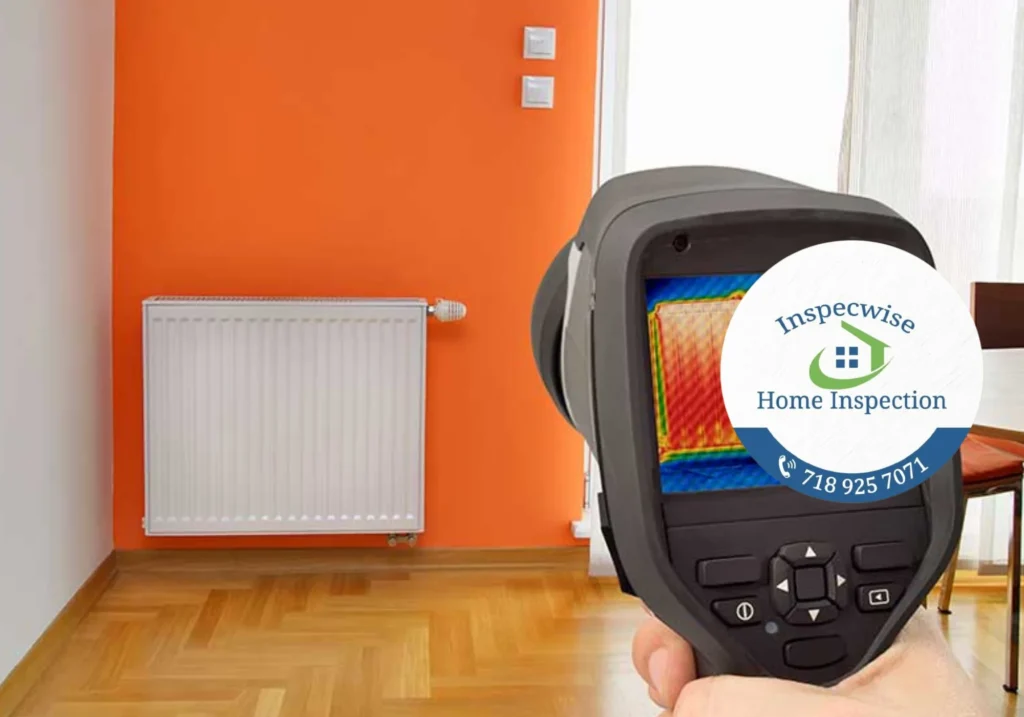
Inspecwise stands as the premier inspection authority across New York, delivering an elite standard of technical precision, localized knowledge, and unparalleled analytical reporting that discerning property owners demand. Our licensed inspectors possess a deep understanding of Suffolk County’s varied architectural landscape and municipal regulations, ensuring that every residential and commercial evaluation is executed with absolute thoroughness. We utilize advanced diagnostic technology including high-resolution thermal imaging, precision moisture detection instruments, and specialized combustion analysis tools to uncover latent structural anomalies and hidden mechanical defects that standard visual assessments miss. By delivering an exhaustive, highly detailed digital report within twenty-four hours of the physical evaluation, Inspecwise provides sellers and investors with the comprehensive data and strategic clarity required to navigate complex real estate transactions with absolute confidence.
Serving all Suffolk County Communities: Huntington • Babylon • Islip • Smithtown • Patchogue • Riverhead • Southampton • East Hampton • Southold • Brookhaven
Call Inspecwise now: 718-925-7071
Licensed, Certified, and 100% NYC Local