Chimney inspection New York style requires serious attention to detail because the city is so packed with tall buildings. Whether you manage a property, own a building, or are looking to buy a home in any of the five boroughs, you’ll have to navigate strict local rules just to make sure your chimneys and air vents are safe and working properly. In a metropolis characterized by everything from century-old historic brownstones in Brooklyn to sprawling commercial high-rises in Manhattan, a routine evaluation is never merely a cursory visual check. Instead, think of it as a deep, thorough check-up needed to protect your building from hidden dangers. It ensures you are playing by the rules of the New York City Department of Buildings (DOB) and helps stop disasters like carbon monoxide leaks or chimney fires before they even start. Skipping these inspections is a massive risk. If you ignore them you could face heavy fines and life-threatening safety hazards that could shut down your building in an instant.
When you’re dealing with a building that’s been around for decades, everything is connected. You can’t truly know if an old brick chimney or a new heating vent is safe without looking at where it all begins. That’s why starting with a thorough basement inspection NY safety assessment is the smartest move it catches the root issues before they ever travel upstairs. Subterranean moisture infiltration, foundational shifting, and unmitigated hydrostatic pressure within a building’s lower levels can directly compromise the structural footing of a massive brick chimney stack extending upward through multiple floors. Furthermore, localized moisture variations in low-lying utility rooms can accelerates the corrosive breakdown of iron cleanout doors and structural breaching systems, meaning that an accurate diagnostic assessment of a building’s venting capability must always account for the physical environmental conditions established at the foundational slab.
Structural Vulnerabilities Across Historic and Modern NYC Property Types
With NYC’s mix of century-old brick buildings and brand-new glass towers, you can’t just use the same basic checklist to inspect every vent. An old pre-war apartment building has a totally different set of quirks and risks than a brand-new glass skyscraper.To get it done right, you need an inspector who’s been around the block and knows exactly what tends to fail in an old brownstone versus a brand-new high-rise.
- Historic Pre-War Masonry Systems: Thousands of unreinforced brick chimneys built across Manhattan and Brooklyn prior to the introduction of modern building codes lack a continuous inner flue liner. Over decades of exposure to acidic flue gas condensate produced by oil or gas combustion, the historic lime mortar joints inside these unlined passages break down, leading to structural mortar degradation and missing brickwork. This allows toxic combustion products, including carbon monoxide (CO) and nitrogen oxides, to migrate through porous interior walls directly into residential living spaces.
- Brownstones and Attached Row Houses: Shared chimneys and multi-flue party walls are incredibly common in neighborhoods like Park Slope, Bedford-Stuyvesant, and the Upper West Side. Settling foundations can cause internal wythe walls the thin masonry partitions separating individual flues within a single stack to crack or collapse entirely. When an internal wythe wall fails, exhaust gases from one unit can cross-contaminate an adjacent apartment’s flue, triggering dangerous backdrafts and mysterious carbon monoxide alarms in completely separate residences.
- Modern Commercial High-Rise Exhaust Stacks: Tall commercial towers utilize complex, high-pressure mechanical venting networks, often constructed from heavy-gauge stainless steel alloys like UL 1777 listed or Type B and Type L venting systems. Because these stacks span dozens of vertical floors, they are subjected to extreme thermal expansion and contraction cycles that put immense stress on structural joints, anchors, and fire-stop seals. Any micro-fissure or weld failure along a vertical commercial chase can rapidly leak pressurized flue gases into utility shafts, corridors, or drop ceilings, compromising indoor air quality across multiple commercial floors.
- Industrial and Manufacturing Facilities: Heavy commercial installations operating large-scale steam boilers or high-capacity processing ovens require massive, industrial-grade venting structures. These units are highly prone to aggressive creosote accumulation if burning solid fuels, or severe sulfuric acid corrosion if venting low-sulfur heating oils, necessitating continuous monitoring to prevent high-temperature chimney fires that can quickly compromise a building’s fire-rated assemblies.
NYC DOB Regulatory Framework and Compliance Mandates
To stay on the right side of the city’s strict rules, you need serious technical know-how and a commitment to getting every bit of paperwork exactly right. The New York City Construction Codes explicitly govern the installation, maintenance, testing, and periodic inspection of all chimneys, vents, and fuel-fired combustion appliances to protect the public from catastrophic structural failures.
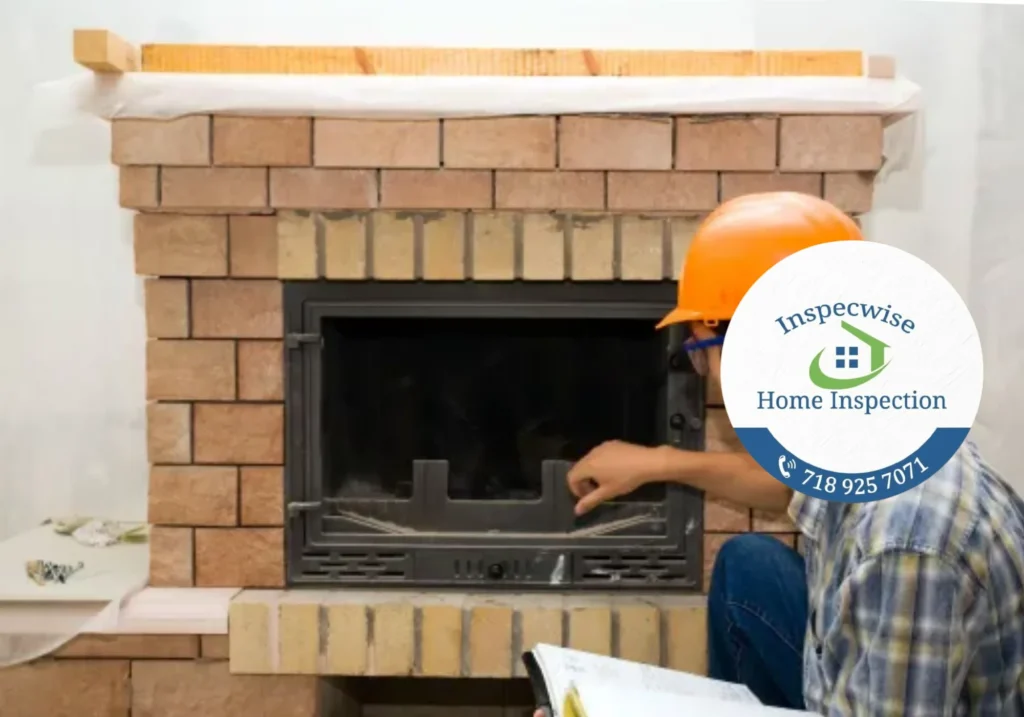
Under NYC’s strict building codes, anytime you install a new system, make major structural changes, or hook up a new appliance to an old vent, you are required to get an official Special Inspection. By law, a licensed professional has to come out and verify that everything is built exactly to plan. They’ll make sure the chimney isn’t sitting too close to anything flammable, and they’ll double-check that the liner inside is actually safe for the specific type of fuel you’re burning. If your chimney, fireplace, or vent is already up and running, national fire safety rules (NFPA 211) require you to get a full inspection once a year to keep your home safe.
Furthermore, whenever a facility upgrades its centralized heating equipment, replaces a commercial boiler, or executes a complex fuel conversion such as transitioning from heavy heating oil to natural gas the city strictly requires a pressurized smoke test in accordance with NYC MC 810.3. This mandatory test involves filling the entire vertical flue passageway with thick, penetrating smoke from specialized smoke machines or approved smoke bombs. Once the flue is completely filled, the stack opening on the roof is tightly sealed, and a specific pressure equivalent to a 0.5-inch water column is systematically applied at the base. Next the inspector checks the chimney from top to bottom and walking through every single floor to look and smell for any signs of a leak. They have to make absolutely sure the whole system is completely sealed before the city will give you the green light and hand over your operating permits.
Advanced Diagnostic Methodologies and Field Testing Protocols
Executing an elite-level evaluation requires deploying highly sophisticated diagnostic technologies that go far beyond basic visual observations. Modern field technicians utilize a multi-tiered testing methodology to capture precise, quantitative data regarding the structural health and internal continuity of vertical venting pathways.
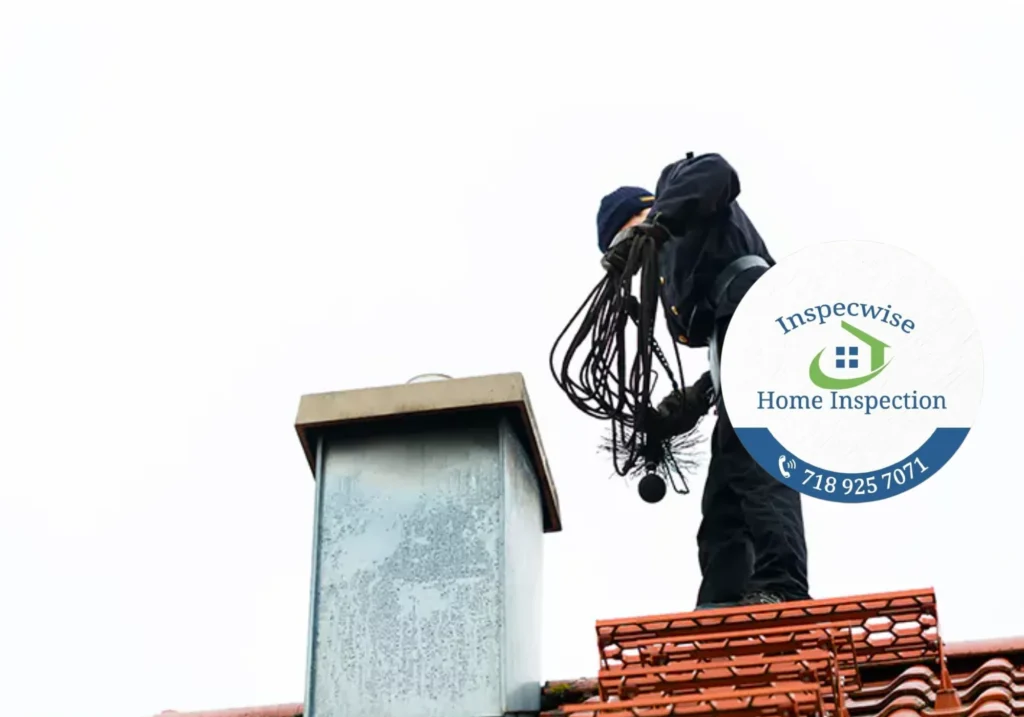
A standard inspection usually kicks off with a basic visual check. This close-up view makes it easy to spot tiny cracks, loose joints, or hidden blockages like bird nests or fallen bricks that you’d never be able to see from the outside. To look at the hidden spots inside, they’ll bring out the special gear. They lower a high-definition video camera all the way down the chimney to get a full 360-degree view of the interior walls. This lets them spot hidden issues you’d never see from the outside like tiny cracks, shifting joints, or blockages from bird nests and loose bricks.
Protecting your building isn’t just about structural checks; it’s also about stopping bugs and moisture from eating away at the woodwork from the inside out. If you are dealing with an older home or a wood-framed property, pairing your chimney check with a specialized termite inspection NY is a smart move. Termites thrive in dark, damp spaces, and they love to hide right behind the plaster walls and decorative wood mantels surrounding old brick chimneys. If water leaks through a cracked chimney top or faulty roof flashing, it creates the perfect breeding ground. These pests can secretly hollow out the heavy wood beams supporting your chimney, leaving you with massive structural damage that can go completely unnoticed for years.
Critical Material Defects and Environmental Hazards
When an inspection reveals physical anomalies within a vertical venting system, immediate remediation planning is absolutely vital to protect the property and its inhabitants. Technicians carefully evaluate several critical defects during every deployment:
- Masonry Spalling and Severe Efflorescence: When water penetrates the exterior brickwork of an exposed roof stack and undergoes repetitive freeze-thaw cycles, the faces of the bricks literally fracture and pop off, a highly destructive process known as spalling. Simultaneously, moisture leaching through the brick carries water-soluble salts to the surface, depositing a white, powdery crystalline crust called efflorescence, which indicates long-term, unmitigated water infiltration that weakens the structural stability of the entire stack.
- Creosote Accumulation and Internal Obstructions: In properties that utilize solid-fuel fireplaces or older oil-fired equipment, incomplete combustion creates creosote, a highly flammable, tar-like substance that coats the inside of the flue liner. If creosote accumulates to a thickness greater than one-eighth of an inch, it presents an immediate, severe fire hazard that can ignite a high-intensity internal chimney fire, reaching temperatures capable of melting metal liners and shattering masonry walls.
- Failing Flashing and Roof-Line Intrusions: The interface where a vertical chimney cuts through a building’s roof membrane is incredibly vulnerable to water leaks. If the lead, copper, or stainless steel counter-flashing pulls away from the masonry mortar joints, driving rain will pour down into the interior building envelope, destroying ceilings, rotting structural timber framing, and triggering extensive hidden mold growth behind adjacent drywall assemblies.
- Corroded Breaching and Damaged Cleanouts: The horizontal metal pipe connecting a commercial boiler or residential water heater to the vertical chimney is called the breaching. Severe rust, oxidation holes, or disconnected joints along this run will immediately release raw, unscrubbed flue gases directly into the mechanical room, creating a lethal environmental hazard for building staff and residents.
Comprehensive Risk Mitigation and Operational Best Practices
To safeguard valuable commercial real estate investments and ensure long-term mechanical reliability, building owners must adopt a highly proactive maintenance posture. Waiting for a system to suffer an operational failure or trigger a tenant emergency is an incredibly risky and expensive approach to asset management.
Implementing a continuous, scheduled preventative maintenance protocol ensures that minor material flaws are caught and repaired long before they escalate into structural failures or trigger costly DOB violations. This includes scheduling regular professional flue sweepings to eliminate creosote deposits, repairing weathered exterior masonry joints through precision point-pointing, and ensuring that heavy-gauge stainless steel rain caps and multi-flue spark arrestors are securely anchored to the roof stack. By investing in highly detailed, engineering-grade inspection reports that include complete digital video records and quantitative pressure data, property stakeholders can easily document their compliance history, protect their capital assets, and maintain total peace of mind across their entire real estate portfolio.
Why Choose Inspecwise
Inspecwise is the premier inspection authority in New York, trusted by elite real estate professionals, commercial asset managers, and discerning property owners who demand flawless technical accuracy and deep localized expertise. Our elite field team possesses an unmatched understanding of the unique structural challenges and dense regulatory frameworks that define the New York City built environment, allowing us to deliver incredibly thorough, engineering-grade evaluations across all five boroughs. By deploying advanced diagnostic technologies including high-definition internal video scanning systems and precision pressurized smoke testing arrays we eliminate guesswork and identify critical defects with absolute clarity. When you partner with Inspecwise, you receive highly scannable, legally compliant digital reports that protect your capital investments, manage liability risks, and ensure your properties remain fully compliant with the city’s strictest building codes.
Serving All 5 Boroughs and Long Island: Manhattan • Brooklyn • Queens • The Bronx • Staten Island • Nassau County • Suffolk County
Call Inspecwise now: 718-925-7071
Licensed, Certified, and 100% NYC Local