Commercial Inspection Nassau is the cornerstone of a successful real estate acquisition strategy within the high stakes environment of Long Island. Whether you are expanding your portfolio with a retail storefront in Garden City or securing a massive industrial warehouse in Hicksville, the complexity of these structures demands more than a cursory glance. At Inspecwise, our approach to a commercial property inspection is rooted in technical precision and a deep understanding of the local economic landscape. We provide business owners and investors with a transparent, data-driven analysis of their potential assets, ensuring that every mechanical system and structural component is vetted by a certified commercial inspector before the deal is finalized.
In the fast paced Nassau County market, commercial assets represent significant capital commitments that require a specialized eye to uncover latent defects. From the historic commercial corridors of Mineola to the modern corporate hubs in Woodbury, every building tells a story of its previous maintenance and operational history. Our commercial property condition assessment goes beyond the surface, utilizing advanced diagnostic tools to evaluate the life safety systems, structural integrity, and building envelope. By delivering a detailed commercial inspection report within a rapid timeframe, we empower our clients to make informed decisions that protect their bottom line and ensure long term operational viability.
The Critical Importance of Due Diligence in Nassau Commercial Real Estate
Investing in Nassau County real estate involves navigating a maze of regional building codes and diverse property types. A commercial building inspection serves as your primary defense against unforeseen capital expenditures that could derail your financial projections. Many commercial structures in the region have undergone multiple renovations or changes in use over the decades, which can lead to “inherited” problems like unpermitted electrical work or compromised fire separations. A professional commercial inspector acts as an objective third party, providing a clear eyed view of the property’s physical health without the emotional bias that often accompanies a major purchase.
Furthermore, a comprehensive evaluation is often a prerequisite for securing commercial financing. Lenders in New York typically require a professional assessment to verify that the collateral for their loan is sound and free of major environmental or structural liabilities. By providing a thorough commercial inspection checklist and a detailed breakdown of immediate versus long term repairs, we help bridge the gap between buyers, sellers, and financial institutions. This transparency fosters trust during the negotiation phase and can often lead to price adjustments or repair credits that save the investor significant sums at the closing table.
Comprehensive Commercial Services Tailored for Long Island
At Inspecwise, we recognize that a “one size fits all” approach does not work for the diverse commercial inventory found on Long Island. We have developed a suite of specialized services designed to address the specific needs of various industries. Our core commercial property inspection services include:
- Office Building Inspection: We evaluate complex centralized HVAC systems, elevator mechanics, and multi story life safety protocols to ensure tenant comfort and safety.
- Retail Space Inspection: For shopping centers and storefronts, we focus on ADA accessibility compliance, parking lot drainage, and storefront glazing integrity.
- Warehouse and Industrial Facility Inspection: These evaluations prioritize high load floor slabs, heavy duty electrical service, and industrial grade roofing systems.
- Multi Family Property Inspection: We assist investors in vetting large apartment complexes, focusing on shared utilities, roof conditions, and fire escape safety.
- Thermal Imaging Commercial Inspection: This non invasive technology allows us to detect overheating electrical switchgear and hidden moisture within flat roofing membranes.
- Pre Lease Commercial Inspection: Crucial for tenants entering triple net (NNN) leases, this service defines the baseline condition of the property to prevent future disputes over repair obligations.
Bridging the Gap: From Residential to Commercial Excellence
While our commercial team focuses on the technical intricacies of industrial and retail spaces, many of our clients are multifaceted investors who manage both professional and personal real estate interests. It is not uncommon for a business owner to require a Home Inspection Nassau for their private residence while simultaneously closing on a new corporate headquarters. At Inspecwise, we pride ourselves on being a total property solution. By maintaining the same high standards for a home inspection Nassau as we do for our large scale commercial assessments, we provide a seamless experience for our clients. Whether you are moving your family into a quiet North Shore neighborhood or expanding your business operations in a central Nassau hub, our integrated expertise ensures that your entire real estate portfolio is protected by a consistent, professional standard of care.
The Inspecwise Technical Process: What to Expect
When you engage Inspecwise for a commercial inspection Nassau, you are commissioning a rigorous technical survey. Our process follows the internationally recognized ASTM E2018 standards, ensuring that our reports meet the requirements of even the most demanding institutional investors. We begin with a document review, examining past maintenance records, certificates of occupancy, and fire marshal violation reports. This historical context allows our certified commercial inspector to identify patterns of neglect or recurring issues that might not be immediately obvious during the physical walkthrough.
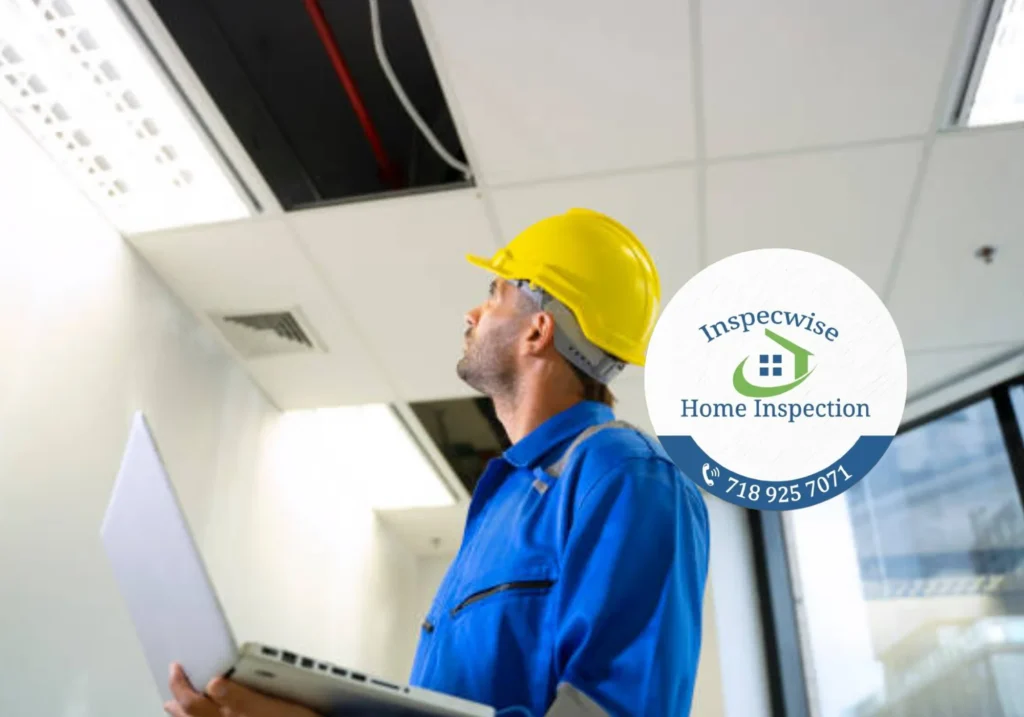
The physical phase of the inspection is a collaborative effort. We encourage our clients and their property managers to attend so they can observe the operation of major systems firsthand. We examine the building envelope, including the roofing, siding, and foundation, before moving into the mechanical rooms. We test the boilers, chillers, and electrical panels, looking for signs of deferred maintenance or “end of life” status. Within 24 to 48 hours of the site visit, we deliver a digital commercial property inspection report that includes high resolution photography and a prioritized list of findings, making it easy for you to share the data with your legal and financial teams.
Decoding Commercial Inspection Cost in Nassau County
A common inquiry among new investors is, “how much does a commercial inspection cost?” Unlike residential inspections, which often have fixed pricing based on square footage, the commercial inspection price is highly variable and depends on the complexity of the asset. A 2,000 square foot retail storefront requires a vastly different level of effort than a 100,000 square foot manufacturing plant. We provide custom quotes for every project to ensure that our clients receive the specific expertise they need without paying for unnecessary overhead.
Factors that typically influence the commercial inspection cost include:
- The total square footage and number of separate buildings on the site.
- The age and historical usage of the property (industrial sites often require more scrutiny).
- The number of commercial HVAC zones and the complexity of the electrical systems.
- Specialized testing requirements, such as Phase I Environmental Site Assessments or lead paint testing.
- The deadline for the report delivery, as rush inspections may require additional manpower.
We believe in providing value through accuracy. A “cheap” inspection is rarely a bargain if it fails to identify a failing $50,000 commercial roof. Our pricing reflects our commitment to using the best technology and the most experienced inspectors in the Nassau region.
Local Geographic Expertise Across Nassau County
Our team possesses deep knowledge of the specific geographic and regulatory challenges unique to Nassau County. We understand that a commercial property in a coastal town like Long Beach faces different environmental stressors—such as salt air corrosion—than a property in a landlocked area like Bethpage. We provide specialized commercial property inspection services across the entire county, including:
- Garden City and Mineola: We focus on professional office suites and medical facilities, ensuring that fire codes and elevator certifications are up to date.
- Hicksville and Farmingdale: Our industrial experts evaluate the heavy duty infrastructure required for manufacturing and distribution centers.
- Syosset and Woodbury: We serve the high end retail and corporate markets, focusing on aesthetics, parking lot integrity, and premium mechanical systems.
- Hempstead and Westbury: We provide comprehensive evaluations for multi family housing and mixed use developments.
Having a professional commercial inspector who understands the local landscape is an invaluable asset. We know the common construction styles used in different decades of Nassau’s development, allowing us to anticipate issues before we even step foot on the property.
Critical Red Flags in Commercial Property Inspections
During our decades of experience, we have identified several “deal breaker” issues that frequently appear in the Nassau market. Identifying these commercial inspection red flags early is essential for proper risk management. Common findings that can significantly impact a property’s value include:
- Structural Steel and Masonry Failure: Significant corrosion on I beams or “step cracking” in brick facades can indicate foundation settlement or structural instability.
- Life Safety and Fire Suppression Issues: Outdated alarm panels, obstructed sprinklers, or lack of emergency lighting are significant liabilities that can lead to municipal fines.
- Industrial Grade HVAC Failure: Commercial chillers and boilers are massive investments; a system that has been poorly maintained can represent a six figure replacement cost.
- Environmental Hazards: The presence of mold in basements or asbestos in pipe insulation requires specialized remediation that must be factored into the purchase price.
- Roofing Degradation: Ponding water on flat roofs or damaged flashing around rooftop units are the leading causes of interior water damage in commercial buildings.
The Inspecwise Advantage: Why Choose Us?
When you search for “commercial inspection near me,” you will find many generalists, but few firms with the specialized commercial focus of Inspecwise. We distinguish ourselves through our commitment to client education and the use of cutting edge technology. We don’t just deliver a list of problems; we provide a narrative of the building’s health, helping you understand the “why” behind every finding. Our 5.0 star rating on Google is a direct result of our dedication to every client who trusts us with their commercial investment.
We are a fully licensed and insured firm, carrying high limit General Liability and Professional Liability (E&O) insurance tailored for commercial environments. This ensures that our clients and their lenders are fully protected throughout the inspection process. Our inspectors are not just technicians; they are consultants who understand that their report is a tool for your financial success.
Technological Innovations in Commercial Evaluations
The era of the clipboard and flashlight is over. At Inspecwise, we utilize the latest diagnostic tools to provide a level of detail that was previously impossible. Our use of thermal imaging commercial inspection equipment allows us to see behind walls and inside electrical panels to identify thermal anomalies. This is particularly useful for identifying “hot spots” in high voltage breakers that could indicate an imminent fire hazard or system failure.
We also employ high resolution drone photography to inspect roofing systems that are too high or fragile for manual access. This provides a bird’s eye view of drainage patterns and HVAC equipment placement that is essential for a complete property condition assessment. Additionally, our digital reporting platform allows for interactive navigation, video clips of operating machinery, and instant sharing with your team of advisors. This tech forward approach ensures that your commercial inspection Nassau County is as thorough as the modern market demands.
Preparing for Your Commercial Inspection: A Guide for Sellers
If you are a property owner in Nassau County looking to liquidate an asset, a pre listing commercial inspection is one of the smartest investments you can make. By identifying and correcting issues before a buyer’s inspector finds them, you maintain control over the narrative of the sale. A proactive approach often leads to a faster closing and fewer price concessions. To prepare for our visit, we recommend the following:
- Gather Documentation: Have a complete file of HVAC service contracts, roof warranties, and fire alarm test results ready for the inspector.
- Ensure Access: Make sure all mechanical rooms, electrical closets, roof hatches, and basements are unlocked and free of debris.
- Notify Tenants: If the building is occupied, ensure that all tenants are aware of the inspection so the inspector can access all leased areas without delay.
- Safety Equipment: Verify that fire extinguishers are tagged and up to date, and that all exit signs are illuminated.
By facilitating a professional and efficient inspection environment, you demonstrate to potential buyers that the property has been managed with care and attention to detail.

The Future of Your Investment: Beyond the Report
The delivery of the commercial inspection report is not the end of our relationship with our clients. We remain available to discuss our findings with your contractors, architects, or attorneys to ensure that the data is correctly interpreted and utilized. We understand that a commercial acquisition is a complex puzzle, and our report is a primary piece of that puzzle. We help you prioritize repairs based on safety, functionality, and cost, allowing you to create a realistic capital improvement plan for the years following your purchase.
Whether you are a seasoned developer or a first time commercial buyer, Inspecwise provides the clarity you need to move forward with confidence. Our commitment to the Nassau County business community is unwavering, and we take pride in helping our neighbors build a stronger, safer, and more prosperous Long Island.
Final Thoughts: Secure Your Commercial Legacy Today
The Nassau County commercial real estate market is full of potential, but it rewards those who are prepared and penalizes those who rush into deals without proper vetting. A commercial inspection Nassau is your most powerful tool for risk mitigation and financial planning. At Inspecwise, we are dedicated to providing the highest level of professional service, ensuring that your next acquisition is a step toward greater success rather than a series of expensive surprises.
Don’t leave your commercial future to chance. Contact us today at 718-925-7071 to schedule your evaluation with a certified commercial inspector. Whether you need a simple retail walkthrough or a multi disciplinary industrial assessment, we have the tools, the talent, and the local expertise to deliver the results you need. Let Inspecwise be your partner in property evaluation and your guide to a secure commercial investment.
Serving all Nassau County Communities: Garden City • Rockville Centre • Great Neck • Manhasset • Levittown • Massapequa • Syosset • Long Beach • Hicksville • Port Washington
Call Inspecwise now: 718-925-7071
Licensed, Certified, and 100% NYC Local