Home Inspection White Plains NY services act as the ultimate defensive shield for buyers, investors, and asset managers navigating the complex residential landscape of Westchester County and its surrounding municipal corridors. Purchasing a property in this dense, economically vibrant hub involves underwriting substantial capital allocations, making a comprehensive physical assessment an operational necessity rather than a administrative formality. The local building inventory presents an intricate architectural tapestry, ranging from century-old historic colonials in Highlands and Battle Hill to modern mid-rise transit-oriented developments near the downtown train station. Every asset class carries distinct structural, mechanical, and environmental vulnerabilities that require the technical eye of an elite property inspector. Failing to uncover latent defects before executing a purchase contract routinely results in catastrophic financial liabilities, immediate code enforcement actions, and severely compromised asset valuations. This exhaustive guide unpacks the critical technical vectors of evaluating real estate within this jurisdiction, ensuring your next transaction is backed by rigorous data and specialized local intelligence.
Architectural Typologies and Regional Structural Vulnerabilities
Evaluating residential assets within this specific Westchester submarket requires an advanced understanding of the localized structural styles and how they degrade under regional environmental stressors. The region features a high concentration of early 20th-century wood-frame homes, mid-century split-levels, and contemporary multi-family structures. Each architectural era displays predictable failure modes that must be meticulously investigated during a Home Inspection White Plains NY protocol.
- Pre-War Wood-Frame Colonials and Tudors: Built prior to 1940, these classic residences frequently exhibit balloon-frame construction vulnerabilities. In these systems, vertical wall studs extend continuously from the foundation sill to the roof plate without intermediate fire-stopping, creating internal channels that facilitate rapid fire spread and unrestricted moisture migration. Inspectors must analyze the integrity of the timber sills, which are regularly found in direct contact with masonry foundations, inducing wood-destroying organism (WDO) infestations and advanced fungal rot.
- Mid-Century Split-Levels and Ranches: Constructed during the post-war suburban expansion, these homes often present structural issues tied to long-span floor joists and inadequate center support beams. Deflection or “sagging” in wide-open living spaces is a common sign of undersized framing members. Additionally, early integration of low-pitch or flat roof profiles in these designs accelerates pooling water, leading to localized decking failures and structural ceiling collapse.
- Modern Transit-Oriented Condominiums: These high-density structures rely on hybrid light-gauge steel framing and cast-in-place concrete decks. The primary risk vectors shift from timber decay to curtain wall moisture intrusion, failed exterior insulation finish systems (EIFS), and thermal bridging. These issues degrade interior climate control performance and cause premature cosmetic spalling.
Understanding these structural eras is just as critical when executing a Home Inspection NYC deployment, where dense multi-family building stocks present identical historic framing and masonry deterioration risks.
Foundation Mechanics, Hydrology, and Soil Composition Risks
The geological footprint of the region directly influences the long-term performance of residential foundations. The local soil profile consists largely of dense glacial till mixed with pockets of highly plastic clay and shallow metamorphic bedrock. These conditions create unique hydrostatic pressures and settlement challenges that are carefully evaluated during a detailed Home Inspection White Plains NY.
Hydrostatic Pressure and Perimeter Foundation Failure
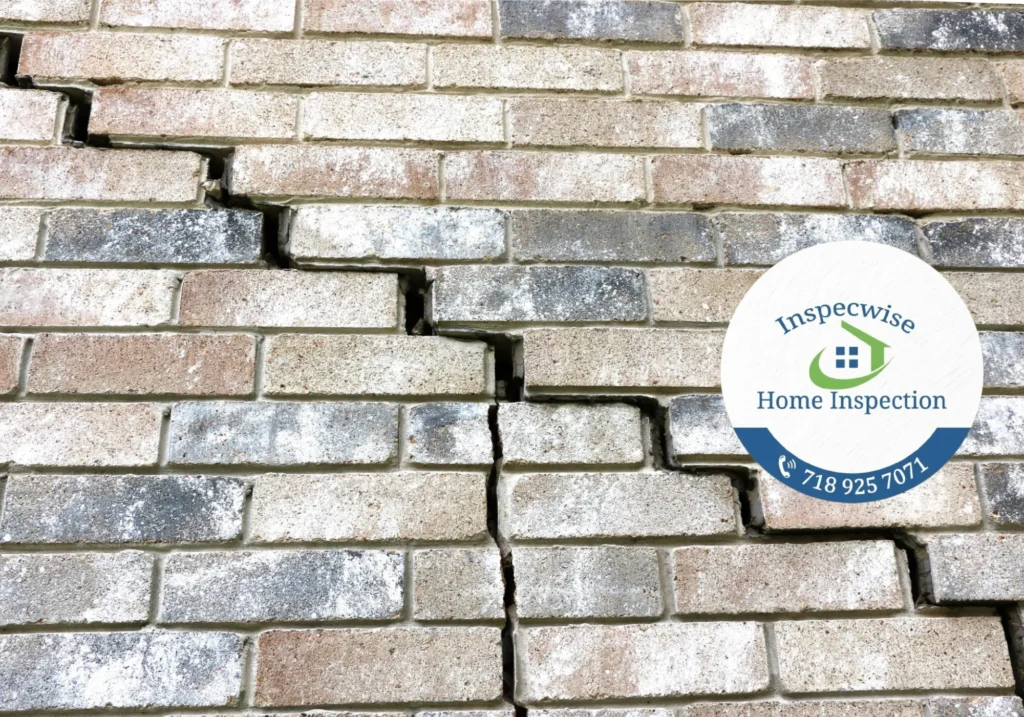
Clay-heavy soils retain water long after regional storm events, undergoing significant volumetric expansion. This exerts intense lateral hydrostatic pressure against subterranean foundation walls. In older properties featuring stone or unreinforced concrete block foundations, this pressure causes step-cracking, inward bowing, and mortar joint degradation. During a thorough physical assessment, inspectors utilize high-accuracy digital crack monitors and laser lines to quantify any structural movement. This data helps determine if the foundation has surpassed its elastic limit, which would require carbon fiber reinforcement or steel I-beam shoring.
Sub-Slab Water Migration and Perimeter Drainage Failures
Shallow bedrock formations act as an impermeable subterranean barrier, forcing rising water tables directly upward against concrete basement floor slabs. This mechanism triggers capillary action, driving moisture through porous concrete slabs and destroying interior finishes, warping floorboards, and fueling hidden microbial growth. A premier inspection must carefully evaluate the presence and operational status of sub-slab drainage networks, perimeter French drains, and heavy-duty sump pump systems equipped with battery backups to ensure the property can withstand severe weather events.
Mechanical, Electrical, and Plumbing (MEP) Analysis
The mechanical, electrical, and plumbing infrastructure of a property dictates its daily operational viability, safety, and long-term capital expenditure profile. When arranging a professional Home Inspection White Plains NY, the forensic analysis of these complex systems forms the backbone of the final condition report.
Legacy Electrical Infrastructure and Current Hazards
Older residential properties often contain outdated electrical distribution systems that cannot safely handle modern power demands. Inspectors frequently encounter knob-and-tube wiring, ungrounded two-slot branch circuits, and dangerous cloth-insulated conductors that become brittle and fire-prone with age. Special focus is directed toward the service panel.
Systems utilizing obsolete Federal Pacific Electric (FPE) Stab-Lok panels, Zinsco panels, or old split-bus configurations are flagged immediately as latent fire hazards due to documented histories of circuit breaker failure to trip during overcurrent events. Modern safety standards require installing comprehensive arc-fault circuit interrupter (AFCI) and ground-fault circuit interrupter (GFCI) protection across all high-risk living zones to comply with updated electrical codes.
Heating, Ventilation, and Air Conditioning (HVAC) Systems
The harsh Northeast winter climate requires robust, highly efficient heating infrastructure. Specialized inspections demand a rigorous examination of the thermodynamic core of the home, whether it relies on steam boilers, hydronic baseboard loops, or forced-air heat pumps. Inspectors look closely for cast-iron heat exchanger breaches, combustion gas backdrafting, and cracked fireboxes that can leak deadly carbon monoxide into the living space.
Furthermore, any oil-to-gas heating conversions must be fully vetted to ensure the proper sealing and decommissioning of abandoned underground storage tanks (USTs), preventing severe environmental liability and soil remediation costs. For larger multi-family developments or commercial assets, deploying a comprehensive Commercial Inspection NYC standard ensures that heavy-duty roof-mounted chillers, multi-zone air handlers, and commercial-grade steam infrastructure are accurately assessed for remaining useful life and system balance.
Plumbing Systems and Waste-Line Integrity
Plumbing diagnostics require checking supply line chemistry and drain-waste-vent (DWV) structural integrity. Properties built before 1970 often feature galvanized steel piping, which narrows internally over time due to rust build-up, restricting water pressure and introducing heavy metals into the water supply.
Modern inspections utilize advanced diagnostic tools like digital water pressure gauges and thermal imaging to locate hidden slab leaks. They also feature fiber-optic sewer scope cameras that travel down the main lateral line to the municipal connection, identifying root intrusions, pipe bellies, or collapsed cast-iron or orangeburg pipes beneath the exterior landscape.
Environmental Hazards and Indoor Air Quality Metrics
Environmental risk mitigation is a core component of asset acquisition within older municipal zones. Residential structures built across past decades contain hazardous materials that require strict containment or professional removal. Incorporating a comprehensive Home Inspection Checklist ensures that inspectors evaluate every environmental vector systematically, leaving no overlooked liabilities for the incoming property owner.
- Lead-Based Paint Contamination: Properties built before 1978 are highly likely to contain lead-based paint layers. Friction zones like double-hung window sashes and entry doors can grind down these layers, generating microscopic, toxic lead dust. Inspectors evaluate these areas for peeling, flaking, or chalking surfaces that pose immediate health risks to occupants.
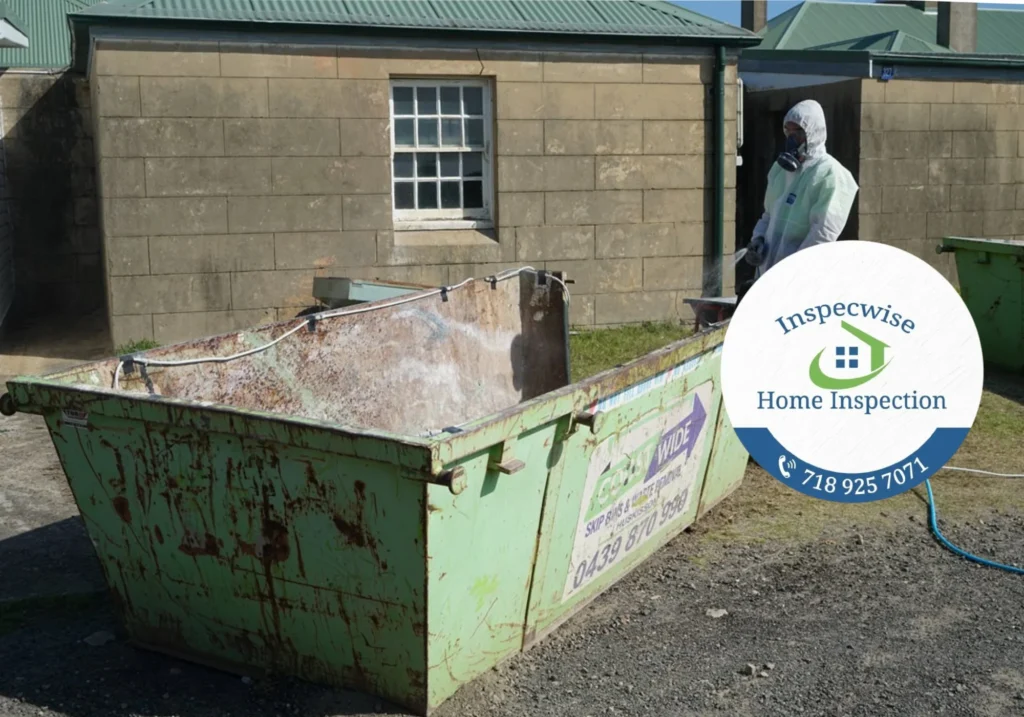
- Asbestos-Containing Materials (ACM): Commonly found in homes built before 1980, asbestos was widely used for its exceptional thermal insulation and fire-retardant properties. It is frequently located on vintage steam pipe insulation wraps, transit siding, duct insulation, and vinyl floor tiles. The inspection notes whether these materials are friable (easily crumbled by hand), which releases microscopic fibers into the air that cause severe respiratory issues.
- Radon Gas Intrusion: Radon is a naturally occurring, radioactive gas produced by the breakdown of uranium in regional granite and bedrock formations. It seeps into homes through foundation cracks, sump pits, and construction joints. Because it is odorless, invisible, and tasteless, it is the second-leading cause of lung cancer. High-accuracy continuous radon monitors must be deployed in the lowest livable level for at least 48 hours to confirm that radon concentrations fall safely below the EPA action limit of 4.0 pCi/L.
Localized Code Compliance, Permits, and Zoning Alignment
Navigating local building departments is a critical phase of the due diligence process. The White Plains Department of Building enforces strict property maintenance standards, local zoning ordinances, and the White Plains Supplemental Building Code. An elite property inspection uncovers unpermitted renovations, illegal structural additions, and unauthorized basement apartments that violate local safety standards.
When unpermitted structural modifications, illegal attic rooms, or unapproved electrical panel expansions are discovered, the burden of correcting these violations falls squarely on the new buyer. This can lead to steep municipal fines, retroactive permit fees, and the costly removal of non-compliant work.
Ensuring proper permit alignment is equally critical during a Commercial Inspection Checklist review for regional light industrial or retail facilities, where unapproved occupancy changes, blocked fire exits, or non-compliant accessibility layouts can instantly halt business operations.
Roofing, Building Envelope, and Thermal Performance
The exterior envelope of a property serves as its primary defense against the harsh regional weather patterns of New York, which range from freezing winter blizzards to humid summer heatwaves. Evaluating these architectural components requires a hands-on approach and advanced diagnostic technology.
Advanced Roof Inspections
Inspectors look beyond simple shingle aesthetics to evaluate the performance of the entire roofing system. For traditional sloped roofs, this includes checking architectural asphalt shingles for granule loss, cupping, and clawing, as well as inspecting natural slate or wood shake tiles for secure attachments.
Special care is taken when examining roof valleys, chimney steps, and wall junctions, where high-grade flashing must be correctly installed to prevent water intrusion. For flat or low-slope roofs, inspectors check for seams splitting in EPDM (ethylene propylene diene monomer) membranes, blistering in built-up roofs (BUR), or mechanical punctures in TPO (thermoplastic polyolefin) systems.
Thermal Imaging and Insulation Diagnostics
Using high-resolution FLIR infrared cameras allows property inspectors to see past drywall and siding, uncovering hidden defects without invasive cutting. This technology reveals missing thermal insulation, hidden framing voids, and active moisture plumes from slow exterior leaks.By identifying these thermal bridges and air leaks, buyers gain the precise data needed to estimate future utility costs and plan targeted energy efficiency upgrades.
Why Choose Inspecwise
Inspecwise stands as the premier property inspection authority across New York, delivering unparalleled technical accuracy, deep local expertise, and elite forensic reporting for both high-end residential acquisitions and complex commercial real estate transactions. Our team of elite, licensed inspectors possesses an exhaustive understanding of municipal building codes, historic architectural framing, and regional environmental risk vectors, transforming raw physical assessments into actionable risk-mitigation data. Every evaluation is powered by cutting-edge diagnostic technology including high-resolution thermal imaging, fiber-optic sewer scopes, and continuous electronic radon monitors ensuring that latent structural, mechanical, and environmental defects are uncovered before they impact your investment portfolio. When you choose Inspecwise, you are partnering with an authoritative, data-driven advocate dedicated to protecting your capital, securing your physical safety, and providing absolute clarity on every square foot of your property.
Serving White Plains, Westchester County, and the Hudson Valley: Rockland County • Putnam County • Yonkers • New Rochelle • Scarsdale • Tarrytown
Call Inspecwise now: 718-925-7071
Licensed, Certified, and 100% NYC Local