
Home Inspector Westchester County professionals provide an indispensable service for homebuyers navigating one of the most competitive, high-stakes real estate markets in the New York metropolitan area. Moving out of the five boroughs into the historic suburbs of Westchester requires a major shift in how you evaluate a piece of real estate. Unlike the standard high-rises of Manhattan or the uniform row houses of Brooklyn, Westchester County presents an incredibly diverse architectural tapestry that spans over three centuries of construction styles. A truly elite Home Inspector Westchester County must possess deep, specialized knowledge of everything from colonial-era homesteads in Bedford and century-old brick Tudors in Pelham to sprawling mid-century modern estates in Chappaqua and brand-new custom builds in Rye. Purchasing a home here is a multi-million dollar milestone, and the structural, environmental, and mechanical realities hidden behind those charming facades require a meticulous, expert eye to uncover. Failing to identify a systemic issue before closing can lead to catastrophic financial burdens, making a comprehensive, hyper-localized property assessment your absolute best line of defense.
Understanding the specific geological, meteorological, and historical factors of the region is what separates a generic inspector from a true local authority. Westchester is famous for its rolling hills, dense woodlands, and proximity to major bodies of water like the Hudson River and the Long Island Sound. While these features create stunning landscapes, they also introduce distinct property risks such as high water tables, unique soil hydrostatic pressures, and elevated risks of environmental hazards. Furthermore, because Westchester consists of dozens of distinct cities, towns, and villages each maintaining its own local building codes, zoning ordinances, and historical preservation guidelines the inspection process must be tailored to the exact municipality where the property sits. Whether it is dealing with old municipal sewer connections in Yonkers or private well and septic systems in Pound Ridge, a top-tier inspection demands an exhaustive evaluation of the entire property ecosystem, ensuring that your investment is structurally sound, safe, and legally compliant.
The Architectural Diversity of Westchester County Properties
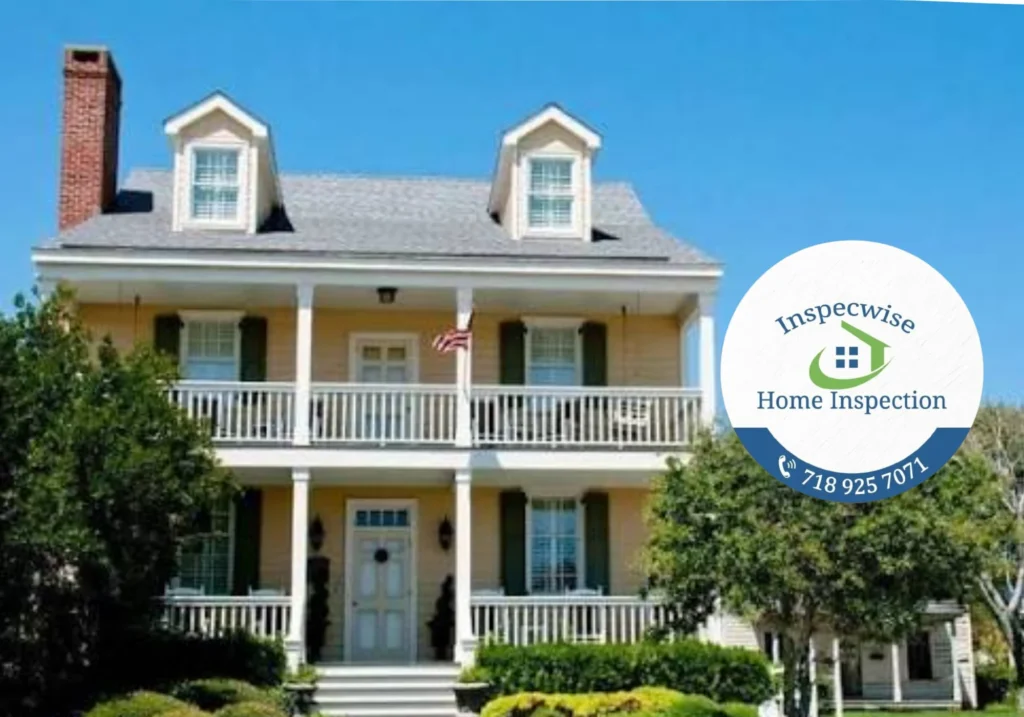
The sheer variety of residential architecture in Westchester County requires an inspector to be a historian, a structural engineer, and a building scientist all at once. In older, established towns like Larchmont, Scarsdale, and Bronxville, you will encounter an abundance of pre-WWII homes, including iconic Center-Hall Colonials, Victorian painted ladies, and ornate Tudor Revivals. These classic properties boast unmatched craftsmanship, featuring old-growth timber framing, thick plaster walls, and hand-laid stone foundations. However, they also present a predictable suite of vintage building complications. Inspectors frequently encounter settled structural framing, compromised joists from decades of amateur plumbing alterations, and outdated building materials that have long since been phased out of modern construction practices.
Conversely, the post-war housing boom saw a massive expansion into areas like Greenburgh, White Plains, and Yorktown Heights, introducing thousands of split-level homes, raised ranches, and mid-century modern designs. These homes shifted away from traditional heavy timbering toward lighter dimensional lumber framing and engineered truss systems, which come with their own unique structural considerations. In recent decades, luxury new construction has surged across the county, bringing massive contemporary estates that utilize complex modern HVAC systems, advanced building envelopes, and intricate smart-home automation. A premier inspector must be equally comfortable evaluating the hand-hewn oak beams of an 1890 farmhouse and the multi-zoned VRF (Variable Refrigerant Flow) heat pump system of a 2026 custom smart home.
- Pre-War Historical Homes (1880–1940): These properties feature heavy-timber balloon framing, multi-wythe brick masonry, and foundations constructed of local fieldstone or granite block. Common inspection pain points include significant floor sagging due to undersized joists, deteriorating lime mortar joints in the foundation, and active settlement from a century of soil movement.
- Post-War and Mid-Century Subdivisions (1950–1980): These homes heavily utilized early plywood sheathing, platform framing, and cast-in-place concrete foundations. Inspectors look closely for inadequate attic ventilation leading to localized wood rot, uninsulated rim joists causing massive energy loss, and the presence of early architectural modifications that may have inadvertently cut into load-bearing partitions.
- Modern Luxury Estates (1990–Present): Built with complex architectural footprints, these homes feature multiple roof valleys, advanced engineered wood products, and extensive synthetic stucco or EIFS (External Insulation and Finish Systems). Key inspection focuses include verifying proper flashing at complex roof-to-wall intersections, testing sophisticated radiant floor heating loops, and checking for moisture trapping behind synthetic exterior cladding.
Deciphering Westchester Foundations and Structural Integrity
The foundation is the literal and metaphorical bedrock of any residential property, and in Westchester, the ground beneath a home tells a complex story. The county’s geography is highly varied, characterized by dense clay soils, expansive glacial till, and shallow, unyielding granite bedrock formations. When heavy rains hit the region, clay soils retain massive amounts of water, swelling and exerting intense hydrostatic pressure against foundation walls. Over decades, this constant bowing force can cause concrete block or poured concrete walls to crack, shift inward, or develop significant structural fractures. An elite inspector will meticulously scan basement walls for horizontal cracking, staircase fractures along mortar joints, and subtle inward bowing that signals structural distress.
In the older inventory across Westchester, fieldstone foundations are incredibly common. These foundations were constructed by stacking local rocks and binding them together with an early lime-based mortar. Over time, moisture exposure causes this historic mortar to crumble into dust a process known as efflorescence and de-bonding leaving gaps that allow water, pests, and soil gasses to freely enter the basement. While minor mortar degradation can be remediated through targeted repointing, widespread structural shifting or shifting rocks indicate a compromised load-bearing capacity. Additionally, properties built directly on or blasting into Westchester’s shallow bedrock often face unique water management challenges, as groundwater naturally travels along the bedrock contours and can easily seep directly through the basement floor slab if a robust perimeter drainage system is not actively functioning.
When exploring the structural health of a property, your inspector should also evaluate the framing system from the lowest accessible level up to the roof rafters. In many older Westchester residences, previous homeowners have executed unpermitted remodeling projects, frequently cutting through structural floor joists to run modern waste lines or removing walls without installing properly sized header beams. To get ahead of these hidden structural surprises, many proactive buyers will schedule a dedicated Home Foundation Inspection early in their due diligence period, ensuring that a licensed professional verifies the structural load paths, pier supports, and sill plates before any final contracts are signed.
- Fieldstone Masonry Degradation: Moisture vapor passing through stone walls slowly dissolves the original binding mortar, leading to structural loosening of the stones and creating direct pathways for subterranean water entry.
- Poured Concrete Horizontal Fractures: Typically caused by excessive lateral earth pressure from saturated exterior soils, horizontal cracks wider than one-eighth of an inch often require structural reinforcement such as carbon-fiber straps or steel I-beams.
- Sill Plate Rot and Termite Damage: Because older homes often have low foundation clearances, soil-to-wood contact or high exterior grade levels allow moisture and wood-boring insects to decimate the critical wood sill plate resting on top of the foundation.
- Deflecting Columns and Sagging Girders: Inadequate or deteriorating central support posts such as rusted adjustable jacks or settling brick piers cause the center of the home to drop, resulting in sloped flooring and sticking doors on upper levels.
Navigating Environmental Hazards: Radon, Asbestos, and Lead
Westchester County’s unique geology and older housing inventory create a perfect storm for localized environmental hazards that can directly impact human health. Chief among these is radon gas, a naturally occurring, radioactive, colorless, and odorless gas produced by the natural breakdown of uranium in the regional granite bedrock. The US Environmental Protection Agency (EPA) designates much of Westchester County as a Zone 1 region, indicating the highest potential for elevated indoor radon levels exceeding the action limit of 4.0 pCi/L (picocuries per liter). Radon easily migrates upward through soil pores and enters homes through foundation cracks, sump pumps, and pipe penetrations. Long-term exposure is the leading cause of lung cancer among non-smokers, making a professional, continuous-monitoring radon test an absolute necessity for any Westchester home purchase.
Beyond the ground beneath the home, the older building materials found inside historic Westchester properties present distinct environmental risks. Homes built before 1978 almost universally contain lead-based paint, which becomes a major health hazard if it begins to flake, peel, or turn into fine dust during routine renovations. Similarly, asbestos-containing materials (ACMs) are heavily prevalent in pre-1980 construction across the county. Inspectors regularly identify asbestos insulation wrapped around vintage steam pipes, lining old boilers, or embedded in historical vinyl floor tiles and exterior acoustic shingles. If these materials are in pristine condition, they can often be left alone or safely encapsulated; however, if they are friable, damaged, or disturbed during an upcoming remodel, they release microscopic fibers into the air that cause severe respiratory illnesses.
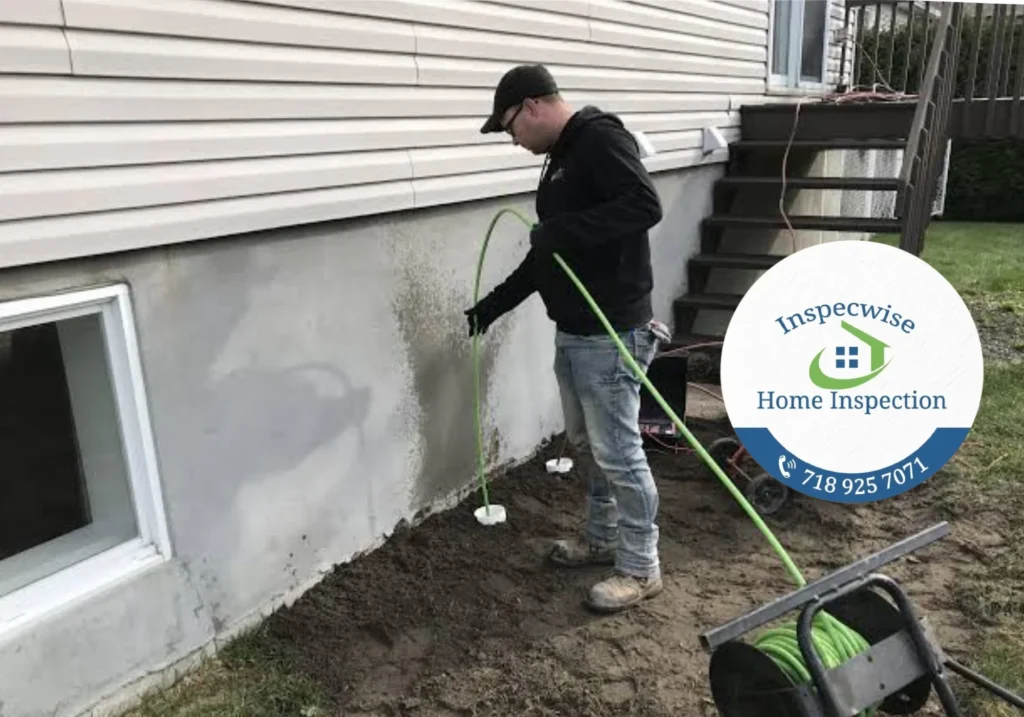
Another critical environmental concern in Westchester’s densely wooded suburban environments is the presence of forgotten Underground Storage Tanks (USTs). Decades ago, many homes relied on heating oil stored in buried steel tanks. Over time, these tanks rust from the outside in, eventually leaking fuel oil directly into the surrounding soil and groundwater. Remediating a leaking oil tank can easily cost tens of thousands of dollars and trigger strict reporting mandates from the New York State Department of Environmental Conservation (NYSDEC). A comprehensive inspection should always include an exterior visual sweep for old fill and vent pipes, and buyers are highly encouraged to commission a specialized electronic oil tank sweep to ensure no abandoned environmental liabilities are lurking beneath the lawn.
- Radon Bedrock Vapor Intrusion: Granite geological formations release radioactive radon gas that accumulates in tightly sealed basements, requiring the installation of an active sub-slab depressurization system to safely vent the gas above the roofline.
- Friable Asbestos Pipe Insulation: Found on vintage gravity-fed steam heating loops, crumbling white asbestos wrapping must be handled exclusively by licensed environmental abatement contractors to avoid dangerous air contamination.
- Lead-Paint Friction Surfaces: Window sashes, door jambs, and stair railings in older homes contain layers of lead paint that generate toxic, microscopic lead dust through daily opening and closing actions.
- Abandoned Heating Oil Tanks: Buried steel USTs inevitably suffer from galvanic corrosion, leading to pinhole leaks that contaminate the local water table and require extensive, legally mandated soil excavation.
Advanced Moisture Dynamics and Mold Mitigation
The climate of Westchester County features highly humid summers and freezing, snowy winters, a cycle that subjects residential building envelopes to intense moisture stress. When high outdoor humidity mixes with poor indoor ventilation, indoor spaces become primary breeding grounds for toxic mold spores. Mold requires only an organic food source such as the paper facing on modern drywall, wood framing, or carpet padding and a consistent source of moisture to thrive. Basements and crawlspaces in Westchester are notoriously damp due to high water tables and poor exterior grading that directs roof runoff right toward the home’s perimeter. If a basement lacks a commercial-grade dehumidifier or a properly sealed vapor barrier, mold can rapidly colonize hidden wall cavities long before it becomes visible to the naked eye.
Attics are equally vulnerable to moisture-driven deterioration, though for a completely different reason. During the cold winter months, warm, moist air from the living spaces naturally rises into the attic via a phenomenon known as the stack effect. If the attic lacks sufficient soffit, ridge, or gable ventilation, this warm vapor hits the freezing underside of the roof sheathing, instantly condensing into liquid water. This chronic winter condensation leads to a condition known as black mold or roof sheathing delamination, which quietly compromises the structural integrity of your roof rafters. Furthermore, ice damming where snow melts over the warm upper roof and refreezes at the cold eave lines forces backed-up water directly under the roof shingles, leading to severe drywall damage along the interior ceilings of the top floor.
To definitively protect your family’s respiratory health and ensure that a home does not possess hidden biological hazards, scheduling a professional Home mold inspection is highly recommended. This targeted service goes far beyond a basic visual assessment; it utilizes advanced infrared thermal imaging cameras to locate hidden moisture pockets behind finished walls and involves taking physical air samples that are analyzed by a certified laboratory to determine exact airborne spore counts.
- Sub-Slab Vapor Migration: Concrete is highly porous; without a heavy-duty poly vapor barrier beneath the concrete slab, continuous moisture vapor transfers from the earth into finished basement flooring, ruining carpets and warping floorboards.
- Inadequate Attic Cross-Ventilation: Blocked soffit vents prevent the intake of cool, dry air, causing humid air to become trapped in the attic space, which rapidly triggers mold growth across the roof framing structure.
- Ice Dam Secondary Intrusion: Snowmelt trapped behind thick ice dams backs up under asphalt shingles, bypassing standard underlayment and leaking down into exterior wall cavities, where it destroys insulation and breeds hidden mold.
- Defective Sump Pump Drainage: A single mechanical failure of an unmonitored sump pump during a Westchester storm can instantly flood a finished basement, causing widespread water damage and mold growth within 48 hours.
Evaluating Aging Electrical Systems and Modern Code Compliance
An electrical inspection across Westchester County requires a keen eye for historical modifications, amateur DIY wiring, and shifting safety standards. In the county’s extensive inventory of older homes, it is very common to find multiple generations of electrical wiring living side-by-side within the same walls. The oldest homes may still have active knob-and-tube wiring, an ungrounded, two-wire system insulated with cloth and run through ceramic porcelain insulators. While safe when left completely undisturbed, knob-and-tube wiring was never engineered to handle the massive electrical loads of modern household appliances. It lacks a dedicated grounding wire, making it a severe shock hazard, and homeowners frequently cover it with modern fiberglass insulation, which traps heat and creates an immediate fire risk.
As housing evolved into the mid-century era, builders transitioned to cloth-sheathed ungrounded cables and early BX armored cable. While an improvement, these systems still lack the safety profiles of modern Romex (non-metallic sheathed cable). Furthermore, homes built or modified between the late 1960s and mid-1970s often feature solid-conductor aluminum wiring. Aluminum expands and contracts at a significantly higher rate than copper when electricity flows through it, a physical phenomenon known as thermal creeping. This continuous movement causes electrical connections at switches, outlets, and light fixtures to loosen over time, leading to electrical arcing, intense heat buildup, and devastating structural fires.
The heart of the electrical system the main service panel is another area where serious safety hazards are frequently uncovered. Brand names like Federal Pacific Electric (FPE) Stab-Lok and Zinsco panels are notorious within the inspection industry; these outdated panels possess documented manufacturing defects where the circuit breakers routinely fail to trip during an overcurrent event, allowing wires to overheat and melt down. To protect your investment from these hidden, high-risk hazards, investing in a dedicated Home Electrical Inspection is a smart move. A licensed professional will remove the dead-front panel cover to inspect internal bus bars, verify the presence of modern GFCI (Ground Fault Circuit Interrupter) and AFCI (Arc Fault Circuit Interrupter) protection devices, and ensure the entire home is safely bonded and grounded to a modern grounding rod system.
- Knob-and-Tube Insulation Hazard: Encasing historic knob-and-tube conductors in modern attic insulation prevents natural air cooling, causing the organic cloth insulation to turn brittle and expose bare, live copper wires.
- Aluminum Wiring Thermal Creep: Oxidized aluminum connections at standard wall receptacles create high resistance points that can easily reach temperatures hot enough to ignite surrounding building materials without ever tripping a breaker.
- Over-Fusing and Double-Tapping: Common DIY electrical panel errors where multiple wires are illegally jammed into a single circuit breaker screw terminal, or where a higher-amperage fuse is installed on an undersized wire.
- Lack of Exterior Service Grounding: Many older Westchester homes lack a continuous ground connection to a driven copper ground rod or a metallic water main pipe, leaving delicate modern electronics completely unprotected against external lightning surges.
Westchester Mechanicals: Heating, Cooling, and Hydronic Systems
Surviving Westchester’s freezing winters requires a robust, highly efficient heating system, and the region features a fascinating mix of mechanical infrastructure. In classic historic neighborhoods, hydronic heating systems specifically vintage low-pressure steam boilers and cast-iron hot water radiators are highly prevalent. These heavy-iron heating systems deliver incredible, comfortable radiant heat, but they demand consistent maintenance and a highly specialized eye during an inspection. Steam boilers must be carefully checked for proper water sight-glass levels, operational automatic low-water cutoffs, and clean skim lines. Cast-iron radiators can develop pinhole leaks over time, and if the system’s distribution pipes are improperly sloped due to house settling, the lines will experience a loud, disruptive thermal expansion phenomenon known as water hammer.
In post-war and modern homes, forced-hot-air furnaces and central air conditioning systems are the standard choice. These systems rely on a network of sheet-metal or flexible ductwork to distribute conditioned air throughout the living spaces. An inspector must verify the integrity of the heat exchanger inside the furnace using specialized mirrors or combustion gas analyzers. A cracked heat exchanger is a catastrophic safety failure, as it allows deadly carbon monoxide gas to leak directly into the home’s breathing air supply. Furthermore, many modern homeowners are converting older properties to electric air-source heat pumps, which provide both heating and cooling from a single exterior condenser unit, requiring detailed testing of the backup electric heat strips during sub-zero winter temperatures.
- Steam Boiler Pressuretrol Failure: If the primary pressure safety control fails to shut off the burner when steam pressure rises, the system can over-pressurize, warping the boiler casting and triggering the emergency pressure-relief valve.
- Furnace Heat Exchanger Fractures: Microscopic cracks caused by decades of metal fatigue and thermal cycling allow toxic flue gases to bypass the exhaust venting system and enter the main supply ductwork.
- Condensate Line Blockages: High-efficiency condensing furnaces and modern central AC systems produce gallons of wastewater daily; clogged drain lines or broken condensate pumps can cause extensive water damage to nearby walls and flooring.
- Improper Flue Venting Pitch: B-vent exhaust pipes running from gas fired appliances must maintain a continuous upward slope to ensure combustion exhaust gases naturally buoyant out of the home instead of backing up into the living spaces.
Plumbing, Sewers, Well Systems, and Private Waste Management
The plumbing systems across Westchester County are split into two completely different worlds: municipal utility connections and private on-site infrastructure. In urbanized centers like New Rochelle, White Plains, and Mount Vernon, homes connect directly to public water mains and municipal sewer lines. The primary concern in these older urban areas is the composition of the main water service line entering the basement. Many homes built before 1950 still utilize original lead service lines or highly corroded galvanized iron pipes. Galvanized pipes suffer from severe internal rust scaling over time, which drastically reduces incoming water pressure and can leach heavy metals into your drinking water. Additionally, the main sewer lateral running from the house to the street is highly vulnerable to root intrusion from Westchester’s mature trees, requiring a specialized sewer scope camera inspection to check for hidden pipe collapses, bellies, and pipe offsets.
Conversely, in the more rural, lower-density northern sections of the county such as Bedford, North Salem, and Pound Ridge properties rely almost exclusively on private artesian wells and on-site septic systems. Buying a home with a private well requires testing the physical well pump’s flow rate (gallons per minute) to ensure the well has a sustainable yield, alongside a comprehensive laboratory water potability test to check for harmful contaminants like arsenic, heavy metals, radon in water, and runoff bacteria.
The septic system is another incredibly expensive component that requires careful due diligence. A standard system consists of a solid concrete or steel septic tank that feeds liquid effluent into a subterranean absorption field (leach field). If previous owners failed to pump the tank regularly, solid waste can escape into the leach field, clogging the soil pores and causing a total system failure that can cost up to 50,000 dollars to fully replace. Because a failed plumbing line can destroy a home from the inside out, smart buyers will often pair their structural review with a dedicated Home Plumbing Inspection to comprehensively evaluate the property’s supply manifolds, drain lines, fixtures, and waste management infrastructure.
- Galvanized Iron Scale Build-up: Internal chemical corrosion creates thick layers of rust inside vintage iron pipes, restricting water flow to a trickle when multiple plumbing fixtures are operated simultaneously.
- Sewer Lateral Root Intrusion: Tree roots naturally seek out the moisture inside underground sewer pipes, breaking through old clay tile or cast-iron pipe joints and causing chronic, messy sewage back-ups into the basement.
- Septic Leach Field Saturation: When a leach field reaches the end of its functional lifespan or becomes choked with solid waste, effluent rises to the surface of the lawn, creating spongy, foul-smelling wet spots and severe biohazards.
- Polybutylene Supply Line Hazards: Installed extensively in homes built during the 1980s and 1990s, these controversial plastic pipes are highly prone to sudden, catastrophic cracking when exposed to common water-treatment chemicals.
Exterior Envelopes, Roofing Systems, and Suburban Grading Metrics
The exterior shell of a Westchester home must be engineered to withstand a wide range of harsh weather conditions, making a comprehensive exterior inspection a critical element of your property review. The roof is the first line of defense against the elements. While traditional asphalt shingles are the most common roofing material across the county, many historic homes feature premium architectural slate, hand-split wood shakes, or vintage clay tile roofs. A slate roof can easily last over a century, but individual slates break, delaminate, or slip out of place due to the failure of their original copper fasteners. An inspector must carefully evaluate the condition of the roof valleys, step flashing around chimneys, and the state of the gutters and downspouts to ensure that thousands of gallons of rainwater are being safely directed away from the structural framing.
Moving down from the roofline, the exterior siding material plays a massive role in managing moisture and preventing structural rot. Whether a home is wrapped in classic cedar clapboard, modern vinyl siding, traditional brick veneer, or synthetic stucco (EIFS), proper installation techniques are non-negotiable. The most critical aspect is the exterior grading and land drainage around the perimeter of the foundation. The ground immediately surrounding a home should slope down and away from the foundation walls at a minimum pitch of six inches within the first ten feet. In hilly Westchester neighborhoods, homes are frequently built into the sides of slopes, creating complex drainage scenarios where surface water naturally flows right toward the uphill side of the structure. If the property lacks a properly installed French drain system, catch basins, or retaining walls, water will inevitably collect against the foundation, leading to chronic basement flooding and structural degradation.
- Slate Roof Fastener Failure: While the stone slates themselves are incredibly durable, the original iron or copper nails holding them down eventually rust through, causing heavy slates to slide off and expose the underlying roof deck.
- Negative Exterior Grading: Landscaping that slopes toward the house acts as a funnel, directing storm water directly against the foundation walls and overloading the home’s subterranean drainage infrastructure.
- EIFS Moisture Entrapment: Synthetic stucco systems installed without a proper drainage plane trap moisture behind the foam insulation boards, quietly rotting out the structural wood sheathing and wall studs.
- Chimney Flashing Separation: The copper or lead flashing woven into the chimney brickwork can pull away due to natural building movement, allowing rainwater to pour down into the home’s interior ceiling framing.
Why Choose Inspecwise
Choosing Inspecwise means partnering with the premier property inspection authority operating in the New York metropolitan area. Their team of elite, highly certified inspectors brings unmatched technical accuracy, deep diagnostic expertise, and a sophisticated understanding of Westchester County’s hyper-localized building codes and diverse architectural history. Inspecwise leverages cutting-edge building science technology including high-resolution thermal imaging cameras, precision moisture meters, and digital sewer scope systems to uncover hidden structural, mechanical, and environmental liabilities that standard inspectors routinely miss. Their commitment to excellence is reflected in their elite, highly detailed digital reports, which translate complex structural data into clear, actionable insights within twenty-four hours of the physical evaluation. When you trust Inspecwise with your property due diligence, you are securing absolute peace of mind and protecting your family’s future financial health with the absolute best in the business.
Serving Westchester County: Yonkers • New Rochelle • Mount Vernon • White Plains • Rye • Peekskill • Scarsdale • Harrison • Mamaroneck
Call Inspecwise now: 718-925-7071
Licensed, Certified, and 100% NYC Local