Should I get a home inspection in NY is one of the most critical questions navigating the minds of prospective buyers, real estate investors, and property managers operating within the unique, fast-paced New York City real estate market. Given the staggering capital required to secure real estate across the five boroughs and Long Island, skipping this vital phase of due diligence can lead to catastrophic financial liabilities. New York operates under a strict legal principle known as caveat emptor, a Latin term translating to “let the buyer beware,” which effectively mandates that the buyer bears the ultimate burden of discovering any structural, mechanical, or safety defects before closing the deal. Unlike other states where sellers are tightly bound by mandatory disclosure laws, New York sellers frequently opt to pay a nominal credit at closing rather than providing a detailed property condition disclosure, leaving buyers entirely exposed. Investing in a professional, high-end evaluation is not merely a precautionary measure but an indispensable shield that provides the technical leverage needed to renegotiate contracts, demand credits, or walk away from an architectural money pit.
Understanding the specific architectural landscape of New York City requires a level of engineering familiarity that goes far beyond general contracting knowledge. From historical, pre-war brownstones in Brooklyn Heights and sprawling, multi-family apartment complexes in Queens to massive commercial high-rises in Manhattan, each property type possesses distinct structural characteristics and systemic vulnerabilities. A comprehensive property evaluation uncovers hidden structural deficiencies, obsolete mechanical installations, and environmental hazards that are completely invisible to the untrained eye during a casual walkthrough.
The Legal and Financial Reality of New York Real Estate
Navigating the contractual landscape of the empire state requires a clear-eyed understanding of local real estate customs and legal frameworks. Because New York sellers can easily bypass the statutory property disclosure forms by issuing a standard $500 credit to the buyer at closing, automated or self-guided assessments are practically useless. This legal loophole creates an environment where material defects ranging from structurally compromised foundations to severely deteriorated distribution plumbing are routinely masked by fresh cosmetic updates. Once the closing documents are signed, the legal doctrine of caveat emptor solidifies, transferring all future maintenance, compliance, and remediation costs exclusively to the new owner, with virtually zero legal recourse against the previous seller.
Furthermore, local lending institutions and underwriting firms heavily rely on these technical property assessments to validate the underlying value of the asset securing the mortgage. If a premium property contains systemic failures, an underwriter may slash the approved loan amount or deny financing entirely, forcing the transaction to collapse. By securing a comprehensive engineering and physical assessment early in the purchasing timeline, savvy buyers arm their real estate attorneys with empirical evidence. This data can be utilized to craft specific contractual contingencies, establish targeted escrow holdbacks, or compel the seller to execute capital repairs utilizing licensed professionals before title transfer.
When managing complex acquisitions or transitioning from residential purchases into commercial investments, establishing a robust exploratory workflow is vital to protecting your equity. Property buyers frequently need to understand the precise operational boundaries of an assessment, which often prompts deep dives into specialized protocols like a 4 point home inspection to evaluate the core pillars of a building’s infrastructure, including its heating, electrical, plumbing, and roofing systems.
Decoding NYC Architecture and Borough-Specific Vulnerabilities
The structural integrity of a building is inextricably linked to the historical era in which it was constructed and the specific geographic borough it occupies. Manhattan’s dense urban landscape is dominated by high-rise commercial structures and century-old pre-war co-ops that feature incredibly complex, centralized mechanical networks. In these environments, an inspector must carefully evaluate heavy-duty steam boilers, large-scale commercial HVAC systems, complex chiller units, and antiquated knob-and-tube wiring or ungrounded electrical panels. These legacy electrical systems are vastly unsuited for modern power demands and pose severe fire hazards. Additionally, buildings in Manhattan frequently require historical preservation compliance, meaning any unpermitted structural alterations can trigger severe municipal fines from the New York City Department of Buildings (DOB).
Moving across the East River into Brooklyn, the architectural challenges shift toward historic brownstones and converted industrial brick warehouses. A primary engineering concern in these masonry structures is the stability of the load-bearing exterior walls, where decades of freeze-thaw cycles lead to facade spalling, washed-out lime mortar joints, and structural bowing. Unreinforced masonry walls can suffer from moisture intrusion, which quietly rots the timber floor joists embedded into the party walls, compromising the floor load capacity of the entire building.
In Queens and the Bronx, the property landscape features a dense mix of mid-century multi-family residential buildings, sprawling industrial warehouses, and commercial storefronts. Here, inspectors frequently encounter structural settlement issues caused by varying soil compositions, especially in low-lying coastal zones where high water tables exert immense hydrostatic pressure against concrete foundations. This pressure results in severe foundation cracking, step-fissures in outer brickwork, and active basement water infiltration. Additionally, properties in these outer boroughs are statistically more likely to have abandoned underground storage tanks (USTs) containing hazardous heating oil, which carries massive environmental remediation liabilities if a leak has contaminated the surrounding soil.
Critical Building Systems Evaluated During a Premium Inspection
A high-end, rigorous property assessment leaves no structural component or mechanical subsystem unexamined, utilizing advanced diagnostic tools to verify operational safety and structural longevity. The inspector conducts a comprehensive forensic audit of the building’s infrastructure, looking for hidden signs of failure that could cost tens of thousands of dollars to rectify post-sale.
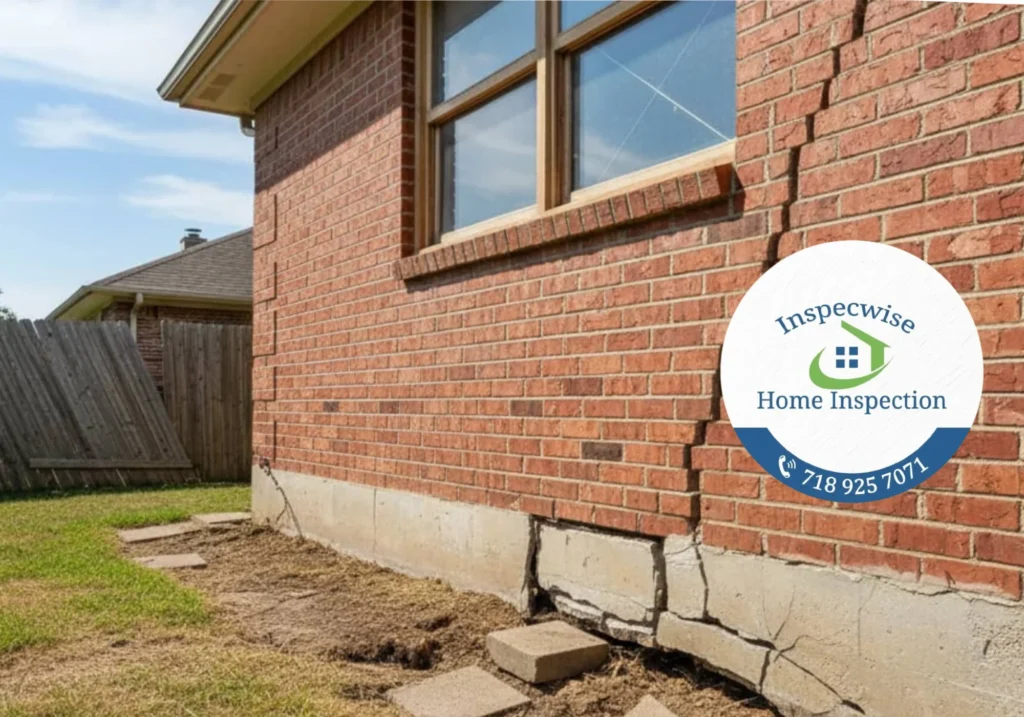
- Structural Infrastructure and Foundation Integrity: Inspectors utilize high-precision hydrostatic levels and laser alignment tools to measure foundation deflection, checking for differential settlement, shifting footings, and structural cracking along load-bearing masonry or poured concrete walls.
- Primary Mechanical and HVAC Systems: The property’s heating plant, commercial chillers, localized air handlers, and distribution ductwork are thoroughly evaluated for operational efficiency, heat exchanger integrity, exhaust flue safety, and localized carbon monoxide risks.
- Electrical Distribution and Service Panels: Inspectors remove distribution panel covers to directly evaluate wire sizing, branch circuit overcurrent protection devices, proper grounding and bonding mechanisms, and dangerous evidence of localized overheating, arc fault hazards, or unpermitted DIY alterations.
- Main Plumbing Infrastructure and Drainage Networks: The water supply lines, waste drainage stacks, venting systems, and main house traps are tested under full hydraulic load conditions to reveal hidden pressure drops, active pipe corrosion, slow drainage, or systemic layout violations.
- Roofing Assemblies, Flashings, and Building Envelope: The exterior roofing membrane whether a multi-layer modified bitumen flat roof common in NYC or an industrial synthetic rubber EPDM system is methodically evaluated alongside parapet walls, coping stones, counter-flashings, and drainage scuppers to detect latent water ponding or active moisture penetration.
Navigating the Hidden Pitfalls of Property Inspections
Property buyers must understand that architectural evaluations regularly uncover complex, hidden defects that require immediate tactical decisions. Identifying things that fail inspection gives buyers clear analytical data regarding the structural viability of the asset, highlighting everything from environmental mold growth to defective foundation walls. When these critical issues are identified before contract execution, they serve as powerful mechanisms to adjust purchase prices or establish comprehensive escrow holdbacks.
To protect your investments, buyers should develop a strategic list of questions to ask home inspector before the onsite evaluation begins, clarifying the scope of work regarding localized environmental testing and code compliance checks. Furthermore, understanding how long does a home inspection take is essential for coordinating timelines with building superintendents, property managers, and listing agents. A comprehensive, elite-level assessment of a multi-family asset or commercial building typically requires three to six hours of intensive on-site field testing, ensuring that every mechanical room, crawlspace, and roof deck is thoroughly cross-examined.
Environmental Hazards and Regulatory Compliance in the Five Boroughs
New York City property ownership carries a heavy burden of municipal regulatory compliance, with local agencies enforcing some of the strictest environmental and structural building mandates in the nation. For instance, any building featuring public-access facades rising over six stories must strictly adhere to the DOB’s FISP (Facade Inspection Safety Program), formerly known as Local Law 11. Failure to conduct these structural facade evaluations every five years results in compounding municipal penalties and immediate safety violations.
Simultaneously, commercial and residential real estate sectors are rapidly adapting to the sweeping mandates of Local Law 97, which establishes stringent carbon emissions caps on buildings exceeding 25,000 square feet. A premium property inspection must therefore evaluate the structural efficiency of the building envelope and the energy consumption profiles of the mechanical plants, protecting the buyer from facing immense annual environmental fines.
Beyond structural and emissions regulations, environmental health hazards represent a massive vector of financial and physical risk. Properties built before 1978 routinely contain legacy layers of toxic lead-based paint, which requires strict regulatory tracking under Local Law 1 guidelines, especially if the asset serves as a multi-family dwelling or childcare facility. Similarly, older heating pipe insulation, floor tiles, and roofing materials frequently contain volatile asbestos-containing materials (ACM). If these materials are disturbed during future structural renovations without undergoing specialized, licensed abatement protocols, the owner can face massive enforcement actions from the New York City Department of Environmental Protection (DEP).
Furthermore, moisture tracking via advanced thermal imaging cameras often reveals hidden sub-surface water pooling behind basement drywall partitions. This issue creates perfect breeding grounds for hazardous environmental mold spores, necessitating immediate structural waterproofing and specialized environmental mold remediation.

Why Choose Inspecwise
Inspecwise stands out as the premier, elite-level inspection authority across New York City and Long Island, offering unmatched technical precision, deep localized expertise, and sophisticated diagnostic workflows. Our elite team of certified inspectors possesses a profound, granular understanding of New York’s complex architectural styles, building codes, and evolving municipal regulations, ensuring that no structural liability or environmental hazard goes undetected. We deploy top-tier diagnostic technologies including advanced infrared thermography, digital moisture mapping, and combustion analysis tools to deliver comprehensive, highly scannable, and evidence-backed inspection reports that serve as ironclad negotiation instruments. Whether you are acquiring a historic Brooklyn brownstone, an expansive multi-family residential building in Queens, or a high-rise commercial asset in the heart of Manhattan, Inspecwise protects your capital and mitigates your risk profile with absolute clarity. Our unwavering commitment to engineering accuracy, professional integrity, and elite customer support makes us the trusted partner for real estate investors, asset managers, and discerning homebuyers seeking to dominate the competitive New York real estate market.
Serving All 5 Boroughs and Long Island: Manhattan • Brooklyn • Queens • The Bronx • Staten Island • Nassau County • Suffolk County
Call Inspecwise now: 718-925-7071
Licensed, Certified, and 100% NYC Local