How long does a home inspection take? In the incredibly fast-paced NYC real estate market, this is the first thing you need to know to keep your timeline on track. Before you close on a Manhattan co-op, a Brooklyn brownstone, or a single-family home in Queens, you must get the property thoroughly checked out.
For most standard residential properties, a professional home inspection takes between 2 to 4 hours to complete on-site. That said, this timeframe isn’t a hard and fast rule. How long the inspection actually takes depends entirely on the size of the home, how old it is, how complicated the plumbing and wiring are, and whether you are adding on extra checks like mold or asbestos testing.
This comprehensive, long-form guide will break down every element of the home inspection timeline. We will look at what happens during the physical walkthrough, explore the distinct regional challenges found across NYC housing stock, examine what factors extend or shorten the process, and detail how quickly you will receive your final written assessment report.
Quick Answer: Average Home Inspection Timelines by Property Type
To give you an immediate snapshot, the physical layout and structural classification of a piece of real estate are the primary drivers of the inspection clock. A studio condo does not require the same depth of structural and exterior evaluation as a century-old multi-family row house.
Here is the general breakdown of on-site time expectations across different types of New York properties:
- Condominiums and Co-op Apartments: 1 to 2 hours. Because the building association typically manages major structural components, the roof, and central heating plants, the inspector focuses heavily on the interior systems, individual plumbing fixtures, localized electrical panels, and appliance functionality.
- Single-Family Detached Homes: 2 to 3.5 hours. This standard timeline covers a top-to-bottom analysis, including the roof, complete exterior grading, foundation walls, basement space, attic structural framing, and dedicated HVAC equipment.
- Multi-Family Properties (2 to 4 Units): 3.5 to 5+ hours. Inspecting a multi-unit building takes a lot more time simply because there is more ground to cover. The inspector has to carefully check every single kitchen, multiple bathrooms, separate electrical panels, and all the complicated, shared plumbing and wiring running between the different apartments.
- Commercial Buildings: 4 to 8+ hours. When you step into the world of commercial real estate—whether you are looking at a busy retail storefront, a massive industrial warehouse, or a sprawling apartment complex the inspection process becomes a much bigger undertaking. Because these properties are built on such a massive scale, inspectors have to spend a significant amount of extra time carefully evaluating specialized commercial roofs, highly complex electrical grids designed to handle massive power loads, and thousands of additional square feet of space.
Hourly Breakdown: What Happens During the On-Site Walkthrough?
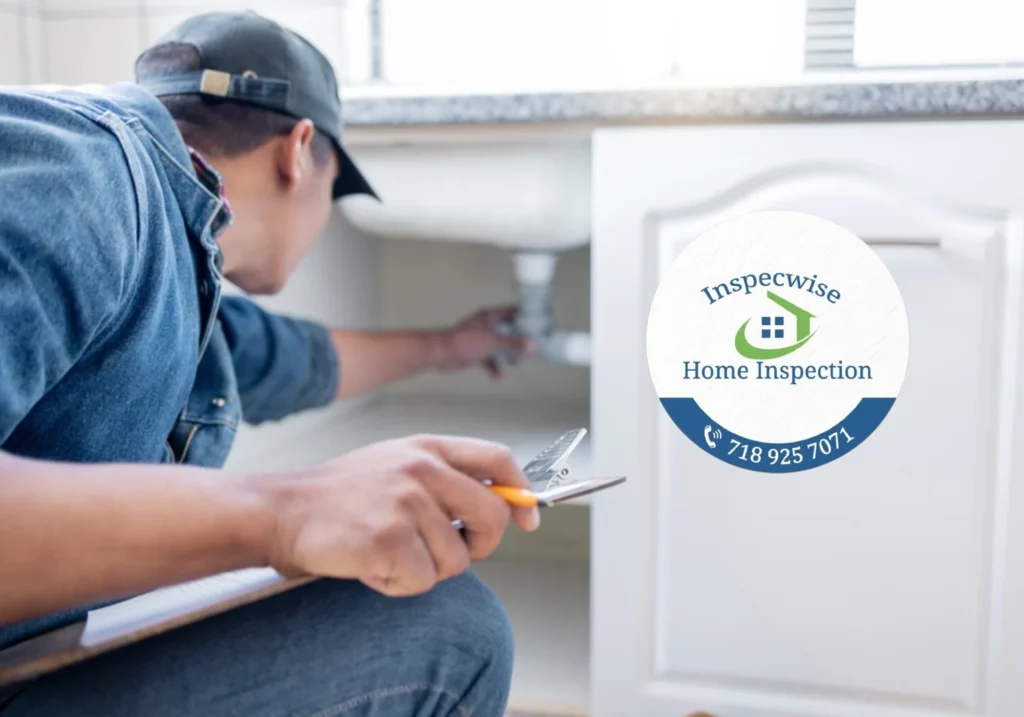
An experienced, certified property inspector does not just wander through a house looking at cosmetic finishes. They follow a rigorous, systematic checklist that ensures every accessible structural element and mechanical asset is thoroughly evaluated. To understand why the process takes several hours, it helps to see exactly what the inspector is doing during every phase of the physical property walkthrough.
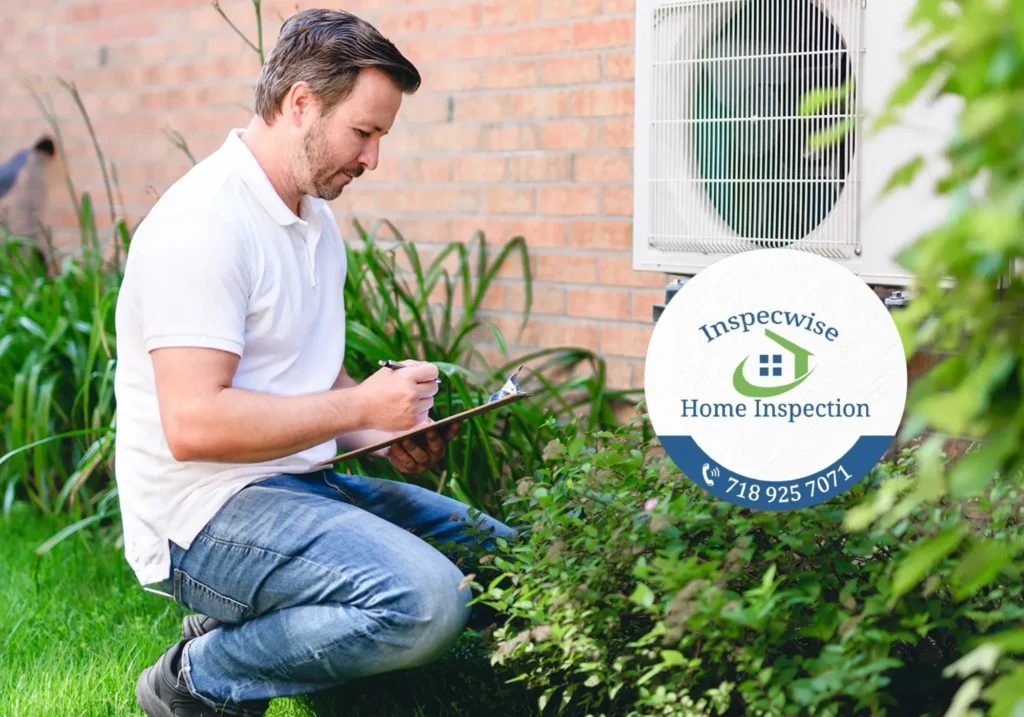
Phase 1: The Exterior Assessment (45 to 60 Minutes)
The inspector begins on the outside of the building. This phase is crucial because exterior defects often point to underlying structural movement or water infiltration risks.
- Roofing and Gutters: Checking the condition of architectural shingles or flat roof membranes, evaluating flashing details around chimneys, and inspecting gutters and downspouts for proper water drainage.
- Exterior Siding and Trim: Inspecting vinyl siding, brick veneers, stucco, or wood trim for signs of rot, physical damage, cracking, or pest entry points.
- Foundation and Grading: Examining visible concrete or stone foundation elements for structural settlement cracks and analyzing the slope of the land to ensure rainwater drains away from the basement walls.
- Patios, Decks, and Walkways: Looking at structural support posts, deck ledger boards, safety railings, and concrete walkways for trip hazards or structural decay.
Phase 2: Interior Structures and Living Spaces (45 to 75 Minutes)
Once the exterior check is complete, the inspector moves inside to assess the general safety and structural integrity of the main living areas.
- Walls, Ceilings, and Floors: Looking for physical signs of active water stains, bowing walls, sagging floors, or settlement cracks that indicate structural shifts.
- Windows and Doors: Testing a representative number of windows and entry doors to verify that they open, close, latch, and lock properly, while checking for broken thermal seals.
- Thermal Imaging Inspection: Utilizing advanced infrared cameras to scan hidden wall cavities for missing insulation, electrical hot spots, or hidden moisture plumes behind drywall.
Phase 3: Attics and Basements (30 to 45 Minutes)
The attic space and basement are often the most critical areas of an inspection because they expose the literal skeleton of the home.
- Attic Insulation and Ventilation: Checking for adequate R-value insulation depth, evaluating roof rafters for structural sagging or wood rot, and ensuring bathroom exhaust vents discharge directly to the outside rather than into the attic space.
- Basement Structural Components: Inspecting exposed floor joists, main support beams, steel columns, and looking closely for signs of historic or active water entry, efflorescence, or mold growth.
Phase 4: Mechanical, Electrical, and Plumbing Systems (45 to 60 Minutes)
This final phase focuses on the hidden workhorses of the property. Defective mechanical components can be incredibly expensive to replace, making this step vital for buyers.
- Electrical Safety Inspection: Removing the dead-front cover of the main service panel to inspect internal wiring, looking for unsafe double-tapped breakers, checking for outdated aluminum or knob-and-tube wiring, and testing GFCI outlets for proper grounding.
- Plumbing Systems: Running multiple fixtures simultaneously to evaluate water pressure, checking visible supply and waste pipes for active leaks or severe corrosion, and verifying the safety valves on the domestic water heater.
- HVAC Systems: Operating the heating plant and central cooling systems using standard thermostat controls to measure temperature differentials and verify proper operational cycles.
Key Factors That Can Extend or Shorten the Home Inspection Timeline
No two properties are identical. While an experienced professional can estimate a time frame, several on-site variables can cause an inspection to move faster or slow down significantly.
1. Overall Square Footage and Total Room Count
The size of the home is the most obvious variable. A larger footprint means more walls to scan, more outlets to test, more windows to operate, and a larger roof surface to evaluate. A sprawling suburban property will naturally take longer than a compact urban unit.
2. The Age of the Structure and Historic Housing Stock
Older properties require a much slower, more methodical approach. Structures built prior to the 1960s often feature a mix of original construction materials and decades of DIY structural modifications, outdated electrical panels, hidden plumbing leaks, or layers of renovated building assets.
3. General Cleanliness and Accessibility
An inspector can only evaluate what they can safely see and access. If an attic hatch is blocked by heavy storage boxes, if a basement wall is covered by floor-to-ceiling clutter, or if the main electrical panel is hidden behind large furniture, the process slows down. The inspector must either wait for items to be moved or document the area as inaccessible, which can delay the overall transaction.
4. Current Weather Conditions
Inclement weather can alter the flow of an inspection. Heavy rain, high winds, or accumulated winter snow can make climbing a roof unsafe, forcing the inspector to evaluate the roofing materials from ground level using high-powered binoculars or scheduling a follow-up check. Extreme cold can also delay the testing of air conditioning units, as running a compressor in low temperatures can cause severe mechanical damage.
Local Regional Analysis: How New York Housing Stock Changes the Clock
The specific neighborhood where the real estate sits plays a direct role in determining the pace of a home inspection. Different parts of the New York metropolitan region feature vastly different architectural styles and building methods, each presenting unique structural challenges.
Manhattan: Co-ops, Condos, and Access Challenges
When performing a property assessment in Manhattan, inspectors deal almost exclusively with high-rise co-ops and condominiums.
- What shortens the time: The inspector does not have to climb onto a skyscraper roof or evaluate a massive exterior foundation wall.
- What lengthens the time: Navigating strict building security, waiting for service elevators, and locating shared utility spaces or sub-panels can add administrative delays to the physical walkthrough. Inspectors also focus intently on identifying historic knob-and-tube wiring remnants hidden within old plaster walls.
Brooklyn: Historic Brownstones and Attached Row Homes
Brooklyn real estate is famous for its gorgeous historic brownstones, pre-war apartment buildings, and attached row homes.
- The Challenges: These older buildings often require a structural engineer home inspection mindset due to sagging floor joists, aging brick party walls, and settling foundations. Flat roofs on attached homes require checking for old, ponding water damage, while ancient oil-heated boilers and aging plumbing layouts demand extra time and scrutiny.
Queens: Attached Row Houses and Older Detached Single-Family Homes
Queens features a diverse mix of housing, from dense attached row houses in Ridgewood to older detached single-family homes in Flushing and Jamaica.
- The Challenges: Many homes in Queens were built between the 1920s and 1950s. Inspectors frequently run into basement water issues caused by high water tables or poor local drainage, along with outdated electrical panels that are inadequate for modern appliances. Checking shared walls and verifying property entry lines can add extra complexity to the walkthrough.
The Bronx: Multi-Family Homes and Steep Grade Variations
The Bronx contains a high concentration of multi-family investment properties, walk-ups, and homes built on rolling terrain.
- The Challenges: Inspecting a multi-unit property means testing multiple kitchens and bathrooms, which naturally expands the timeline. Additionally, steep grade transitions across the borough can create distinct structural challenges and drainage issues along basement foundation walls, requiring careful exterior evaluation.
Staten Island and Long Island (Nassau & Suffolk Counties): Suburban Footprints
Moving out to Staten Island, Nassau County, and Suffolk County, the real estate transitions into a more traditional suburban style.
- The Challenges: These homes have larger overall footprints with expansive lawns, detached garages, and full exterior perimeters to walk. Properties in these areas especially older 1940s–1970s builds often require specialized add-on environmental testing like radon testing home inspection services or comprehensive mold inspections.
Add-On Services That Can Increase the Inspection Time
A standard property assessment covers the visible components of the building. However, many buyers choose to add specialized diagnostic testing to protect their investment, which can alter the overall on-site timeline.
- During the walkthrough of the old property, the buyer opted for a Home Mold Inspection because of a faint, damp smell lingering in the basement.
- The real estate agent reminded the sellers not to open any basement windows over the weekend so the Radon Testing equipment could gather accurate data.
- Before finalizing the purchase of the downtown office building, the investors ordered a Commercial Sewer Scope Inspection to ensure the underground waste lines weren’t blocked by tree roots.
Understanding the Timeline After the Inspection: The Written Report
The property assessment does not end when the inspector packs up their tools on-site. The data gathered during the physical walkthrough must be carefully analyzed, organized, and compiled into a formal document.
1. Generating the Digital Home Inspection Report
A high-quality report includes clear descriptions of every system, categorized summaries of defects (distinguishing between minor maintenance items and major safety hazards), and high-resolution digital photographs with clear markup arrows. Compiling this data thoroughly takes time. While some low-cost operations might rush out a generic template on-site, a detailed, customized digital report is typically delivered within 24 hours of the completion of the physical walkthrough.
2. How the Real Estate Inspection Impacts Your Closing Timeline
Once you receive the completed report, your real estate attorney will review the findings to see if any major issues can be used to renegotiate the purchase price or request seller credits. The entire inspection contingency phase from booking the appointment to finalizing negotiations usually takes about 5 to 7 business days within a standard real estate transaction contract.
Why Choose Inspecwise?
When you are investing in New York real estate, you cannot afford to hire a property inspector who rushes through the job or delivers a generic, hard-to-read report. Choosing the right team to evaluate your future home makes all the difference.
Here is why Inspecwise Home Inspection stands out as New York’s premier choice:
- Deep Local Knowledge of New York Housing Stock: We understand the unique architectural features and structural challenges specific to NYC and Long Island. Whether it is managing access rules in a Manhattan co-op, inspecting the foundation of a historic Brooklyn brownstone, or checking for basement water entry in a Queens single-family home, our local expertise ensures no detail is overlooked.
- Fully Certified and Licensed Professional Team: Every inspector on our team is fully licensed by the State of New York, carries professional liability and general liability insurance, and holds advanced credentials from top industry bodies like InterNACHI.
- Advanced Technology Included: We do not rely on guesswork. We utilize high-tech tools, including thermal imaging cameras and precise moisture meters, to detect hidden electrical issues, missing insulation, or active leaks hidden deep within wall cavities.
- Guaranteed 24-Hour Report Delivery: The New York real estate market moves fast, and delays can cost you your dream home. We guarantee to deliver a detailed, easy-to-read, comprehensive digital report complete with clear photos and defect categories within 24 hours of your inspection.
- Flawless 5-Star Reputation: Our commitment to thoroughness, clarity, and exceptional customer service has earned us a perfect 5.0-star rating on Google from homeowners, investors, and real estate professionals across the region.
Protect your investment and gain complete peace of mind before you sign on the dotted line. Contact Inspecwise Home Inspection at 718-925-7071 today to discuss your property or to schedule your same-week appointment.
Serving All 5 Boroughs and Long Island: Manhattan • Brooklyn • Queens • The Bronx • Staten Island • Nassau County • Suffolk County
Call Inspecwise now: 718-925-7071
Licensed, Certified, and 100% NYC Local