Home Inspection Manhattan is the most critical safeguard for anyone looking to invest in the complex and high stakes world of New York City real estate. Whether you are eyeing a luxury penthouse overlooking Central Park or a modern condo in Chelsea, the unique structural landscape of the island demands an expert eye. Manhattan is not like any other residential market; it is a dense vertical jungle where aging infrastructure meets cutting-edge architecture, and what you see on the surface rarely tells the whole story of what lies behind the drywall or beneath the floorboards.
Navigating the local market requires more than just financial readiness; it requires technical due diligence. In a borough where square footage comes at a premium, ensuring that every inch of your potential home is safe functional and compliant with local codes is the difference between a dream home and a costly liability. This guide covers how home inspections actually work in the city and what we look for to make sure you are not walking into a money pit.
The Manhattan Real Estate Reality: Beyond the Aesthetics
Manhattan apartments are stunning, but beauty is usually only skin-deep. Since many of these buildings have been around for over a hundred years, we look past the high ceilings to find the ‘old building’ problems that a renovation might be covering up. A residential inspection in this borough is not just about looking for leaky faucets it is about understanding how a specific unit interacts with a massive shared building system.
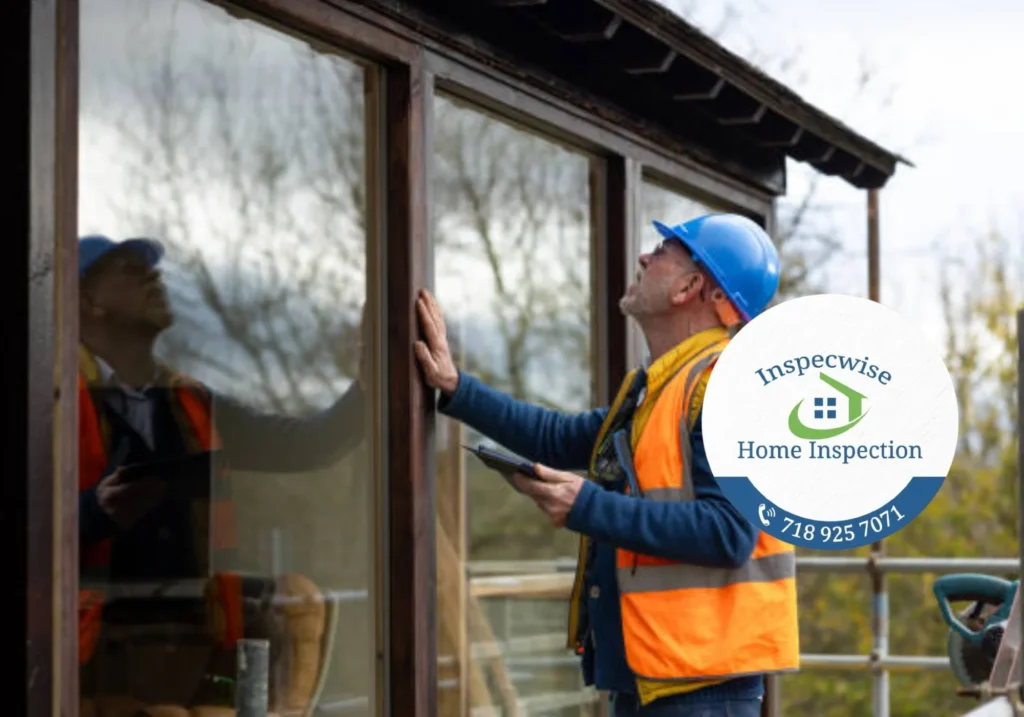
Living in the city means sharing your vitals with the neighbors. We don’t just look at your floors and walls; we evaluate the shared risers and steam heat that run through the whole building to make sure they won’t cause you trouble later. They look for signs of past water damage a common occurrence in vertical living and check for the presence of outdated electrical components that may not handle the load of modern appliances.
Why Professional Evaluation is Non-Negotiable
The competitive nature of the New York market often pressures buyers to move fast sometimes tempting them to skip the inspection contingency. Going in blind is a huge gamble. You need someone in your corner who does not care about the sale and can give you the cold hard truth about what kind of shape the building is actually in. It covers everything from the integrity of the windows and the functionality of the electrical panel to the presence of environmental hazards.
We look past the layout to find the stuff that actually affects your day-to-day life like noise and air quality. Our job is to make sure your new home is quiet and 100% up to code so you don’t inherit a legal headache.
Structural Nuances of Different Building Types
Manhattan offers a variety of living structures, each with its own set of potential “red flags.” Understanding these differences is a core part of a high quality inspection process.
Pre-War Cooperatives and Condos
Everyone loves the charm and solid walls of a pre-war building, but you have to look at what’s behind them. These places are famous for aging pipes that ‘rot’ from the inside, which kills your water pressure and leads to hidden leaks that can get very expensive, very fast. Inspectors pay close attention to the “wet” areas kitchens and bathrooms to ensure that decades of “handyman” repairs haven’t compromised the safety of the unit.
Post-War High-Rises
Buildings from the 1950s through the 1980s often utilize different materials such as cinderblock partitions and parquet flooring. A common issue in these structures is the aging of the HVAC convector units usually found under windows. You don’t want to find out these are failing after you move in. They’re expensive to fix and even more expensive when a leak destroys your floors and ends up coming through the ceiling downstairs.
Modern Luxury New Construction
You might assume a brand new building doesn’t need an inspection, but the opposite is often true. When builders are in a rush they get sloppy. We catch what the contractors missed windows that leak air, vents that do not flow and outlets that are not even safe to use. We are there to make sure new actually means done right. Catching these before the closing allows you to hold the developer accountable.
Key Components of a Manhattan Residential Inspection
We don’t just walk through the rooms; we follow a strict system to make sure nothing gets missed. Every apartment has its own quirks, but we always deep-dive into these five ‘deal-breaker’ areas:
- The Electrical: We make sure your electrical system can keep up with your lifestyle. We look for old unreliable wiring and test the outlets to ensure the whole place is safely powered and up to modern standards.
- Plumbing: It’s more than just seeing if the water runs. We check the pressure, make sure the drains aren’t sluggish, and look for those tiny, hidden leaks that eventually turn into mold.
- Heating & Cooling: We put the heating and cooling systems through their paces. Whether it is an original radiator or a modern unit we verify that it’s strong enough to keep the whole apartment comfortable no matter what the weather is doing outside.
- The Walls & Floors: We look past the fresh paint. By testing every door and window we can tell if the frames are warped. Sloping floors or cracks in the drywall are often the first signs that a building is shifting, and we treat every ‘weird’ stain like a clue to a leak that’s hiding out of sight.
- Safety Gear: We handle the safety checklist for you. We double check that all the required alarms and window guards are installed and working, ensuring your new home is 100% legal and ready for you to move in safely on day one.
Environmental Considerations in the City
Look, in Manhattan, lead paint and asbestos basically come with the territory. Most of the time, they aren’t an issue if they’re just sitting behind a wall or under layers of paint, but we’ll show you exactly where a future renovation might stir things up.
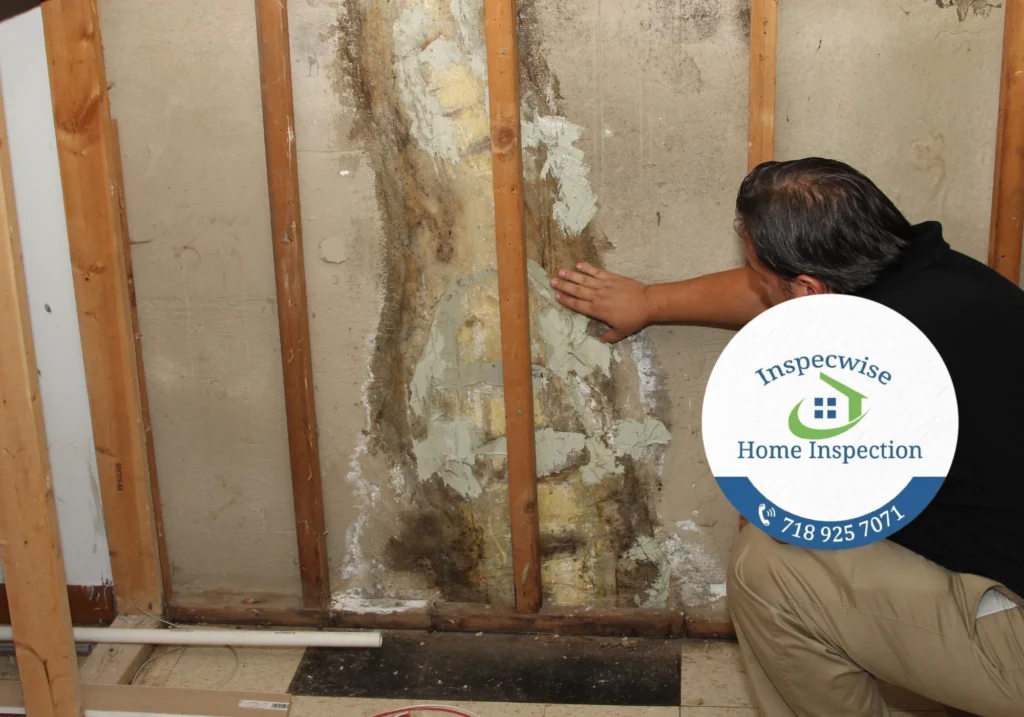
We’re also big on hunting down mold. Between the city’s humidity and everyone sharing the same old pipes, a tiny drip from the guy upstairs can turn into a disaster behind your drywall. Our thermal cameras catch what the naked eye misses. We track down damp spots hidden deep in the walls, stopping a small leak before it turns into an expensive disaster.
The Financial Impact: Leverage and Protection
Think of your inspection report as more than just a list of problems it is your best friend during the final walk-through. If we find something serious, you have the proof you need to ask the seller to drop the price or fix the issue before you sign on the dotted line. Especially in Manhattan, where a “simple” repair can easily cost more than a used car, a few hundred dollars now can literally save you tens of thousands later.
The report also acts as your owner’s manual for the next few years. Instead of playing a guessing game with your maintenance you get a clear roadmap that separates the must fix now from the can wait until later. Getting the keys is just the start. This is about protecting your bank account and making sure that when it’s time to sell, your apartment has actually gained value instead of losing it to hidden problems.
Bridging the Gap: From Residential to Commercial Needs
Most people are just looking for a place to live, but let’s be real in Manhattan, every square foot is an investment. The same sharp eye we use to inspect your dream home is exactly what you need when you’re scouting out larger commercial opportunities. We know how this city’s infrastructure works whether it is a one bedroom condo or a full scale business asset. For investors who are transitioning from purchasing a single condo to acquiring an entire multi-family building or a storefront a Commercial Inspection Manhattan becomes the next logical step.
Whether you are buying a place to call home or a commercial space to grow your business the stakes in Manhattan are always high. We bring that same level of “under-the-hood” scrutiny to both, making sure you aren’t walking into a code violation nightmare or a structural money pit.
Think of us as your eyes and ears across all your real estate ventures. Having a partner who understands the DNA of New York buildings from high-rise offices to pre-war condos gives you the confidence to know that every investment you make here is sitting on a rock-solid foundation.
Preparing for Your Inspection Day
To get the most out of your Home Inspection Manhattan, it is recommended that the buyer attends the walk-through. This is an educational opportunity to learn about the specific quirks of your new home. You can ask the inspector how to shut off the water in an emergency, how to change the filters in your AC unit, and how to interpret the various sounds the building makes.
Before the inspector arrives ensure that all areas of the unit are accessible. This means clearing clutter away from the electrical panel and any access closets for HVAC equipment. The more access an inspector has the more accurate the final report will be.
Understanding the Final Report
A professional report will be divided into clear sections, highlighting “Material Defects,” “Major Concerns,” and “Maintenance Items.” It is important not to panic when seeing a long list of notes. No home is perfect especially in Manhattan.At the end of the day, we want you to have the full story. This report is not just a list of technical specs it is the ground truth about the property giving you the clarity you need to decide your next move with total confidence.
We cut through the noise and check the high-stakes systems first. An electrical panel that is a fire hazard or a pervasive mold issue is a much higher priority. Your inspector will help you distinguish between what is a deal breaker and what is simply part of the character of living in an older Manhattan building.
Choosing the Right Partner for the Journey
In a city where everyone is selling something you need an inspector who is actually on your side. It’s not just about having a New York State license; it’s about knowing the “quirks” of Manhattan buildings from century-old brownstones to glass-and-steel high-rises.You deserve an inspector who speaks your language and tells it like it is. Since we aren’t tied to the deal, our only priority is looking out for your wallet and your peace of mind.
Inspecwise bridges the gap between technical expertise and local intuition. We know the Manhattan market inside and out, providing the grit and the ‘insider’ perspective you need to buy with confidence. Our goal is simple: we want you to walk into that closing room feeling completely sure of yourself. When you sign that contract, you’ll know exactly what you’re buying, from the foundation up.
Serving all Manhattan Neighborhoods: Financial District • Tribeca • SoHo • Greenwich Village • Chelsea • Hell’s Kitchen • Upper West Side • Upper East Side • Harlem • Washington Heights
Call Inspecwise now: 718-925-7071
Licensed, Certified, and 100% NYC Local