
Septic system inspection upstate NY demands a meticulous, highly specialized technical approach that vastly differs from standard municipal sewer assessments found within the five boroughs. For real estate investors, commercial developers, and high-end residential buyers expanding their portfolios beyond the city, transitioning from urban infrastructure to decentralized wastewater treatment systems introduces critical structural, financial, and regulatory liabilities. Failing to thoroughly evaluate an underground subsurface sewage treatment system before completing a property transaction can result in catastrophic environmental contamination, immediate municipal condemnation, and remediation costs that easily climb into tens of thousands of dollars. Across the diverse geographic landscapes of the Hudson Valley, the Catskills, and the Adirondacks, soil composition variations, aggressive winter freeze lines, and strict regional watershed overlays dictate the operational viability of these systems.
Understanding the specific mechanics of rural wastewater management requires a complete departure from the “flush-and-forget” mentality of urban grid connectivity. An individual on-site wastewater treatment system relies on a delicate balance of mechanical separation and biological digestion, transforming raw household effluent into purified groundwater. When evaluating a new acquisition, the investment must be viewed as purchasing an active, subterranean biological processing plant that is highly sensitive to environmental conditions, soil absorption capacities, and legal usage restrictions. Navigating this transition smoothly requires integrating comprehensive environmental due diligence into your broader real estate acquisition strategy, much like assessing a commercial asset or executing a mixed use building inspection to identify hidden infrastructure deficits before closing the deal.
Anatomical Components of Decentralized Wastewater Infrastructure
A professional onsite wastewater evaluation begins with a systematic analysis of the primary structural components that comprise a standard residential or commercial subsurface system. The process initiates at the building sewer line, where wastewater exits the foundation through a solid cast iron or schedule 40 polyvinyl chloride pipe. Inspectors utilize high-resolution push-camera diagnostics to verify that this line maintains a proper downward slope of one-quarter inch per foot toward the primary treatment vessel. This structural gradient is essential; an improper slope slows effluent transit, leading to localized solid accumulations, structural pipe sags, and recurring subterranean blockages beneath the frost line.
The centerpiece of the infrastructure is the solid containment vessel, historically fabricated from coated steel or clay brick, but universally specified as heavy-duty precast reinforced concrete or thick high-density polyethylene in modern installations. This tank functions as a quiescent settling chamber where anaerobic bacteria break down complex organic compounds. Within this vessel, gravity divides the incoming effluent into three distinct, highly measurable strata:
- The Scum Layer: An upper buoyant accumulation composed of light solids, complex lipids, cooking oils, industrial grease, and low-density household waste that floats on the surface.
- The Clarified Effluent Zone: A middle liquid stratum that has been cleared of heavy suspended solids, containing dissolved organic nutrients, microscopic pathogens, and dissolved salts.
- The Sludge Layer: A bottom dense deposition consisting of heavy organic matter, inert particulate debris, and biological byproducts that undergo slow anaerobic decomposition.
As raw sewage enters the vessel, structural internal baffles or modern plastic sanitary tees placed at the inlet and outlet ports isolate the turbulence. This prevention mechanism ensures the floating scum and heavy bottom sludge remain securely inside the chamber, allowing only the clarified middle liquid layer to escape through the outlet. Modern high-end configurations feature an effluent filter inserted directly into the outlet tee to catch fine particulate matter before it can exit, preventing premature clogging of the secondary treatment components down the line.
From the containment vessel, the clarified wastewater flows via gravity or an automated dosing pump into the distribution box, commonly referred to by field engineers as the D-box. This concrete or plastic terminal component features a level interior floor and multiple adjustable outlet ports designed to divide the incoming liquid volume into equal streams. Precise horizontal leveling of the D-box is critical; a tilt of mere fractions of an inch redirects the entire hydraulic load into a single downstream channel, rapidly blinding the soil in that specific area while leaving the remaining sections completely underutilized.
The finalized stage of purification occurs within the absorption field, a subsurface network of perforated distribution pipes laid inside excavated trenches filled with washed crushed stone, gravel, or gravelless synthetic chambers. This field relies on the surrounding soil profile to perform final filtration and biological purification. As the liquid slowly seeps through the gravel and trickles into the underlying soil matrix, a highly active biomat a specialized layer of aerobic bacteria, fungi, and micro-organisms forms along the trench bottom. This biological layer feeds on organic matter and neutralizes harmful pathogens, ensuring that the water re-entering the regional water table is thoroughly purified and free of contaminants.
Soil Mechanics and Regional Geographic Challenges
The operational lifespan of an individual wastewater system is directly tied to the geology, soil profile, and climate of the region where it is installed. New York State presents an incredibly diverse geological terrain, forcing inspectors to evaluate systems through the lens of local soil mechanics. For example, a property situated within the rocky expanses of the Hudson Highlands or the high-elevation zones of the Catskill Mountains often features shallow soil depths over dense, impermeable granitic bedrock. In these environments, traditional deep-trench systems are completely unviable, requiring specialized shallow-placed absorption networks, elevated sand mounds, or advanced engineered aerobic treatment units that utilize mechanical aeration to purify effluent before it reaches the restricted natural soil.
Conversely, properties located across the central Finger Lakes region or sections of the North Country frequently sit atop tight, heavy lacustrine clays or compacted glacial till. These tight soils exhibit incredibly slow liquid absorption capacities, known technically as poor percolation rates. When dealing with heavy clay profiles, wastewater remains trapped within the trenches for extended periods rather than filtering downward, leading to chronic anaerobic saturation, structural root intrusion, and premature biomat failure. Buyers targeting large-scale commercial structures must account for these soil dynamics just as they would evaluate multi-family apartment inspection risks, checking for foundational stability, local water table heights, and structural drainage issues before committing capital.
Climate variables add another layer of operational strain that inspectors must carefully evaluate during a field assessment. In northern regions, winter frost depths routinely penetrate forty-two to over sixty inches into the earth, requiring all transport piping, containment vessels, and distribution components to be positioned well below this freezing line. For seasonal estates, historical fishing cabins, or corporate retreat centers that sit empty during winter, this deep frost poses a major structural risk. Without a continuous influx of warm household wastewater to maintain internal temperatures, stagnant liquid trapped inside shallow lines or uninsulated access risers can freeze solid, causing pipes to crack, joints to separate, and backup failures to emerge once the spring thaw arrives.
Furthermore, properties located within close proximity to major freshwater bodies such as the shoreline developments along Lake George, Lake Champlain, or the pristine finger lakes face exceptionally tight environmental protections. These waterfront zones are highly sensitive to nutrient loading from failing infrastructure, which can leach phosphorus and nitrogen directly into the water, triggering massive toxic blue-green algae blooms. Consequently, regional authorities like the Lake George Park Commission mandate strict, recurring five-year mandatory inspection and pumping intervals. In these protected basins, old-style metal tanks, hand-dug cesspools, or any system lacking a proper soil absorption field are classified as immediate environmental failures, requiring immediate upgrades to advanced alternative treatment systems equipped with built-in phosphorus reduction technology.
Regulatory Overlays and Watershed Protections
Executing a proper evaluation requires a deep understanding of the interlocking local, county, and state regulatory frameworks that govern on-site wastewater disposal. The baseline standard across the state is established by the New York State Department of Health under Appendix 75-A of the State Sanitary Code. This regulation mandates explicit design guidelines, minimum tank capacities based on bedroom counts, and strict physical separation distances from geographic features. For instance, a standard residential containment vessel must maintain a minimum horizontal setback of fifty feet from any private water well, ten feet from property boundaries, and one hundred feet from any surface watercourse, lake, or regulated wetland area.
While Appendix 75-A dictates the statewide baseline, day-to-day administrative permitting, field engineering reviews, and final construction sign-offs are managed directly by individual county health departments or regional state district offices. Property buyers must be aware that many counties impose rules that are significantly more restrictive than the state floor. For example, Westchester County enforces highly detailed oversight regarding individual system remediations, requiring comprehensive engineered plans bearing the original stamp of a licensed Professional Engineer or Registered Architect for even basic component replacements.
The regulatory environment becomes exceptionally intense if a target property falls inside the massive New York City Watershed west of the Hudson River. Covering vast portions of Delaware, Sullivan, Ulster, and Schoharie counties, this protected region supplies clean drinking water to millions of downstate residents. As a result, the New York City Department of Environmental Protection enforces its own strict Watershed Regulations as an additional layer over local county codes. The DEP exercises absolute review authority over any subsurface system handling flows within these boundaries, setting strict limits on steep slope installations and requiring double the standard horizontal setbacks from streams and reservoirs.
Navigating these complex regulations requires a highly professional approach, as code violations can stall real estate transactions and trigger steep municipal fines. For buyers managing complex commercial portfolios that span multiple jurisdictions, partnering with a multi-disciplined inspection authority is critical to keeping deals moving forward. If your investments include regional logistics centers or coastal retail assets, securing an expert shopping center inspection long island ensures that every compliance detail from local environmental codes to complex commercial zoning laws is completely covered before closing.
Diagnostic Field Methodologies and Field Testing
A professional evaluation goes far beyond a simple visual confirmation of a green lawn; it requires a highly structured, sequence-driven field protocol using advanced diagnostic tools. The process begins with historical research, pulling original health department permits, property survey maps, and historical maintenance logs to verify the system’s exact age, design capacity, and layout. Once on-site, the inspector uses electronic locating transmitters or digital ground probes to locate the exact position of the underground containment vessel, the distribution box, and the perimeter of the absorption field.
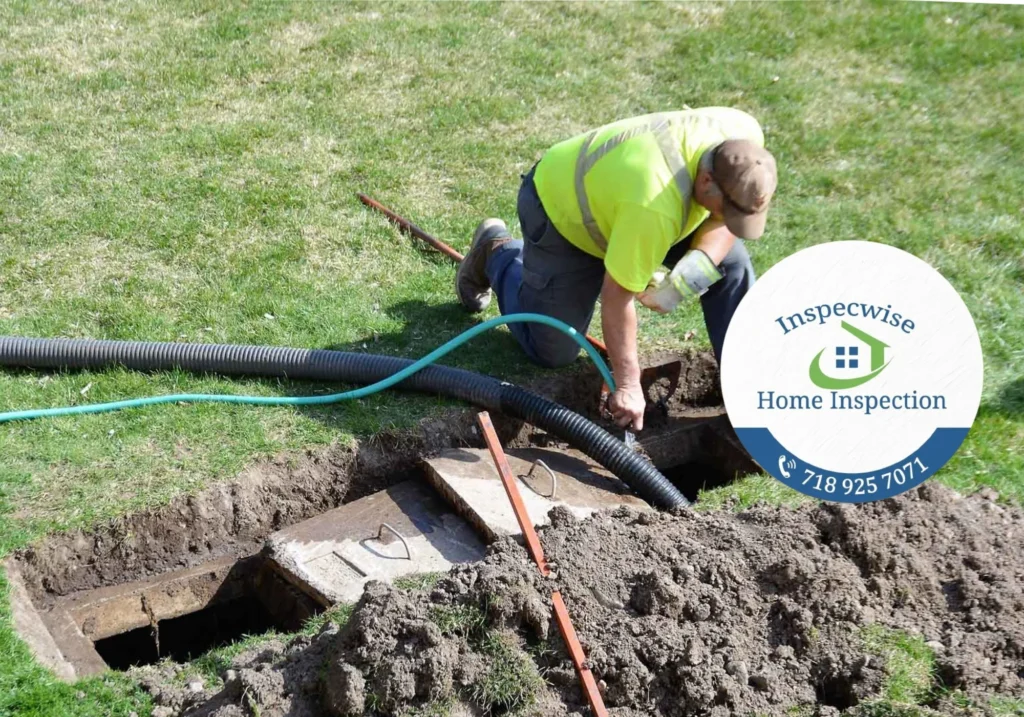
With the system components fully located, the field crew uncovers the primary access ports to perform an open-tank visual analysis. This stage is critical for assessing structural integrity and checking the liquid operating level inside the main chamber. An abnormally low liquid level indicates a structural crack or breach in the tank walls, which allows unpurified wastewater to leak directly into the surrounding soil. Conversely, an elevated water level indicating that the liquid stands well above the top of the outlet pipe reveals a major downstream restriction, pointing to a blocked effluent filter, a collapsed transport line, or an entirely saturated absorption field that can no longer absorb liquid.
To accurately determine the structural health of the absorption trenches, the inspector executes a comprehensive hydraulic load test. This diagnostic process involves introducing a controlled volume of water typically between two hundred and three hundred gallons, often mixed with a non-toxic fluorescent tracing dye into the system over a set timeframe. This process simulates the high-volume water surges generated by modern households during peak usage hours. While the water is running, the inspector closely monitors the distribution box to ensure equal fluid division and walks the absorption field to check for signs of failure, such as surfacing effluent, spongy soil conditions, or bright green vegetation zones that indicate a complete breakdown of the subsurface purification matrix.
Finally, the inspector inserts a high-definition fiber-optic push-camera directly into the solid transport lines and distribution pipes. This visual inspection allows the technician to look inside the buried lines, checking for structural pipe deflections, separated joints, heavy interior scale buildup, or intrusive tree root systems that enter through minor pipe fractures. By mapping out the interior condition of the infrastructure, the inspector can definitively confirm whether the system is functioning properly or if hidden, high-cost structural failures are lurking beneath the surface.
Forensic Troubleshooting and Failure Analysis
When an on-site wastewater system fails, the financial impact can be devastating, making early forensic troubleshooting a vital part of any property assessment. Failures generally fall into two categories: structural mechanical breakdowns or biological soil failures. Mechanical failures are usually easier to diagnose, involving physical issues like dropped internal concrete baffles, cracked inlet piping caused by shifting soil soils, or collapsed distribution lines triggered by heavy vehicles driving over the protected absorption area. These structural failures can often be repaired by targeting the damaged components directly, avoiding the need for a complete system replacement.
Biological soil failure, commonly known as absorption field blinding, is a much more complex and expensive issue to remediate. This condition occurs when the underground soil trenches are continuously overloaded with organic solids, grease, or heavy chemical agents, causing the natural biomat layer to grow excessively thick and impermeable. As the biomat seals off the natural pores in the soil, clarified wastewater can no longer filter downward, causing the liquid to back up into the main tank or force its way to the ground surface. This results in standard failure signs, such as:
- Surface Pooling: Dark, nutrient-rich water surfacing directly over the absorption trenches, often accompanied by distinct sewer odors.
- Fixtural Backups: Sluggish drainage, gurgling sounds within household plumbing lines, or raw sewage backing up into low-level basement drains.
- Biomat Suffocation: Continuous high-water markings inside the primary containment vessel, showing that the absorption field can no longer handle standard daily water volumes.
Fixing a completely blinded absorption field usually requires extensive excavation to replace the clogged soil, or installing an expensive alternative system. Homeowners often try to avoid these high costs by using commercial chemical additives that claim to instantly clear clogs and restore field performance. However, top environmental engineers and New York State authorities strongly advise against using these treatments. Many of these products contain harsh synthetic solvents, strong acids, or heavy petroleum distillates that disrupt the natural anaerobic digestion inside the tank and strip away the beneficial bacteria needed to break down waste.
Worse yet, these chemical solvents can cause trapped grease and fine organic solids to break apart and liquefy, allowing them to pass directly out of the tank and settle deeper into the soil trenches. This creates a severe secondary clog that permanently ruins the field’s natural drainage capacity. Additionally, these harsh chemicals can leach through the soil profile and enter the underlying groundwater, contaminating nearby drinking wells and exposing the property owner to severe environmental liability and steep municipal cleanup fines.
Pre-Purchase Due Diligence and Capital Risk Mitigation
For real estate buyers and institutional investors, integrating a professional wastewater system evaluation into the pre-purchase due diligence phase is the ultimate defense against unexpected capital expenses. Relying on standard home inspection templates is a major risk, as standard property inspectors generally lack the advanced equipment, heavy excavation tools, and specific wastewater certifications required to perform a comprehensive subterranean infrastructure review. Buyers must ensure that their purchase contracts include a specific septic contingency clause, granting authorized technicians full access to dig up access covers, run high-volume hydraulic stress tests, and perform complete camera diagnostics before the transaction is finalized.
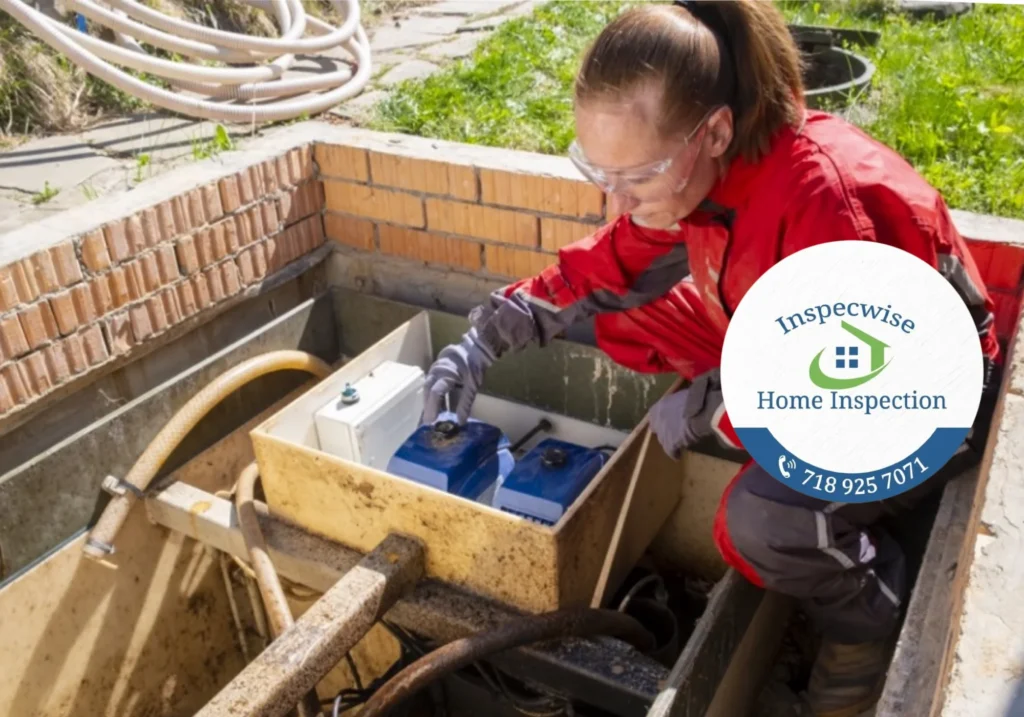
A crucial requirement of a pre-purchase inspection is that the containment vessel must be completely pumped out by a state-licensed waste hauler during the evaluation. This pump-out must be timed strategically; the inspector must first observe the system under normal hydraulic load to evaluate the drainage fields, and then have the tank emptied to perform a thorough structural analysis of the empty vault. Pumping the tank reveals hidden issues that are impossible to see through standing liquid, such as hair-line structural fractures, rusted steel components, leaking seams, or groundwater leaking into the tank through worn joints.
Furthermore, buyers must verify that the property’s physical layout matches the official documentation on file with the county health department. Over years of ownership, unpermitted structural changes such as adding bedrooms, building detached guest suites, or converting basements into rental units can dangerously overload an on-site wastewater system designed for a much smaller footprint. If an unpermitted expansion exceeds the system’s legal design flow, regional authorities can halt future sales, deny building permits, or require an immediate, high-cost system overhaul to bring the property into legal compliance.
By identifying these underlying infrastructure issues, structural overloads, and code compliance gaps before closing, buyers gain powerful leverage during price negotiations. Discovering a failing absorption field or a cracked containment vessel prior to contract signing allows the buyer to require the seller to fund a complete replacement before closing, or secure a significant price reduction to cover the future capital expense. Managing these hidden infrastructure risks with professional diagnostics ensures your capital remains protected, whether you are acquiring a rural estate or evaluating a commercial asset through a detailed mixed use building inspection.
Why Choose Inspecwise
Inspecwise stands as the premier property inspection authority across New York State, delivering an elite standard of technical precision, local expertise, and comprehensive risk mitigation for both complex commercial assets and high-end residential estates. Our elite field technicians possess a deep understanding of interlocking municipal codes, unique regional soil mechanics, and the stringent environmental protections governing critical watershed zones. By utilizing cutting-edge diagnostic technology including high-resolution fiber-optic pipe cameras, electronic locating systems, and precise hydraulic stress testing we uncover hidden infrastructure deficits that standard inspection firms routinely miss. Every assessment we conduct delivers a clear, highly detailed digital report that translates complex technical data into actionable business insights, ensuring your real estate investments are fully protected. Whether you are executing a sophisticated mixed use building inspection in the city, evaluating a multi-family apartment complex, or purchasing an upstate estate, Inspecwise provides the definitive clarity and elite oversight required to secure your portfolio with absolute confidence.
Serving All 5 Boroughs and Long Island: Manhattan • Brooklyn • Queens • The Bronx • Staten Island • Nassau County • Suffolk County
Call Inspecwise now: 718-925-7071
Licensed, Certified, and 100% NYC Local