Black Mold Inspection New York property management companies, landlords, and commercial investors require is an intensive, forensically detailed process designed to mitigate severe liabilities, protect tenant health, and ensure strict compliance with evolving municipal frameworks. In the dense, high-stakes environment of the five boroughs, indoor air quality hazards cannot be treated as mere cosmetic blemishes or minor maintenance issues. The unique architecture of the metropolitan landscape, ranging from centuries-old pre-war masonry multi-family assets to sprawling modern commercial high-rises, creates highly specific microclimates that facilitate the rapid proliferation of toxic microfungi. When structural envelopes fail, or interior moisture containment systems break down, the results are catastrophic for both human health and physical asset integrity. Proactive asset protection demands an unparalleled level of engineering-grade insight to identify, quantify, and address these microscopic vectors before they escalate into structural failures or high-risk litigation.
Uncontrolled fungal growth undermines the basic economic metrics of real estate assets, directly driving down property valuations while exposing stakeholders to punitive actions from municipal enforcement bodies. Fungal organisms like Stachybotrys chartarum, commonly referred to as toxic black mold, thrive on cellulose-rich substrate materials including modern drywall gypsum backing, historical plaster bindings, finish baseboards, and subflooring installations when chronic moisture is introduced. The presence of these colonial infestations releases volatile organic compounds, irritating mycotoxins, and microscopic reproductive spores directly into the shared mechanical ventilation networks and structural plenums of urban structures. For property owners across the region, securing a comprehensive evaluation from a certified professional is the primary defense mechanism against structural decay, major tenant disputes, and catastrophic devaluations.
Environmental Violations and Building Codes
The regulatory environment governing indoor air quality within municipal boundaries is among the most aggressive and closely monitored frameworks in the United States, penalizing negligence with severe financial and operational blockades. The primary legislative driver behind residential oversight is Local Law 55 of 2018, widely recognized as the Asthma-Free Housing Act, which mandates that owners of residential buildings containing three or more dwelling units proactively identify and remediate indoor allergen hazards. Under this strict mandate, the presence of visible fungal growth or chronic underlying moisture anomalies triggers an immediate compliance clock, shifting the legal burden of proof entirely onto the landlord or property manager. The Department of Housing Preservation and Development routinely issues highly punitive Class B hazardous violations or Class C immediately hazardous violations for unaddressed mold conditions, which can block a property’s clean title and completely halt ongoing refinancing or sales transactions.
- Mandatory Remediation Windows: When a municipal enforcement inspector registers a violation under Local Law 55, the asset owner is granted a non-negotiable, strict 30-day window to correct standard hazardous conditions, which drops down to an urgent timeline for immediately hazardous Class C infractions involving severe infestations or documented asthma sufferers.
- The Ten-Square-Foot Threshold: For any property containing ten or more residential units, or any commercial asset exceeding 25,000 square feet of floor space, any physical remediation project encompassing an area greater than 10 square feet legally bars standard building superintendents or handymen from performing the cleanup work.
- State-Mandated Separation of Entities: To shield consumers and corporate entities from deceptive practices, New York State Labor Law Article 32 strictly prohibits the same environmental firm from performing both the diagnostic evaluation and the physical cleanup on a single project, meaning your independent assessor must have no financial ties to the remediation crew.
- Digital Filing Requirements via DOB NOW: All large-scale commercial and residential mold projects exceeding the regulatory spatial limits must be filed digitally through municipal databases, requiring licensed assessors to upload comprehensive remediation protocols and post-cleanup clearance assessments before a violation can be officially dismissed.
A failure to respect these administrative boundaries yields catastrophic fines, with standard non-compliance penalties scaling rapidly depending on the building classification and the history of repeat offenses. In the current regulatory environment, property owners who attempt to bypass professional diagnostics by simply painting over visible colonial growth face massive “False Certification” charges from municipal agencies, which can exceed thousands of dollars per day per affected unit. Furthermore, if the city is forced to dispatch an emergency contractor to perform an abatement due to landlord non-compliance, the full cost of the emergency response is charged back directly to the property tax bill alongside a punishing administrative surcharge. Securing an independent, legally defensible, and forensically accurate data report is the only reliable pathway to protect an investment portfolio from these aggressive municipal interventions.
Structural Vulnerabilities Across Property Types
The diverse architectural history of local neighborhoods means that environmental hazards express themselves in highly divergent ways based on the specific construction era, structural materials, and engineering methods utilized. For instance, a property owner managing a portfolio of historical brownstones in Brooklyn encounters entirely different systemic moisture risks than a commercial asset manager overseeing an expansive concrete-and-glass office tower in Midtown Manhattan. To execute a truly flawless diagnostic protocol, an environmental professional must thoroughly understand how historical modifications, aging infrastructure, and original building techniques intersect to create hidden moisture pathways. Without this deep architectural context, standard surface-level examinations will routinely miss massive, deep-seated interior contaminations that continue to degrade the property from within.
In pre-war residential structures, the widespread use of old-growth wood joists, thick plaster walls, and multi-wythe brick exterior facades presents a specific set of structural vulnerabilities that complicate standard environmental management. Over decades of exposure to extreme seasonal temperature swings, the soft lime-based mortar between exterior bricks degrades, allowing wind-driven rain to penetrate the outer envelope and saturate the interior face of the masonry. This moisture is then absorbed directly by the wood joist ends embedded in the brick walls, initiating a slow, hidden cycle of wood rot and extensive fungal colonization within the unventilated floor cavities. Furthermore, historical settling cracks along structural load-bearing walls frequently fracture interior plaster layers, creating hidden microclimates behind modern drywall modifications where moisture collects silently from uninsulated rising mains and old cast-iron waste lines.
Commercial Fungal Risks and Asset Value
In the high-density corporate corridors of the city, commercial real estate assets present an entirely different, highly complex set of environmental challenges that directly threaten corporate bottom lines and long-term asset valuations. A comprehensive Commercial Mold Inspection NYC firm executes is fundamentally distinct from a residential walkthrough, focusing heavily on large-scale mechanical ventilation systems, sprawling tenant separation bulkheads, and complex multi-floor plumbing stacks. When toxic organisms colonize a commercial office building, retail hub, or industrial warehouse, the risk profile expands exponentially beyond simple property damage to encompass sweeping business interruption liabilities, workers’ compensation claims, and tenant lease defaults. If an employee or corporate tenant proves that an unaddressed indoor air quality hazard has caused severe respiratory issues, the property owner faces astronomical financial exposure that standard general liability insurance policies frequently exclude under strict pollution clauses.
The primary engine for large-scale contamination within commercial high-rises is almost always the building’s centralized Heating, Ventilation, and Air Conditioning (HVAC) infrastructure, which can inadvertently distribute millions of reproductive spores throughout an entire skyscraper within hours. If the building’s cooling towers, air handling units, or primary condensation pan networks are improperly balanced or poorly maintained, standing water quickly accumulates within the internal mixing plenums. Fungal spores utilize the organic dust settling on fiberglass duct liners as an ideal food source, establishing massive hidden colonies that continuously discharge toxic particulates into the supply airstream. Once these contaminants pass through individual variable air volume boxes and ceiling diffusers, they settle into tenant work spaces, triggering widespread sick building syndrome symptoms, driving down worker productivity, and forcing costly, disruptive emergency building closures.
- Tenant Lease Terminations: Sophisticated commercial tenants frequently integrate strict indoor air quality and environmental safety clauses into their multi-year corporate leases, granting them the legal right to completely withhold rent or terminate their lease agreements without penalty if a verified toxic hazard is left unaddressed.
- Destruction of Capital Assets: Commercial infestations regularly destroy high-value tenant improvements, structural finishes, data center insulation arrays, and sophisticated architectural millwork, converting valuable corporate square footage into unusable, hazardous construction zones.
- The Tenant Turnover Complication: When a commercial space changes hands, any unmitigated moisture anomaly or hidden microbial contamination discovered during tenant fit-out construction can delay occupancy schedules for months, costing landlords hundreds of thousands of dollars in lost rental income.
- Depreciation of Portfolio Value: Institutional investors and commercial lenders enforce incredibly strict environmental due diligence standards, meaning a building burdened with open municipal environmental violations or a history of systemic moisture infiltration will suffer major capitalization rate penalties and reduced appraisal values.
Technical Diagnostics and Forensic Engineering
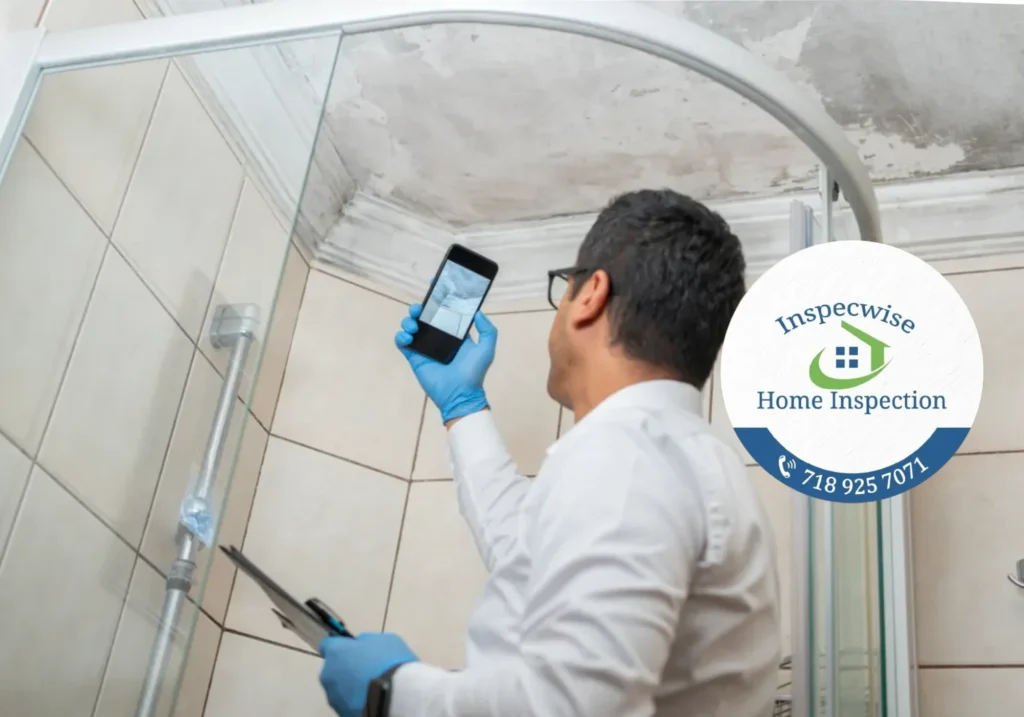
To combat these hidden environmental threats effectively, an expert inspector cannot rely on simple visual observations or rudimentary surface swabbing; they must deploy an advanced, multi-layered arsenal of diagnostic technologies to map moisture paths forensically. Fungal growth is always a trailing indicator of an active or historical moisture anomaly, meaning that identifying the visible colony is only the first step in a thorough scientific investigation. A truly elite assessment involves mapping out the entire hidden moisture footprint of a structure, identifying the precise mechanical or structural failure that allowed water to breach the interior envelope in the first place. By utilizing non-destructive testing methodologies, engineering-grade diagnostic tools can look deep behind structural layers without causing unnecessary damage to high-end finishes or historical building fabrics.
The frontline defense in modern environmental diagnostics is infrared thermography, which uses high-resolution thermal imaging cameras to detect subtle temperature differentials on building surfaces caused by evaporative cooling. When water leaks behind a drywall partition, runs down an interior pipe chase, or saturates a ceiling assembly, the wet materials cool down as the moisture evaporates, creating a distinct thermal signature that is completely invisible to the naked eye. Once these thermal anomalies are highlighted, the inspector utilizes dual-mode pinless moisture meters to confirm the volumetric moisture content of the substrate material without puncturing expensive wallpaper or high-end plaster. These sophisticated meters emit radio frequency signals deep into the material layers, allowing the technician to accurately map out the exact boundaries of a hidden leak behind stone tile, hardwood flooring, or heavy commercial concrete block walls.
In cases where subsurface anomalies are confirmed, the diagnostic protocol shifts to targeted, micro-invasive investigations using high-definition optical borescopes inserted through existing mechanical access panels or tiny, easily repairable holes drilled behind finish baseboards. This allows the forensic engineer to directly inspect the structural framing, interior cavity insulation, and the back face of interior drywall boards for hidden fungal structures and active wood-rotting conditions. To complement this physical inspection, precise air quality mapping is conducted using calibrated high-flow ambient air sampling pumps drawing exactly 15 liters of air per minute through specialized spore-trap cassettes. By capturing suspended airborne particulates across both the affected zones, unaffected control areas, and the exterior environment, laboratory mycologists can calculate precise indoor-to-outdoor concentration ratios, confirming whether a hidden amplification source is actively contaminating the indoor breathing zone.
Residential Assessments and Multi-Family Compliance
Managing environmental compliance within multi-family residential complexes requires a delicate, highly strategic approach that successfully balances aggressive municipal enforcement with complex tenant relations and aging physical infrastructure. When an individual resident suspects a microbial hazard within their home, a specialized Home Mold Inspection firm must be deployed immediately to isolate the issue, document the physical evidence scientifically, and prevent a minor localized problem from turning into a building-wide liability. In high-density residential buildings, individual apartments do not exist in a vacuum; they are mechanically and structurally interconnected via shared utility shafts, plumbing drop lines, and common wall assemblies. A severe pipe leak or unvented bathroom down in a first-floor unit can easily drive up humidity levels and trigger massive, hidden toxic colonies inside the wall cavities of apartments several floors above.
The operational friction points in multi-family real estate frequently stem from hidden systemic defects within the building’s core architectural design, such as abandoned passive ventilation shafts or faulty mechanical roof exhaust fans. In many pre-war apartment buildings, old kitchen and bathroom exhaust flues have been completely sealed off at the roof line during subsequent renovations, leaving a stagnant vertical column of unventilated air running through the center of the structure. When modern residents run hot showers or cook without adequate ventilation, this humid air forces its way into the shared wall cavities, condensing rapidly against the cool masonry surfaces and driving massive, hidden fungal amplification cycles. A professional residential inspector must systematically trace these vertical paths, checking the functionality of roof-top fans, measuring cross-ventilation pressures, and checking the structural integrity of every shared pipe chase to protect the broader asset.
- Mitigation of Tenant Litigation: Documenting environmental conditions with an independent, certified expert report provides landlords with an unassailable legal shield, disproving exaggerated or fraudulent tenant claims while demonstrating proactive compliance with local housing laws.
- Isolation of Structural vs. Tenant Causes: Professional diagnostics accurately determine whether a moisture issue is caused by a structural building defect (like a roof breach or rising main failure) or by tenant lifestyle choices (such as running unvented commercial appliances or drying laundry indoors), clearly allocating financial responsibility.
- Preservation of Section 8 and Voucher Compliance: Residential properties receiving municipal or federal housing vouchers are subject to incredibly strict, zero-tolerance physical inspections, where even minor unmitigated mold signs can trigger an immediate suspension of public funding.
- Elimination of Chronic Odor Complaints: Fungal colonies continuously emit distinct microbial volatile organic compounds that travel through common hallways and entryways, driving down tenant retention rates and making vacant units incredibly difficult to lease to high-end renters.
Comprehensive Environmental Mitigation Protocols
Once a professional environmental assessment has forensically mapped out the full scope of a hidden contamination, the inspector compiles a highly detailed, legally binding remediation protocol that dictates exactly how the cleanup must be executed. This comprehensive engineering document serves as the mandatory roadmap for the independent remediation crew, ensuring that the containment, removal, and post-abatement cleaning processes are performed under strict scientific controls. Without a clear, site-specific engineering protocol, remediation contractors frequently cut dangerous corners, using ineffective surface sealants or failing to erect proper negative pressure containments, which inadvertently contaminates the entire property during demolition. A professionally engineered protocol guarantees that every step of the cleanup process directly addresses the root environmental cause while completely protecting surrounding unaffected zones.
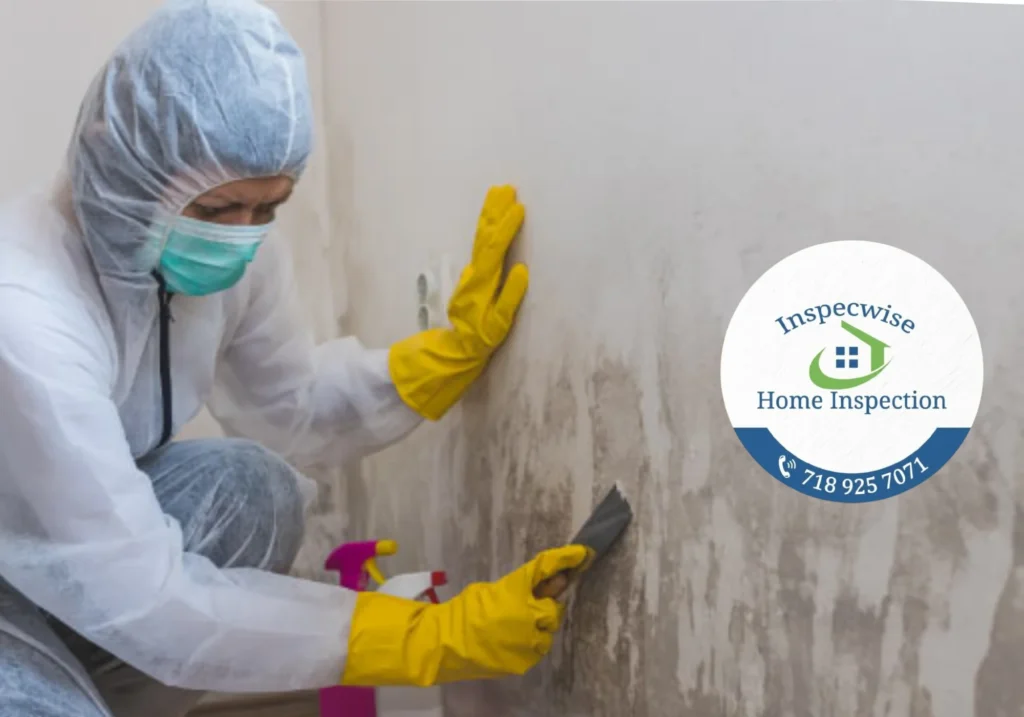
The bedrock of any effective environmental mitigation strategy is the immediate isolation of the hazardous zone using heavy-duty, 6-mil flame-retardant polyethylene sheeting to erect absolute critical barriers between the work area and the rest of the building. Within this sealed containment zone, high-capacity industrial air filtration devices equipped with certified High-Efficiency Particulate Air (HEPA) filters must be run continuously to establish a powerful negative pressure environment. By exhausting scrubbed air completely outside the structural envelope or into a separate terminal buffer zone, the containment system guarantees that any dust or reproductive spores dislodged during structural demolition are pulled inward and captured, preventing cross-contamination into common areas. Technicians entering this space must pass through a multi-stage decontamination airlock chamber, changing out of specialized personal protective equipment to maintain total environmental isolation.
During the physical demolition phase, all porous cellulose-based building materials that exhibit verified fungal colonization including compromised drywall backing, saturated ceiling tiles, contaminated insulation arrays, and degraded finish carpentry must be carefully misted with an eco-safe biocidal solution to suppress airborne dust before being cut out and sealed in double-layered, gooseneck-tied waste disposal bags. Non-porous structural elements, such as heavy structural iron framing, solid wood floor joists, and poured concrete foundations, undergo an intensive multi-step mechanical cleaning process consisting of meticulous HEPA-vacuuming, followed by aggressive wire-brushing or media-blasting, and a final detailed wipe-down with professional-grade, EPA-registered antimicrobial solutions. Once the physical cleaning is complete, the containment must remain completely undisturbed for a mandatory 24-to-48-hour air-settling period before an independent clearance inspector returns to perform rigorous post-remediation testing, ensuring the indoor air quality has been restored to total safety.
Why Choose Inspecwise
Inspecwise stands as the premier environmental inspection and forensic diagnostics authority in New York, providing commercial property owners, institutional asset managers, and elite residential landlords with unassailable, high-fidelity engineering reports that set the industry standard for technical accuracy. Our elite team of certified inspectors possesses an unparalleled, granular understanding of the region’s complex building codes, Local Law 55 mandates, and the intricate architectural anomalies unique to pre-war masonry and modern high-rise infrastructures. By deploying an advanced arsenal of non-destructive diagnostic tools including high-resolution thermal imaging cameras, pinless radio-frequency moisture meters, high-definition optical borescopes, and calibrated ambient air sampling pumps we forensically isolate environmental hazards at their absolute root source. When you partner with us, you receive a meticulously detailed, legally defensible master document that completely mitigates your corporate liabilities, satisfies aggressive municipal enforcement bodies, and preserves the long-term capital valuation of your real estate portfolio.
Serving All 5 Boroughs and Long Island: Manhattan • Brooklyn • Queens • The Bronx • Staten Island • Nassau County • Suffolk County
Call Inspecwise now: 718-925-7071
Licensed, Certified, and 100% NYC Local