A Property Condition Assessment NY is a formal, standardized evaluation of a commercial property’s physical condition, prepared to help investors, lenders, and buyers understand what they are actually acquiring or financing. Anyone involved in a commercial real estate transaction in New York whether closing a deal, underwriting a loan, or planning a capital budget relies on this report to separate cosmetic issues from real structural and system-level risk. It is the document that turns a walkthrough impression into documented, defensible facts, and it forms the backbone of the property condition report a lender or investor will ultimately rely on.
Unlike a home inspection, a Property Condition Assessment follows a recognized industry standard, produces a written report with cost projections, and is built for people making financial decisions, not homeowners deciding whether to buy a house.
What Is a Property Condition Assessment?
A Property Condition Assessment is a physical due diligence report prepared for commercial, industrial, multifamily, or mixed-use properties. It documents the current condition of major building systems, identifies deferred maintenance, flags immediate life-safety concerns, and forecasts when key components will need repair or replacement.
Most PCAs performed in New York follow ASTM E2018, the industry-recognized standard for Property Condition Assessments in commercial real estate transactions. This standard exists because commercial deals move fast, involve multiple stakeholders, and require a consistent methodology that lenders and investors across the country can trust regardless of which firm performs the inspection.
A PCA is not a code compliance audit, an appraisal, or an environmental survey, although it often references findings that overlap with those disciplines. Its purpose is narrower and more practical: tell the reader what physical condition the building is in today, what deferred capital exists, and what it will likely cost to keep it functional over a defined forecast period, typically ten to twelve years.
Why Property Condition Assessments Matter in New York
New York’s commercial building stock spans everything from pre-war Manhattan office towers to 1970s garden apartment complexes on Long Island to newer industrial parks in Westchester and the Hudson Valley. That age range creates real variability in risk. A building constructed in the 1920s may have irreplaceable architectural detail alongside outdated electrical distribution and a roof nearing the end of its service life. A 1980s suburban office park may have straightforward systems but deferred HVAC replacement that was never budgeted for.
New York also brings weather exposure that accelerates building envelope wear freeze-thaw cycling on masonry and roofing, coastal salt exposure on Long Island, and heavy seasonal precipitation that stresses drainage and foundation waterproofing. A Commercial Property Assessment NY gives buyers and lenders a way to quantify that exposure instead of guessing at it.
Local regulatory frameworks add another layer that a generic national checklist won’t capture. In New York City, that means facade inspection cycles under Local Law 11/FISP, open DOB violations, ECB/OATH violations that can carry financial penalties, Certificate of Occupancy discrepancies, HPD registration status for multifamily buildings, NYC Fire Code compliance, and Local Law 152 gas piping inspection requirements where applicable. A properly scoped PCA accounts for these local conditions instead of treating the property as a generic asset, and often cross-references public violation records as part of the document review phase.
Who Needs a Property Condition Assessment?
Investors use a PCA to confirm that a property’s physical condition supports their underwriting assumptions before capital is committed.
Buyers rely on the report during due diligence to negotiate price, request seller credits, or walk away from a deal with hidden structural or system problems.
Sellers commission PCAs proactively to identify issues before listing, avoiding surprises that could derail a transaction late in escrow.
Lenders typically require a PCA as a condition of financing. It supports loan underwriting by confirming the collateral’s physical condition and establishing whether reserve escrows are warranted.
Developers use PCAs on adaptive reuse or acquisition-rehab projects to scope renovation budgets accurately before finalizing a pro forma.
Asset managers commission periodic PCAs across a portfolio as part of ongoing building asset management, using the findings to prioritize deferred maintenance and support annual capital improvement planning.
Commercial property owners use PCAs independent of a transaction, simply to get a clear-eyed, third-party view of where the building stands and what to plan for financially.
Property Types That Benefit From a PCA
- Office buildings, from single-tenant suburban buildings to multi-tenant towers
- Apartment buildings and multifamily complexes
- Mixed-use buildings combining retail, office, or residential space
- Retail centers and standalone retail buildings
- Shopping centers and strip malls
- Industrial buildings, including manufacturing and light industrial space
- Warehouses and distribution facilities
- Hotels and hospitality properties
- Medical buildings and outpatient care facilities
- Schools and educational facilities
- Religious buildings, including houses of worship and associated structures
Each property type carries its own risk profile. A warehouse assessment focuses heavily on roof membrane condition, loading dock infrastructure, and clear-span structural integrity. A medical building assessment pays closer attention to specialized mechanical systems, emergency power, and accessibility compliance. An experienced inspector adjusts the scope and emphasis accordingly rather than applying a one-size-fits-all checklist.
Example: A buyer purchasing a 55,000-square-foot warehouse outside Buffalo commissioned a PCA during due diligence and discovered the roof membrane had only three years of remaining useful life. That single finding shifted the negotiation, with the buyer requesting a six-figure credit at closing to cover the eventual replacement.
What Does a Property Condition Assessment Include?
Site Evaluation
The assessment begins outside the building, reviewing topography, drainage patterns, parking layout, curb cuts, retaining walls, and general site condition. Site-level issues often signal deeper drainage or grading problems that affect the foundation.
Building Envelope
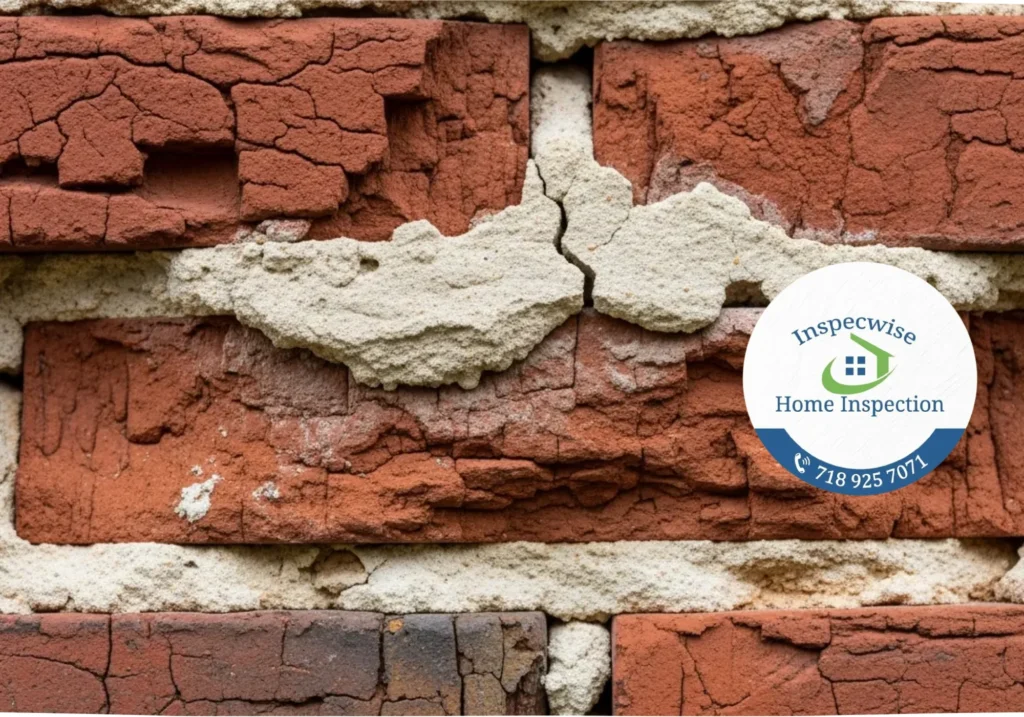
The envelope assessment covers exterior walls, cladding systems, windows, and sealants. Inspectors look for water infiltration points, failed sealant joints, masonry deterioration, and signs of thermal movement damage — all common in New York’s climate. In buildings constructed before 1978, envelope and interior finish review may also flag conditions that warrant a dedicated lead paint inspection NYC prior to renovation or occupancy changes.
Roof
Roof evaluation includes membrane condition, flashing details, drainage design, ponding water, chimney and vent penetrations, and estimated remaining service life. Roofs are among the most expensive single-line items in any capital plan, so this section receives particular scrutiny. On buildings with masonry chimneys or fireplace flues, the inspector may recommend a separate chimney inspection if deterioration or improper flashing is observed at the roofline.
Foundation
Inspectors assess visible foundation elements for cracking, settlement, water intrusion, and signs of differential movement. In older New York buildings, this review often overlaps with what a basement inspection NY specialist would perform to check for moisture intrusion, efflorescence, and structural cracking at grade-level walls.
Structure
This covers load-bearing walls, columns, beams, and framing systems, evaluated for visible distress, deflection, or prior repair work that may indicate underlying structural stress.
Exterior
Beyond the envelope itself, the exterior review covers stairs, railings, exterior lighting, signage structures, loading areas, and any attached canopies or awnings.
Interior
Interior evaluation focuses on finishes, flooring, ceiling systems, and general condition of common areas and representative tenant spaces, noting wear patterns that suggest gaps in preventive maintenance.
HVAC
Heating, ventilation, and air conditioning systems are assessed for age, maintenance history, capacity adequacy, and remaining useful life. HVAC replacement is consistently one of the largest capital reserve items in any PCA.
Electrical
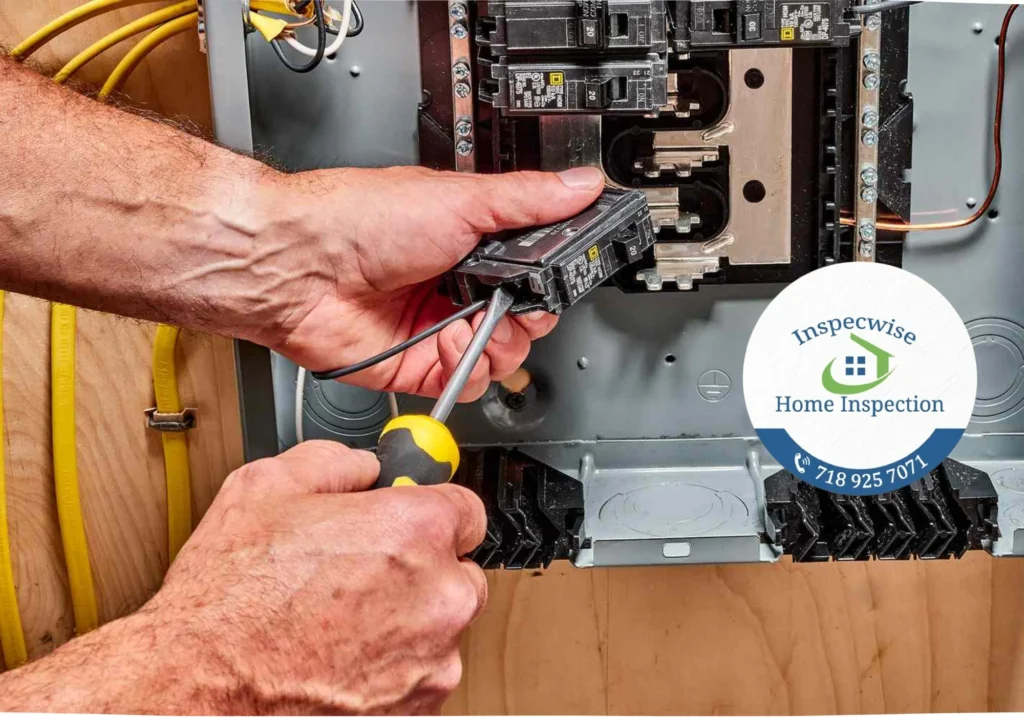
The electrical review covers service capacity, panel condition, distribution equipment, and general code-era compliance, flagging outdated systems that may present safety or capacity concerns relative to current NYC Building Code expectations.
Plumbing
Plumbing assessment includes supply and waste piping materials, fixture condition, water heating equipment, and any visible signs of leaks or corrosion. Where a property relies on a private water source rather than municipal supply, a well water testing inspection is typically recommended as a supplemental scope item.
Fire Protection
Sprinkler systems, standpipes, fire alarm panels, and suppression equipment are reviewed for age, testing documentation, and general functionality relative to NYC Fire Code and applicable state fire codes.
Vertical Transportation
Elevators and escalators are evaluated based on maintenance records, modernization history, and code compliance status, since replacement or modernization costs can be substantial.
Parking Areas
Parking lots and structures are assessed for pavement condition, striping, drainage, lighting, and structural condition in the case of parking garages.
Drainage
Site and roof drainage systems are reviewed together, since poor drainage is one of the most common root causes of long-term building deterioration.
Accessibility
Inspectors note general accessibility conditions, including entrances, restrooms, and common area pathways, though a full ADA compliance audit is a separate, specialized service.
Life Safety Systems
This includes fire alarm systems, emergency lighting, exit signage, and egress pathways, evaluated for basic functionality and apparent code compliance.
Deferred Maintenance
The report catalogs maintenance items that have been postponed, along with an assessment of how that deferred capital affects near-term repair costs and long-term life cycle cost analysis.
Environmental Concerns
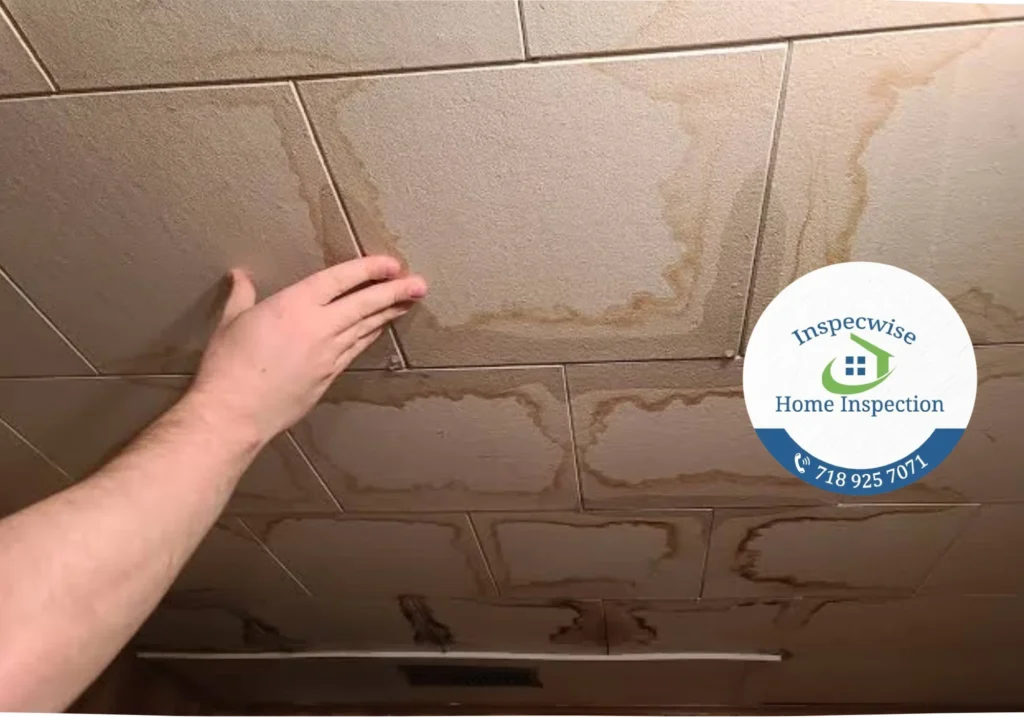
While a PCA is not an environmental assessment, inspectors note visible conditions that may warrant further review, such as suspect materials that would require a dedicated asbestos inspection, or moisture conditions consistent with active water intrusion that could justify a black mold inspection before closing.
ASTM E2018 Standard Explained
Purpose. ASTM E2018 was developed to create a consistent, repeatable methodology for assessing commercial real estate so that lenders, investors, and attorneys across different markets could rely on a report regardless of which firm prepared it.
Walk-through survey. The standard requires a visual, non-invasive walk-through of the property, covering both interior and exterior areas and representative building systems.
Document review. Inspectors review available records, including as-built drawings, permits, prior inspection reports, and maintenance logs, to supplement field observations and build an accurate building systems inventory.
Interviews. The standard calls for interviews with property personnel building engineers, property managers, or maintenance staff who can provide context on system performance and repair history that isn’t visible during a single site visit.
Remaining Useful Life (RUL). For each major building system, the report estimates how many years of useful life remain before replacement becomes necessary, based on age, condition, and typical service life expectations.
Opinions of Probable Costs (OPC). Rather than exact bids, the report provides professional cost opinions for identified repair and replacement items, giving the reader a planning-level budget figure that supports capital planning.
Immediate Repair Table. This table lists items requiring attention within the first year generally life-safety issues or conditions that could worsen quickly if left unaddressed.
Replacement Reserve Table. This table projects capital expenditures over the forecast period, typically presented year by year across a ten-to-twelve-year horizon, forming the core of the property’s ongoing capital improvement planning.
Report preparation. The final report compiles findings, photographs, tables, and narrative commentary into a document suitable for lenders, investors, and legal counsel to rely on during underwriting.
How the Property Condition Assessment Process Works
- Scoping the assessment. The inspector confirms property type, square footage, number of buildings, and any specific concerns the client wants addressed.
- Scheduling and access coordination. Site access is arranged with property management or ownership, including access to mechanical rooms, roof areas, and representative units or suites.
- Document collection. Available records are gathered in advance where possible, including permits, prior reports, and maintenance history.
- On-site walk-through. The inspector conducts a systematic review of the site, envelope, structure, and major building systems, taking photographs throughout.
- Interviews with personnel. Building staff are interviewed about system performance, recent repairs, and known issues.
- Data analysis. Findings are compiled and cross-referenced against ASTM guidelines to estimate remaining useful life and probable costs.
- Report drafting. A written report is prepared, including the Immediate Repair Table, Replacement Reserve Table, and supporting narrative and photographs.
- Delivery and review. The final report is delivered to the client, often followed by a call to walk through key findings and answer questions.
Documents Reviewed During a PCA
- Maintenance records
- Repair history
- Capital improvement records
- Roof warranties
- Building permits
- Certificate of Occupancy and related certifications
- Previous inspection reports
- Fire inspection records
- Elevator maintenance and inspection records
- HVAC maintenance logs
- Open DOB and ECB/OATH violation records, where applicable
When these records are incomplete which is common in older New York properties that have changed ownership multiple times the report notes the gap and relies more heavily on physical observation and staff interviews.
Common Problems Found During Property Condition Assessments
Aging HVAC equipment operating well past its typical service life is one of the most frequent findings, particularly in buildings that haven’t undergone a system-wide mechanical upgrade in fifteen or more years. Roof membranes nearing the end of useful life, often with visible ponding or patched repairs rather than a proper reroof, show up regularly on flat-roof commercial buildings.
Electrical systems with outdated panels or insufficient capacity for current tenant loads are common in buildings converted from earlier commercial uses. Water infiltration at parapet walls, window sealants, or below-grade areas frequently surfaces during envelope review, sometimes tracing back to failed roof drains identified during the drainage assessment.
Deferred facade maintenance is particularly common in older masonry buildings across the five boroughs, where Local Law 11/FISP cycles reveal spalling brick, cracked lintels, or failing sealant joints that ownership had not budgeted for. Elevator equipment approaching modernization thresholds, aging fire alarm panels no longer supported by current manufacturers, and undersized parking lot drainage are all recurring findings across property types.
Example: During a PCA on a multifamily building in Brooklyn, an inspector documented deferred facade maintenance tied to an open Local Law 11 violation. The finding became a central point in the buyer’s financing discussion, since the lender required a repair timeline and reserve escrow before closing.
Common Red Flags During a PCA
- Roof at or near the end of its remaining useful life
- Active water intrusion at the envelope or below grade
- Deferred maintenance across multiple systems simultaneously
- Unsafe or outdated electrical equipment
- Foundation settlement or differential movement
- Open DOB, ECB, or HPD violations tied to physical conditions
- Fire protection equipment past its service or certification date
Immediate Repairs vs Capital Reserve Items
Immediate repairs are conditions that pose a safety risk, could cause rapid deterioration if left unaddressed, or violate a clear code requirement. Examples include a failed fire alarm panel, exposed electrical wiring, or a roof leak actively damaging interior finishes. These items are generally recommended for correction within the first year and are often factored directly into purchase negotiations.
Capital reserve items are components approaching the end of their useful life but not yet posing an immediate hazard. A rooftop HVAC unit with three years of remaining service life, for example, isn’t an emergency, but it belongs in the capital plan so ownership isn’t caught off guard when it fails. The Replacement Reserve Table exists specifically to help owners and lenders budget for these predictable, longer-horizon expenses rather than treating them as surprises, and it feeds directly into broader life cycle cost analysis for the asset.
New Construction and Renovation Considerations
Properties still under development or mid-renovation require a different kind of scope than a stabilized asset. A phase inspection new build NY approach is often layered onto ground-up construction to verify quality at defined milestones before work is covered up. Similarly, renovation projects frequently call for a pre-drywall inspection to confirm framing, mechanical rough-ins, and insulation are correctly installed before walls are closed. Neither of these replaces a standard PCA on a completed asset, but they serve a related due diligence function earlier in a property’s lifecycle.
Property Condition Assessment vs Commercial Building Inspection
| Feature | Property Condition Assessment (PCA) | Commercial Building Inspection |
|---|---|---|
| Standard followed | ASTM E2018 | No single universal standard |
| Primary audience | Lenders, investors, buyers, attorneys | Buyers, owners, tenants |
| Report format | Structured report with RUL and OPC tables | Narrative report, varies by inspector |
| Cost forecasting | Yes, 10–12 year Replacement Reserve Table | Rarely included |
| Typical use case | Financing, acquisition, portfolio management | General condition review, leasing due diligence |
| Scope depth | Comprehensive, system-by-system | Often narrower or more general |
| Document/interview requirement | Included per ASTM standard | Not typically required |
Both reports evaluate physical condition, but a PCA is built specifically for financial decision-making at the transaction level, while a general commercial building inspection may serve a narrower or less formal purpose, such as pre-leasing due diligence.
How Long Does a Property Condition Assessment Take?
The on-site portion of a PCA typically takes anywhere from a few hours for a small single building to a full day or more for larger, multi-building properties. Report preparation generally takes longer than the site visit itself, since it involves compiling photographs, calculating remaining useful life for each system, and drafting cost opinions. Most clients receive a completed report within one to two weeks of the site visit, though larger portfolios or properties with incomplete documentation can extend that timeline.
Factors That Affect the Cost
Several variables influence what a PCA costs, though exact pricing depends on the specific property and scope:
- Square footage and number of buildings — larger properties and multi-building campuses require more time on site and more analysis.
- Property complexity — a building with specialized systems, such as a hospital or manufacturing facility, requires more specialized expertise than a straightforward office building.
- Availability of documentation — properties with complete, organized records generally require less time to research than those with missing history.
- Access conditions — properties with limited access to mechanical rooms, roofs, or individual units can extend the site visit.
- Report scope — some clients request an ASTM-compliant baseline PCA, while others request additional scope, such as ADA reviews or environmental screenings bundled into the engagement.
- Rural or septic-dependent properties — properties outside municipal sewer service may require a coordinated septic system inspection as part of the overall due diligence package, adding scope and time.
- Location and travel — properties in more remote parts of the Hudson Valley or eastern Long Island may involve additional travel time compared to properties within NYC.
PCA Deliverables
- Executive Summary
- Photographs documenting key findings
- Immediate Repair Table
- Replacement Reserve Table
- Remaining Useful Life estimates by system
- Opinions of Probable Costs
- Supporting documentation and records reviewed
Frequently Asked Questions
What is the difference between a PCA and a home inspection?
A PCA follows the ASTM E2018 standard, is designed for commercial transactions, and includes cost forecasting tools like the Replacement Reserve Table. A home inspection is a narrower, residential-focused review without those standardized financial forecasting components.
Is a Property Condition Assessment required by lenders in New York?
Most commercial lenders require a PCA as part of loan underwriting, though specific requirements vary by lender, loan type, and property size.
How far in advance should I schedule a PCA?
It’s best to schedule as early as possible in the due diligence period, since report preparation typically takes one to two weeks after the site visit and findings may need to be factored into negotiations.
Does a PCA include environmental testing?
No. A PCA is a physical condition assessment. If the inspector observes conditions suggesting environmental concerns, such as suspect materials warranting an asbestos inspection, the report will recommend further specialized testing.
What is Remaining Useful Life (RUL)?
RUL is the estimated number of years a building system or component is expected to continue functioning before replacement is necessary, based on its age, condition, and typical service life.
What is an Opinion of Probable Cost (OPC)?
An OPC is a planning-level cost estimate for a repair or replacement item, intended to support budgeting rather than serve as a contractor bid.
Can a PCA be used to negotiate the purchase price?
Yes. Findings in the Immediate Repair Table and Replacement Reserve Table are commonly used by buyers to request price reductions or seller credits during negotiations.
Do PCAs cover elevators and vertical transportation?
Yes. Elevators and escalators are reviewed for age, maintenance history, and general condition as part of the standard assessment scope.
What happens if a property has incomplete maintenance records?
The inspector notes the gap in documentation and relies more heavily on visual observation and interviews with building staff to form conclusions.
Are PCAs only for large commercial buildings?
No. PCAs are performed on properties ranging from small retail buildings to large multi-building portfolios, scaled appropriately to the property size and complexity.
Does a PCA address accessibility compliance?
A PCA notes general accessibility observations but is not a substitute for a formal ADA compliance audit, which requires specialized scope.
How often should an owner get a new PCA?
Many owners commission a new or updated PCA every few years, or whenever significant capital improvements have been made, to keep the capital plan and Facility Condition Index current.
Why Choose Inspecwise for Property Condition Assessment NY
Choosing the right inspection firm is just as important as choosing the right property. At Inspecwise, we combine technical expertise with practical commercial real estate experience to deliver a Property Condition Assessment NY investors, lenders, developers, and property owners can rely on when making important financial decisions.
Our inspectors work throughout New York City, Long Island, Westchester, and the Hudson Valley, giving us firsthand knowledge of the diverse building types found across the state. From pre-war masonry buildings in Manhattan to suburban office parks, industrial facilities, multifamily properties, and mixed-use developments, we understand how different construction methods, environmental conditions, and maintenance histories affect long-term building performance.
Every assessment follows ASTM E2018 methodology and focuses on providing clear, objective findings. Rather than simply documenting visible deficiencies, we evaluate how major building systems work together and identify conditions that may affect future maintenance costs, capital planning, or investment risk. Our reports are organized, photo-rich, and written in a way that is easy for buyers, lenders, attorneys, and asset managers to review during due diligence.
Serving All 5 Boroughs and Long Island: Manhattan • Brooklyn • Queens • The Bronx • Staten Island • Nassau County • Suffolk County
Call Inspecwise now: 718-925-7071
Licensed, Certified, and 100% NYC Local