After walking through hundreds of properties across the five boroughs, we’ve noticed a pattern: buyers almost always underestimate how different a condo inspection is from a traditional home inspection. It isn’t a matter of one being “lighter” than the other. They’re built around two completely different ownership structures, and confusing the two is one of the most expensive mistakes a New York buyer can make.
If you’re comparing condo inspections vs. home inspections for the first time, the short version is this: a home inspection evaluates an entire structure, from the roofline to the foundation footing, because you own all of it. A condo inspection evaluates the unit you’ll actually own, plus how the building around it will affect your unit’s performance, safety, and future costs. Both are essential. Neither is a substitute for the other. And in a market as dense, old, and architecturally varied as New York City, getting this distinction wrong can cost you tens of thousands of dollars after closing.
This guide breaks down exactly what each inspection covers, what inspectors are actually looking for in Manhattan high-rises versus Staten Island colonials, and why the “same house, different paperwork” assumption gets so many NYC buyers into trouble.
What Is a Home Inspection?
A traditional home inspection is a full-enclosure assessment. Under New York State’s Home Inspector License Law (Article 12-B), a licensed inspector is required to physically evaluate every major system of the property, because in a single-family or multi-family home purchase, you’re buying the land, the structure, and every mechanical system serving it outright all of which must meet the standards set out in the New York City Residential Code.
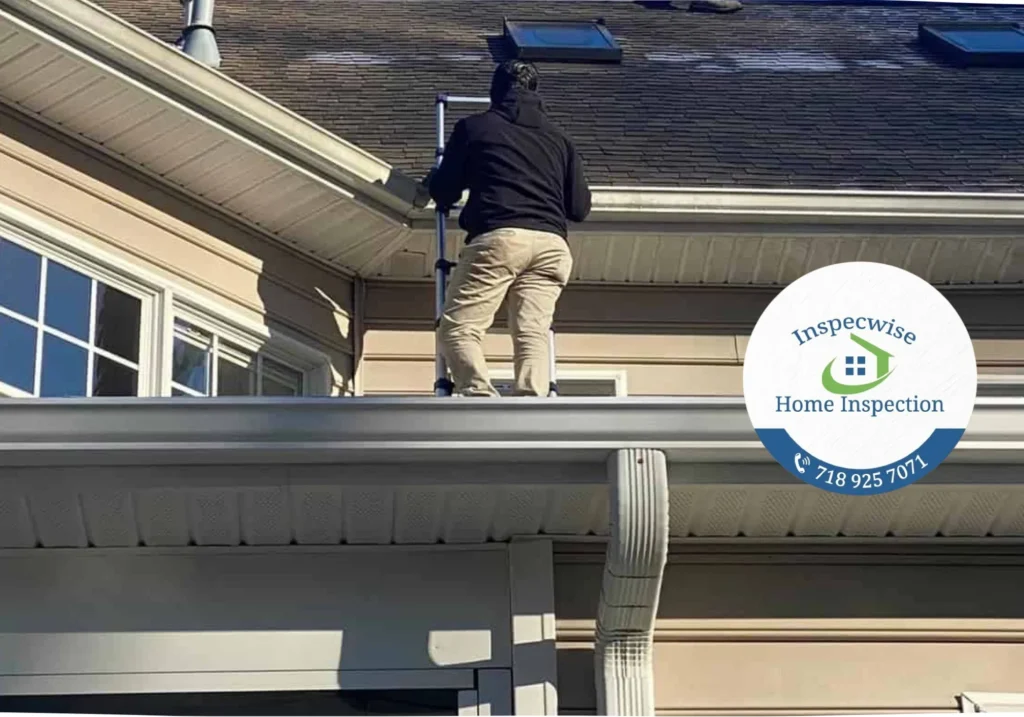
That means the inspector isn’t just looking at the kitchen and bathrooms. They’re getting into the crawlspace, walking the roof or setting up a ladder at the eaves, running a Sewer Scope Inspection to check the lateral line, and testing the electrical service panel from the meter inward. In a detached home in Staten Island or a colonial in Westchester, there’s no HOA managing the roof and no building engineer maintaining the boiler. Everything defaults to the buyer, which is exactly why the inspection has to be comprehensive.
A home inspection typically includes:
- Foundation and structural framing
- Roof covering, flashing, and drainage
- Exterior cladding, grading, and drainage away from the structure
- Full electrical service, panel, and branch circuits
- Plumbing supply and drain lines, water heater, and (where applicable) well or septic systems
- Heating and cooling equipment serving the entire home
- Attic insulation and ventilation
- Windows, doors, and egress compliance
We’ve inspected enough Staten Island colonials and Westchester capes to know that the “full enclosure” label isn’t just a technical distinction it changes how a buyer should think about risk. When you’re purchasing a detached property, every deferred maintenance item you find during the inspection becomes your responsibility the day you close. There’s no association absorbing a bad roof or a failing sump pump. That’s why a home inspector spends real time in the places buyers rarely think to look: the crawlspace corners where water pools after heavy rain, the attic ridge vent that’s been painted shut, or the exterior hose bib that’s been slowly rotting the sill plate behind it for years.
What Is a Condo Inspection?
A condo inspection is a component assessment. In New York’s “paint-to-paint” ownership model, a condo owner generally owns everything from the interior finish of the walls inward drywall, fixtures, in-unit mechanicals while the building’s structural elements, common systems, and exterior envelope belong to the condominium association.
That distinction changes what an inspector prioritizes. Instead of walking a roof, we’re testing the PTAC unit under the window. Instead of tracing a septic line, we’re checking whether the in-wall plumbing riser serving your unit has a history of leaking into the unit below. The inspection is narrower in physical scope but often requires more specialized diagnostic tools, because the defects that matter most in a condo hidden leaks, electrical undersizing, poor HVAC maintenance tend to be invisible without equipment like thermal imaging.
A condo inspection typically includes:
- In-unit HVAC (PTAC, water-source heat pump, or mini-split systems)
- Electrical panel and outlets serving the unit
- Visible plumbing fixtures and evidence of wet-wall leaks
- Windows, doors, and unit-level fire safety devices
- Signs of moisture intrusion from shared walls, floors, or ceilings
- A visual review of accessible common areas (lobby, basement, roof access) to flag building-wide red flags that could affect the unit or trigger a special assessment
In a Financial District tower or a Long Island City high-rise, the physical footprint we’re inspecting might be 900 square feet, but the diagnostic work is often more technical than a full home inspection, not less. Every unit is stacked on top of another, sharing risers, ductwork chases, and structural slabs with neighbors above and below. A leak doesn’t have to originate in your unit to end up on your ceiling, which means a competent condo inspector has to think about the building as a system, even while the report itself is scoped to your unit.
Condo Inspections vs. Home Inspections: The Detailed Comparison
Scope of Inspection
This is the single biggest difference, and it’s the one buyers misunderstand most often. A home inspection scope is defined by property lines. A condo inspection scope is defined by your deed’s airspace boundary, plus a secondary review of shared infrastructure that indirectly affects you. We’ve had buyers assume that because their condo inspection didn’t include a full roof walk, the inspector “missed something.” In reality, the roof isn’t yours to inspect it’s the association’s responsibility, though its condition still matters to your bottom line, which we’ll get to below.
Ownership Responsibilities
In a detached home, ownership responsibility is total. If the roof fails in year three, that’s on you. In a condo, responsibility is split between what you own (the unit interior) and what the association owns (structure, roof, facade, common mechanicals, elevators). A Co-op adds another layer: you own shares in a corporation that owns the building, not real property at all, which is why lenders and inspectors both treat co-op due diligence a little differently, even though the physical inspection looks similar to a condo’s.
Structural Components
Home inspectors evaluate the foundation, load-bearing framing, and overall structural integrity directly, because it’s part of what you’re purchasing. In a condo, structural review is largely limited to visible signs of settlement or distress inside the unit cracking near load-bearing walls, uneven floors since the building’s actual structural system belongs to the association and is typically covered under separate structural or facade inspection reports filed with the city.
Roofing
For a home inspection, the roof gets a hands-on or drone-assisted evaluation: shingle or membrane condition, flashing, chimney integrity, and drainage. For a condo, the roof isn’t part of the unit’s inspection scope, but a competent inspector will still check the building’s Local Law 11 (FISP) filing status, because roof and facade conditions flagged as “Unsafe” or “SWARMP” in NYC Department of Buildings records are a leading indicator of upcoming special assessments.
Exterior
Home inspections cover siding, grading, drainage swales, and exterior penetrations in detail, since water management around a standalone structure is entirely the owner’s problem. Condo inspections treat the exterior envelope as a building-wide concern; our focus shifts to whether water is getting through that envelope into your specific unit, which is where thermal imaging earns its keep.
Plumbing Systems
In a home, the inspector traces the entire system main shutoff, supply lines, drain-waste-vent, water heater, and either municipal or septic connection. In a condo, we’re focused on fixtures inside the unit and, critically, on plumbing riser integrity. Many older NYC buildings still run galvanized risers behind drywall, and a slow leak at a joint two floors up can silently damage your ceiling before anyone notices. This is one of the most common and most expensive surprises we find in pre-war condo units. These same units often still contain legacy pipe insulation and wall materials, which is why we typically recommend a dedicated Asbestos Inspection New York before any wall-opening renovation work begins.
Electrical Systems
Home inspections test the full service, from the meter to every branch circuit and outlet in the house. Condo inspections focus on the panel and circuits serving the unit specifically. In older Bronx and Brooklyn buildings, it’s still common to find units running on 60-amp service, which struggles to support a modern kitchen renovation or an EV charger, even though the building’s overall electrical infrastructure may be adequate elsewhere. If a panel upgrade is on the table, we recommend a dedicated Home Electrical Inspection to confirm exactly what the existing service can and can’t safely support.
HVAC Systems
A home inspection evaluates a single, whole-house heating and cooling system: furnace, boiler, central air, or heat pump, along with distribution ductwork or radiators. A condo inspection evaluates the unit-level equipment PTAC units, water-source heat pumps, or ductless minisplits and checks age, maintenance history, and condensation drainage, since a clogged condensate line is one of the most frequent sources of hidden mold in condo HVAC closets. Wherever gas-fired boilers or furnaces are involved, we also check venting and piping against the NYC Fuel Gas Code, since improperly installed fuel gas equipment is a genuine safety hazard rather than just a maintenance concern.
Windows and Doors
Both inspection types check operation, seal integrity, and safety glazing where required. In older pre-war buildings, however, original windows often have deteriorated seals or sash cord issues that affect both energy efficiency and water intrusion something we flag regardless of whether it’s a co-op, condo, or townhome.
Fire Safety
Home inspections verify smoke and carbon monoxide detector placement per current code throughout the structure. Condo inspections verify the same devices at the unit level, in line with New York’s updated fire safety standards under Local Law 11/2023, and we’ll also note whether the unit has a compliant secondary egress where required.
Moisture and Water Intrusion
This is one area where condo inspections often require more sophisticated tooling than home inspections, not less. In a detached home, water intrusion sources are usually visible grading, gutters, foundation cracks. In a condo, water can travel laterally through shared walls and floors from a source you’ll never see directly, which is why infrared thermal imaging is close to mandatory for a thorough condo inspection.
Hidden Mold Risks
We find mold most often in two places: HVAC closets with poorly maintained condensation lines, and behind walls adjacent to plumbing risers. In a home, mold is more commonly found in basements, crawlspaces, or attic spaces with inadequate ventilation. In a condo, it’s almost always tied to a mechanical or plumbing failure rather than a ventilation issue, which changes how we search for it. Whenever we spot conditions that could be supporting hidden growth, we recommend a follow-up Home Mold Inspection rather than guessing based on a visual check alone.
Building Common Areas
Home buyers don’t have “common areas” to worry about. Condo and co-op buyers absolutely do. We walk accessible hallways, basements, and parking garages looking for cracked facades, aging elevators, water staining near roof access points, and other signs that the building’s capital reserves may be about to take a hit because that hit eventually shows up as your maintenance bill.
Key Differences Buyers Should Understand
HOA and Condo Association Responsibilities
Your condo association is legally responsible for the building envelope, structure, common mechanicals, and shared amenities. Understanding what the association covers versus what falls to you is essential before you waive any inspection contingencies a mistake we see far too often in competitive bidding situations.
Co-op Board Considerations
Technically, a co-op purchase is a stock transaction, not a real estate transaction. But the unit itself still needs the same technical scrutiny as a condo. We also recommend buyers request the co-op’s most recent building-wide inspection or engineer’s report where available, since boards are often more forthcoming with this documentation than condo associations are.
Building Reserve Funds
A building with a thin reserve fund and a deferred maintenance backlog is a red flag no unit-level inspection alone can fully capture this is where your attorney’s review of board financials matters as much as our physical inspection.
Special Assessments
Cracked facades, aging elevator systems, and DOB violations tied to Local Law 11 filings are the most common triggers we see for special assessments in NYC condos and co-ops. A five-figure assessment notice six months after closing is one of the most common post-purchase shocks buyers describe to us.
How Inspection Priorities Shift by Building Type
Pre-War Buildings
Pre-war co-ops and condominiums (generally built before 1945) bring plaster wall systems, original cast-iron plumbing stacks, and knob-and-tube electrical remnants that may still be partially active. We prioritize riser leak detection and electrical panel evaluation heavily in these buildings.
High-Rise Condominiums
In Financial District and Midtown towers, our focus shifts toward PTAC or heat pump condition, panel capacity for modern appliance loads, and plumbing riser integrity across dozens of stacked units, since a leak two floors up becomes your ceiling stain. This is where a Home Inspection Manhattan buyers can trust really earns its keep, since these buildings demand a level of diagnostic precision that a generic walkthrough won’t deliver.
Brownstone Conversions
Converted brownstones in Brooklyn and Harlem often have inconsistent renovation quality between units, since different owners or developers may have handled electrical and plumbing work at different times, under different permits or none at all. We look closely for unpermitted work here.
Newly Constructed Condos
New developments in Brooklyn and Long Island City are notorious for “punch-list” items: improper drainage slopes on balconies, incomplete venting, or cosmetic finishes that mask incomplete rough-in work. A pre-closing inspection gives your attorney leverage to have the developer correct these before you take title. Buyers who are able to get in early enough should also consider a Pre-Drywall Inspection, which catches rough-in defects while they’re still visible and inexpensive to fix.
Detached Homes and Townhomes
In Staten Island, Queens, and the outer suburbs, detached homes and townhomes require the full structural, roofing, and site-drainage evaluation described earlier, since there’s no association absorbing any of that responsibility. A comprehensive Home Inspection NYC buyers rely on for these properties has to cover the entire structure, not just the interior finishes.
The Inspector’s Mindset: What We’re Actually Thinking About
Buyers often ask us what separates a thorough inspection from a rushed one, and the honest answer has less to do with a checklist and more to do with pattern recognition built over hundreds of NYC properties. When we walk into a pre-war co-op on the Upper West Side, we’re already thinking about original cast-iron risers and outdated panel capacity before we’ve opened a single closet. When we walk into a new-construction unit in Downtown Brooklyn, our attention shifts almost entirely to punch-list quality slightly uneven flooring, a bathroom fan that was never properly vented to the exterior, a balcony door that doesn’t seal because the frame was installed a few degrees out of square.
This is also where buyers make one of the most common and costly mistakes: assuming a newer building means fewer things to worry about. In our experience, new-construction condos in Brooklyn and Long Island City generate a different category of defects, not a smaller one. Developers moving fast to hit closing deadlines will sometimes finish drywall and paint over incomplete rough-in work, leaving cosmetic perfection sitting on top of real deficiencies. A thermal camera and a moisture meter catch what a walkthrough alone won’t.
Common Defects Found During Condo Inspections
- Undersized electrical service (60-amp panels) unable to support modern loads
- Plumbing riser leaks inside wet walls, often discovered only through thermal imaging
- Clogged HVAC condensate lines leading to hidden mold
- Deteriorated window seals in pre-war units
- Signs of unpermitted interior renovation work
Common Defects Found During Home Inspections
- Foundation cracking or settlement
- Roof drainage issues and aging flashing
- Aging or undersized septic and well systems
- Grading that directs water toward the foundation
- Outdated whole-house electrical service
Mistakes Buyers Frequently Make
Two mistakes come up again and again in our work across the five boroughs. The first is assuming that because a condo association handles the building’s structure, the unit itself needs less scrutiny when in reality, unit-level systems like electrical panels, HVAC equipment, and plumbing fixtures fail just as often in condos as they do in detached homes, and the repair costs land entirely on the unit owner. The second is waiving the inspection contingency altogether in a competitive bidding situation. We understand the pressure buyers are under in a fast-moving market, but a waived contingency doesn’t make the defects disappear it just means you discover them after you’ve already signed.
We also see buyers treat a condo’s polished common areas as a proxy for the unit’s condition. A renovated lobby and a new elevator cab tell you the association is investing in curb appeal. They tell you nothing about whether the PTAC unit behind your bedroom curtain is twelve years past its expected service life, or whether the electrical panel serving your kitchen was ever upgraded to support a modern range.
The Inspection Process
Both inspection types follow a similar client experience, even though the technical scope differs. The inspector arrives, walks the property or unit systematically, documents findings with photos and, where warranted, thermal imaging, and delivers a digital report typically within 24 hours that your attorney can use directly in negotiations. If you’re not sure what to expect on inspection day, our Home Inspection Checklist walks through the process step by step. The difference is what’s inside that report: a home inspection report reads like a full structural and systems audit, while a condo inspection report reads more like a targeted diagnostic focused on unit-level risk and building-wide red flags.
Inspection Cost Comparison
In the five boroughs and Westchester, a condo inspection typically runs $450 to $750, while a detached home inspection typically runs $650 to $1,200 or more, depending on square footage and site complexity. The lower price point for condos reflects the narrower physical scope, not a lower standard of diagnostic rigor a thorough condo inspection with thermal imaging can prevent a five-figure special assessment or a costly post-closing leak repair.
When Buyers Should Schedule Each Inspection
Schedule a home inspection as soon as your offer is accepted and before your attorney review period closes, giving you room to renegotiate or request repairs. Schedule a condo inspection on the same timeline, but also request the building’s most recent Local Law 11 facade filing and, if possible, recent board meeting minutes, so your inspector’s unit-level findings can be read alongside the building’s overall condition. For new construction, schedule your inspection close to your walk-through date so punch-list items are fresh and verifiable.
Frequently Asked Questions
Is a condo inspection legally required in New York? No inspection is legally required for a real estate closing in New York, but nearly every experienced buyer’s attorney recommends one, and most mortgage lenders strongly encourage it as part of due diligence.
Do I need a home inspection if I’m buying new construction? Yes. New builds frequently have punch-list issues improper drainage slopes, incomplete venting, or rushed finish work that only surface during a professional walkthrough.
Can a condo inspection include a co-op unit? Yes. While a co-op is technically a stock purchase rather than a real property purchase, the physical unit requires the same technical scrutiny as a condominium.
What’s the biggest difference between condo and home inspections? Scope of ownership. A home inspection covers the entire structure because you own all of it; a condo inspection covers your unit’s systems plus a review of how shared building conditions affect you.

Do condo inspections check the building’s common areas? A basic visual review of accessible common areas is standard, but a full structural or facade assessment of the building itself is typically handled separately by the association’s engineers, not the unit inspection.
How long does a condo inspection take? Most unit inspections take one and a half to three hours, depending on size and the number of HVAC and electrical points to test.
What’s the most expensive hidden defect in condo units? Plumbing riser leaks inside wet walls are consistently the costliest surprise, since damage can be extensive before it becomes visible.
Should I still get an inspection if the building looks well-maintained? Yes. A polished lobby says nothing about your unit’s electrical capacity or a slow leak building behind your bathroom wall.
Do older pre-war buildings need a different inspection approach? Yes. Pre-war units warrant closer attention to original plumbing stacks, panel capacity, and window seal condition than newer construction typically does.
What happens if my condo inspection finds a problem tied to the building, not my unit? We document it in your report so your attorney can raise it during negotiations or request seller concessions, even though the repair itself falls to the association.
Why Choose Inspecwise
We’ve inspected units and homes across Manhattan, Brooklyn, Queens, the Bronx, Staten Island, and the surrounding Long Island, Westchester, and Hudson Valley markets long enough to know that no two NYC properties fail in quite the same way. A pre-war co-op on the Upper West Side and a new-construction condo in Long Island City require entirely different diagnostic instincts, and we bring the right tools and the right questions to each whether you’re closing on a detached property, a co-op, or a condo-specific evaluation. Our reports are built to give your attorney real leverage at the negotiating table, not just a checklist.
If you’re weighing your next steps, our team is ready to walk you through what your specific property type requires before you close.
The New York market moves fast, and closing timelines rarely leave room for second-guessing. Get the technical clarity you need before you sign, not after.
Serving All 5 Boroughs and Long Island: Manhattan • Brooklyn • Queens • The Bronx • Staten Island • Nassau County • Suffolk County
Call Inspecwise now: 718-925-7071
Licensed, Certified, and 100% NYC Local