Pre listing inspection Staten Island sellers commission before going to market flips the usual order of a real estate transaction. If you’re getting ready to sell a home on Staten Island, the most valuable document you can bring to the closing table isn’t a stack of comps. It’s an honest, professional look at your own property before anyone else sees it. Instead of waiting for a buyer’s inspector to find your roof leak, your undersized electrical panel, or your unpermitted basement bedroom, you find it first, on your schedule, with time to decide what to do about it.
That single shift, from reactive to proactive, is what separates a smooth Staten Island closing from one that stalls over a five-figure repair credit negotiated under pressure two weeks before the deal is supposed to close. This guide walks through why a pre-listing home inspection matters for Staten Island sellers specifically, what a thorough inspection actually covers, the local risks worth paying closer attention to, and how to turn an inspection report into a pricing and negotiation advantage rather than a source of last-minute stress.
Why a Pre-Listing Inspection Matters for Staten Island Sellers
Most homeowners only encounter a home inspector once: during the buyer’s inspection, after an offer has already been accepted. By then, the seller has very little control. A defect surfaces, the buyer’s attorney sends a repair demand, and the seller is negotiating from a defensive position with a closing date on the line.
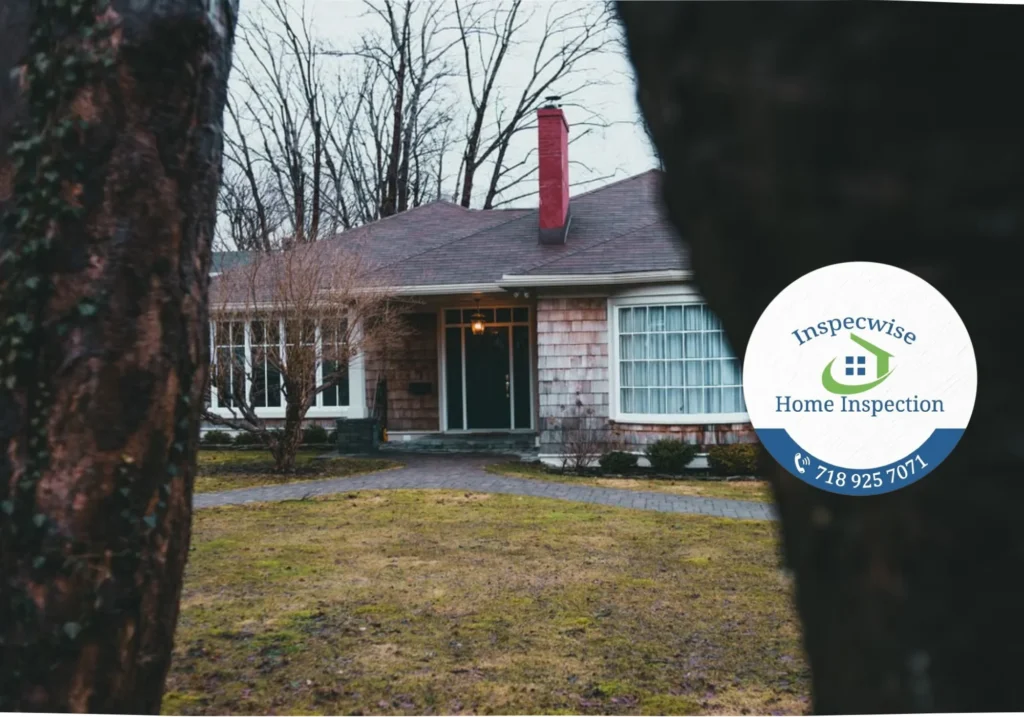
A pre-listing inspection changes that dynamic. When you inspect before listing, you’re the one deciding what gets repaired, what gets disclosed, and what gets priced into the sale. That’s a meaningfully different position than reacting to someone else’s inspector on someone else’s timeline.
A few concrete ways early discovery works in a seller’s favor:
- Repair decisions become choices, not emergencies. You can get contractor estimates, compare options, and decide whether to fix an issue or price around it, instead of scrambling to find a plumber the week before closing.
- Buyer inspections create less last-minute leverage. A buyer who already has your inspection report, and sees that your listed price reflects known conditions, has far less room to manufacture a renegotiation around items you’ve already disclosed.
- Pricing conversations get easier. Your agent can set a defensible list price grounded in the property’s actual condition rather than guessing at what a buyer’s inspector might eventually find.
- Buyer confidence goes up. A well-documented home inspection staten island buyers can review before making an offer tends to reduce the anxious, drawn-out back-and-forth that slows down contract signing.
- Surprises get filtered out early. The version of “surprise” no seller wants is the one that shows up during attorney review or the week of closing, after movers are booked.
None of this means a pre-listing inspection eliminates negotiation or guarantees a higher sale price. It doesn’t, and no honest inspection company will promise that. What it does is put you in a position to make informed decisions with time on your side, instead of decisions made under deadline pressure.
What a Staten Island Pre-Listing Inspection Covers
A pre-listing inspection is a visual, non-invasive evaluation of a home’s major systems and components. It’s not a guarantee, a warranty, or a certification of code compliance. It’s a documented professional opinion of observable condition at the time of the inspection, and that distinction matters as you plan repairs and disclosures.
Structural Systems
Foundation type and condition set the tone for the rest of the inspection. Older homes around St. George, Stapleton, and Clifton often sit on rubble stone, brick, or early poured-concrete foundations that can show mortar erosion, efflorescence, or step-cracking after decades of exposure to a humid, coastal climate. An inspector looks at foundation walls for cracking patterns and signs of settlement, checks sill plates and rim joists for rot where wood framing meets masonry, and evaluates basement or crawlspace support columns for corrosion or improper modification. In homes without basements, more common in parts of New Dorp and South Beach, inspectors pay particular attention to slab moisture indicators, since capillary moisture can quietly damage flooring and encourage mold growth long before it’s visible.
None of these observations amount to a structural engineering certification. Where an inspector flags a condition that looks beyond routine wear (active cracking, notable settlement, or persistent moisture), the appropriate next step is a licensed structural engineer, not a guess.
Roof and Exterior
Staten Island’s exposure to wind off the harbor and seasonal storms makes the roofing and exterior envelope a frequent source of buyer objections. Inspectors examine shingle condition for granule loss, cupping, and lifting; check flashing at chimneys, valleys, and dormers, since those transitions are the most common points of water entry; and, on flat-roofed multi-family homes common in Travis and Port Richmond, look for membrane seam separation and ponding water. Gutters, downspouts, and grading are assessed for their ability to move water away from the foundation, and siding, stucco, or brick veneer is checked for cracking, warping, or missing weep holes that could trap moisture behind the wall assembly.
A small flashing gap or a clogged downspout might look minor on inspection day, but it’s exactly the kind of item that turns into a repair credit demand once a buyer’s inspector finds a water stain on a ceiling during a walkthrough. Addressing it, or at least documenting it, before listing removes that leverage from the negotiation entirely.
Electrical Systems
Homes built before the mid-1970s frequently carry electrical conditions that matter to both safety and insurability. Inspectors evaluate the main service size to see whether an older 60- or 100-amp service is adequate for modern appliance and HVAC loads, look for outdated wiring types such as knob-and-tube or aluminum branch circuits, and check the panel itself for recalled or discontinued equipment, over-fusing, and improper double-tapping. GFCI and AFCI protection is tested in kitchens, bathrooms, and other locations where it’s expected.
These findings matter because some insurers decline or surcharge policies for specific outdated panel types or wiring, which can complicate a buyer’s ability to close, an issue far better identified and addressed by the seller in advance than discovered by an underwriter during the buyer’s mortgage process. Sellers of mixed-use buildings or larger residential properties with commercial-grade electrical components (three-phase service, dedicated backup power equipment, or commercial-style panels) benefit from an inspector experienced in commercial inspection staten island work, since those systems fall outside the scope of a standard single-family electrical evaluation.
HVAC and Mechanical Systems
Staten Island’s housing stock runs the full spectrum from century-old steam boilers and cast-iron radiators to newer ductless mini-split systems. An inspector evaluates heating equipment for signs of cracking, scaling, or failed safety controls, checks air conditioning equipment for proper operation and refrigerant type, since older systems using now-restricted R-22 refrigerant are worth flagging for buyers, and traces distribution systems for damage or blockages. Where a property has undergone an oil-to-gas conversion, inspectors also note whether the old tank appears to have been properly decommissioned, since an unregistered or improperly abandoned tank is a common source of buyer concern.
Plumbing
Visible supply lines, drain-waste-vent piping, water heaters, and sump or ejector pump systems are all part of a standard inspection. Inspectors look for outdated materials such as galvanized or early polybutylene supply piping, check for active leaks under fixtures and in utility spaces, and confirm that main shutoff valves and water heater relief piping are functioning correctly. In lower-lying parts of the island, sump pump and battery backup performance during storm events is worth particular attention.
Sewer
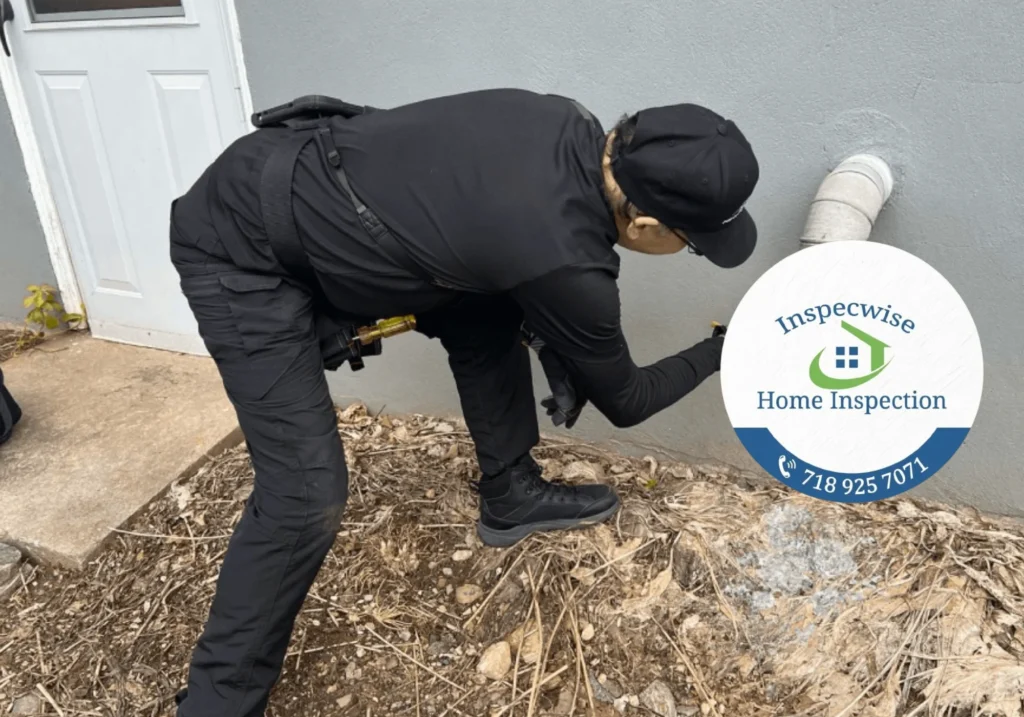
A standard visual inspection can note visible plumbing fixtures and drain performance, but it does not show what’s happening inside an underground sewer lateral. For older homes, or properties where root intrusion, slow drainage, or prior sewer backups are a known concern, a dedicated sewer scope, a separate camera inspection of the line, gives sellers a much clearer picture than a standard inspection alone can provide. It’s a relatively small additional cost against the risk of a five-figure sewer line replacement discovered mid-transaction.
Environmental and Biological Concerns
Moisture staining, musty odors, and visible mold-like growth are documented where observed, along with signs of termite activity such as mud tubes or damaged wood framing. Homes on the island’s higher, rockier terrain, including Todt Hill and Emerson Hill, are sometimes screened for radon, since naturally occurring radon can migrate through foundation cracks in certain geological conditions. Older homes are also evaluated for materials that may contain asbestos or lead-based paint, particularly in properties built before 1978.
It’s worth being direct about what this does and doesn’t confirm: a visual inspection identifies conditions that warrant further attention. It does not replace laboratory radon testing, a certified asbestos survey, or a licensed pest inspection when one of those is warranted. Sellers who receive a flag in any of these areas are almost always better off getting the specialized test before listing rather than leaving it as an open question for a buyer to raise later.
Attics, Crawlspaces, and Ventilation
Insulation coverage, roof framing condition, and ventilation pathways are inspected even though buyers rarely climb into these spaces themselves. Poorly vented attics trap moisture that can rot sheathing and framing over time; bathroom and dryer exhaust ducts that terminate inside the attic instead of outside the building are a surprisingly common and easily corrected defect. In attached homes and multi-family properties, fire-separation continuity between units is also checked, since it’s both a safety issue and a code consideration buyers’ attorneys sometimes ask about directly.
Why Choose InspecWise
Staten Island sellers have several inspection companies to choose from, and the right one for a pre-listing inspection is the one that can combine technical depth with genuinely useful reporting, not just a checklist that gets filed away.
Licensed NY Inspector. Every inspection is performed by a New York-licensed inspector who is also InterNACHI certified, which matters more for a pre-listing inspection than a standard buyer inspection. A pre-listing report needs to hold up months later, potentially reviewed by a buyer’s attorney, a buyer’s own inspector, or an appraiser, so the credibility of who performed it and how thoroughly it was documented carries real weight.
Commercial Specialists. Not every Staten Island listing is a straightforward single-family home. Mixed-use buildings, multi-family properties, and larger residential properties with commercial-grade components (three-phase electrical service, commercial boilers, or multi-unit fire separation requirements) benefit from an inspector who also handles commercial-scale work and understands those systems, rather than one who only inspects standard single-family homes.
Same-Day Scheduling. Pre-listing inspections work best when they happen early enough to leave time for repairs, specialist evaluations, and documentation before a listing date. Same-day scheduling means a seller working against a tight timeline (a relocation, an already-scheduled photographer, a target listing week) doesn’t lose weeks just waiting to get an inspector on the calendar.
Detailed Digital Reports. A pre-listing report is only useful if it’s usable. That means clear findings organized by system, photographs documenting each observation, priority classifications that separate genuine safety and structural concerns from routine maintenance items, and recommendations specific enough that a seller, or a contractor, can act on them without guessing what the inspector meant. Reports are delivered digitally with a fast turnaround, so findings are in hand while there’s still time to act on them.
Serving Staten Island and the Surrounding Boroughs. Beyond Staten Island, the same inspection standards apply to a home inspection nyc sellers request across the other boroughs, giving InspecWise a consistent frame of reference for how Staten Island’s coastal, older housing stock compares to construction elsewhere in the city.
Competitive Pricing. A pre-listing inspection is a modest upfront cost measured against what it protects against: a failed negotiation, a delayed closing, or a repair credit demanded under pressure that ends up costing far more than fixing the same issue on the seller’s own terms would have.
Thousands of Inspections Completed. That volume of experience across Staten Island’s mix of century-old Victorians, mid-century ranches, and newer construction means patterns get recognized quickly: the kind of pattern recognition that separates a useful report from a generic checklist.
Staten Island-Specific Risks Worth Finding Before a Buyer Does
Staten Island’s geography creates a genuinely distinct risk profile compared with other boroughs, and a pre-listing inspection is most valuable when it accounts for that context rather than treating every home the same way.
Properties in low-lying, coastal-adjacent areas, parts of South Beach, New Dorp, and Great Kills among them, may warrant closer attention to drainage, sump pump performance, and moisture intrusion at foundations and slabs, particularly in homes that were affected by prior storm flooding. That doesn’t mean every home in these areas has a problem; it means the physical conditions that create risk are more common there, so it’s worth checking rather than assuming.
Older housing stock concentrated around the North Shore, including St. George, Stapleton, Clifton, Port Richmond, and West Brighton, tends to carry more legacy conditions: original masonry foundations, older electrical services, and decades of incremental renovation that may or may not have been permitted. Hillside neighborhoods such as Todt Hill, Emerson Hill, and Grymes Hill present different considerations tied to terrain, drainage on sloped lots, and, in some cases, radon-prone bedrock. Meanwhile, homes further south in Eltingville, Annadale, and Tottenville span a wider range of construction eras, so the relevant risks vary more by the individual property’s age and history than by neighborhood alone.
Oil tank history is another Staten Island-specific concern worth resolving before listing. Many homes across the island were converted from oil to gas heat over the decades, and buyers’ attorneys routinely ask whether an old underground tank was properly decommissioned according to city environmental standards. A pre-listing inspection can note visible signs of a conversion, but confirming a tank’s status usually requires review of decommissioning records or, if none exist, an environmental professional.
None of this is meant to suggest that every property in a given area has a defect. It means these are the categories of issues most worth checking given local conditions, so a seller isn’t caught off guard by something a buyer’s inspector, working the same coastline and the same housing stock, is trained to look for.
Permits, Certificate of Occupancy, and Property Records
A physical inspection and a review of a property’s legal and permit history are two different things, and it’s worth being clear about that distinction upfront: a home inspection does not function as a title search, a zoning determination, or a formal Department of Buildings records review.
That said, permit and occupancy issues are among the most common sources of delay in Staten Island transactions, so they deserve attention during the pre-listing period even if they fall outside the scope of the physical inspection itself. The same pattern shows up across the city on mixed-use and multi-family properties: a commercial inspection nyc owners request often turns up a permit or occupancy gap alongside the physical findings, which is exactly why the two types of due diligence work best together rather than in isolation. Finished basements with added bedrooms or bathrooms, converted garages, decks built without permits, and additions that don’t match the Certificate of Occupancy on file are all conditions that a buyer’s attorney or title company is likely to flag once a contract is signed. If an inspector notices something that looks like unpermitted work (a basement configured as a separate living unit, for instance, or a structural change that doesn’t look original), that observation is worth following up on with the appropriate professional before it becomes a mid-contract discovery.
Sellers dealing with a potential permit gap generally have a few paths available: pull the permit retroactively if the work qualifies, disclose the condition clearly and price around it, or consult an attorney about how it should be handled in the contract. None of these decisions should be made based on the physical inspection alone; they typically require input from a real estate attorney, and sometimes an architect or expediter familiar with Department of Buildings requirements. The inspection’s role here is limited but useful: it’s often what surfaces the question in the first place, early enough that a seller has time to resolve it rather than negotiate around it under pressure.
What to Do When the Inspection Finds a Problem
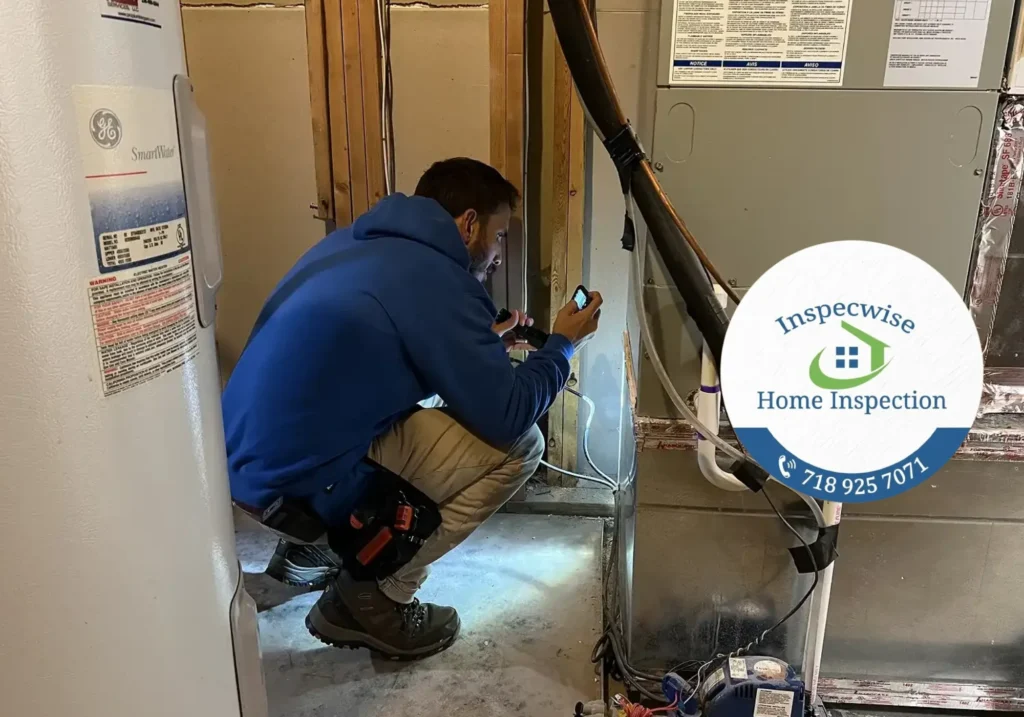
Finding an issue during a pre-listing inspection isn’t a failure. It’s the entire point. What matters is how a seller responds to it. Broadly, findings fall into a handful of categories:
- Repair before listing, when the fix is straightforward, reasonably priced, and likely to come up again in a buyer’s inspection anyway: a loose handrail, a missing GFCI outlet, a minor roof flashing repair.
- Disclose and document, when a repair isn’t practical or necessary before sale (an aging roof with remaining useful life, for example), but buyers should know about it and see that it’s reflected in the price.
- Get a specialist evaluation, when the inspector flags something outside the scope of a general visual inspection: a structural crack that needs an engineer’s opinion, an electrical panel that needs a licensed electrician’s assessment, or a moisture condition that needs an environmental professional.
- Price accordingly, using known conditions, rather than guesses about what a buyer might eventually find, to set a defensible list price with your agent.
- Keep documentation, including invoices, permits, warranties, contractor reports, and the inspection report itself, so that repairs and disclosures are backed by paperwork a buyer’s attorney can review.
A Realistic Pre-Listing Timeline
There’s no single correct schedule, but a general sequence helps sellers avoid rushing repairs or listing before documentation is in order.
60–90 days before listing: Schedule the pre-listing inspection and, if warranted, a sewer scope, radon test, or pest inspection. This is the stage where major issues get identified while there’s still time to respond thoughtfully.
30–60 days before listing: Get contractor estimates for anything you plan to repair, schedule specialist evaluations for flagged conditions, and start gathering permit records, past invoices, and warranty documents.
14–30 days before listing: Complete final repairs, handle routine maintenance items (servicing HVAC equipment, clearing gutters, addressing minor cosmetic issues) and organize the inspection report and supporting documentation for buyers and their agents to review.
Final pre-listing stage: Review everything with your agent, finalize pricing based on the property’s actual documented condition, and prepare for the questions a buyer or their attorney is likely to ask.
How the Report Can Strengthen Negotiations
A pre-listing inspection report doesn’t prevent a buyer from requesting their own inspection, and it doesn’t guarantee a smoother negotiation: buyers in New York routinely conduct independent inspections regardless of what a seller provides, and that’s worth expecting rather than resisting. What it does is change the starting point of the conversation.
When a buyer sees a professional report upfront, along with receipts for completed repairs, they’re evaluating a property with known, documented conditions instead of unknowns. That tends to reduce the likelihood of exaggerated repair demands built around items that were already disclosed and priced into the offer. It also tends to shorten the gap between an accepted offer and a signed contract, since a buyer’s attorney has less to investigate from scratch.

It’s worth being realistic here: a pre-listing inspection is a tool for managing risk and setting expectations, not a guarantee against negotiation. Buyers can still request repairs or credits for anything that comes up in their own inspection, particularly conditions that have changed or worsened since the seller’s inspection was performed. The dynamic is consistent across the city: a seller working through a home inspection queens transaction or a Staten Island one faces the same basic negotiation pattern. What a pre-listing inspection reliably does is remove the element of surprise, for the seller as much as the buyer, which is usually where the most difficult negotiations start.
Frequently Asked Questions
Is a pre-listing inspection worth it for a Staten Island home? For most sellers, yes, particularly on older homes, properties with any history of water intrusion, or homes where the seller isn’t certain about the condition of major systems. The cost is generally modest compared with the risk of a renegotiation or a delayed closing triggered by a buyer’s inspector finding something unexpected.
How long before listing should I schedule the inspection? Roughly 60 to 90 days ahead gives enough time to review findings, get contractor estimates, complete repairs, and gather documentation without rushing. Sellers on a tighter timeline can still benefit from an inspection scheduled closer to listing (same-day scheduling helps here), but less lead time means less room to act on what’s found.
What does a pre-listing inspection typically cover? A standard inspection covers structural components, the roof and exterior envelope, electrical systems, HVAC and mechanical equipment, plumbing, and visible attic, basement, and crawlspace conditions. It also includes observations related to moisture, pest activity, and other environmental indicators, though it doesn’t replace specialized testing for radon, mold, or asbestos.
Should I repair everything the inspection finds? No. Not every finding needs to be repaired before listing. Some items make more sense to disclose and price around, especially cosmetic or end-of-life conditions that a buyer would expect on a home of a given age. The distinction is generally between safety or structural items, which are usually worth addressing, and normal wear, which is usually fine to disclose.
What happens if the inspection finds a major structural problem? Get a licensed structural engineer’s evaluation before deciding how to proceed. Depending on the finding, options range from completing the repair before listing to disclosing the condition with supporting documentation and adjusting price expectations accordingly. What you shouldn’t do is list without addressing how you’ll handle the disclosure.
Will the buyer still perform their own inspection? Almost always, yes. A pre-listing inspection doesn’t replace a buyer’s due diligence; most buyers, and their lenders, will still want an independent inspection. What changes is that the buyer’s inspector is far less likely to uncover something the seller didn’t already know about and address.
Does a pre-listing inspection check permits and the Certificate of Occupancy? Not directly. A physical inspection can sometimes reveal signs of unpermitted work, but confirming permit status and Certificate of Occupancy compliance requires separate research, typically through Department of Buildings records and, where needed, a real estate attorney.
Should older Staten Island homes receive additional testing? Often, yes. Homes built before the 1970s may warrant closer attention to electrical systems, and homes built before 1978 fall under lead paint disclosure requirements. Depending on location and history, radon testing, a sewer scope, or a pest inspection may also be worth adding.
Do I need a sewer scope, radon test, or termite inspection? It depends on the property. A sewer scope is worth considering for older homes or any property with a history of drainage issues. Radon testing is more relevant for homes on higher, rockier terrain. A termite or wood-destroying insect inspection is generally a reasonable addition for older homes with wood framing near grade. None of these are automatically included in a standard visual inspection.
Can the inspection report help with pricing and negotiations? Yes, in the sense that it replaces guesswork with documentation. Agents can price a listing more confidently when they know the property’s actual condition, and buyers tend to negotiate less aggressively around issues that were already disclosed and factored into the price.
Ready to List with Confidence
A pre-listing inspection won’t eliminate every question a buyer asks, and it won’t guarantee a particular sale price, and no honest inspection company will tell you otherwise. What it does is put the facts about your property in your hands months before anyone else’s inspector walks through the door, giving you time to repair what’s worth repairing, disclose what isn’t, and price your Staten Island home with confidence instead of guesswork.
InspecWise performs licensed, InterNACHI-certified pre-listing inspections across Staten Island’s neighborhoods, from St. George and Tottenville to Great Kills and Grymes Hill, along with comparable service for a home inspection manhattan listing or any other property elsewhere in the city. Same-day scheduling and detailed digital reporting mean sellers can move from inspection to informed decision-making without losing time they don’t have before a listing date.
GET IN TOUCH
Schedule a Visit
Serving all Staten Island Neighborhoods: St. George • New Dorp • Tottenville • Eltingville • West Brighton • Grymes Hill • Great Kills • Annadale
`Call Inspecwise now: 718-925-7071
Licensed, Certified, and 100% NYC Local