Commercial Inspection Staten Island, NY | InspecWise

Commercial inspection Staten Island buyers and business owners rely on before closing a deal, signing a lease, or listing a property is a physical, visual evaluation of a building’s structure, roof, mechanical systems, electrical service, and plumbing. It gives you an objective, professional look at what you are actually acquiring before you sign anything. Whether you are buying a storefront on Hylan Boulevard, a warehouse near the Goethals Bridge, or a mixed-use building in St. George, the systems inside that property will shape your operating costs, your maintenance budget, and your negotiating position for years to come.

InspecWise provides commercial building inspections across Staten Island, evaluating structural, mechanical, electrical, and site conditions so buyers, owners, and business tenants can make informed decisions backed by a clear, documented report.

Commercial Property Inspection in Staten Island: What Buyers Need to Know

Staten Island’s commercial real estate stock is genuinely different from what you’ll find in the other boroughs. Richmond County still carries a large share of older commercial buildings, waterfront and near-waterfront industrial sites, and small-to-midsize retail corridors that were built decades before current mechanical and electrical codes existed. From the historic commercial blocks along the North Shore to newer development on the South Shore, the age, construction method, and site exposure of a property change what an inspector needs to look for.

A commercial inspection is not a pass/fail exam. It is a documented, visual assessment of the building’s major systems at a specific point in time, delivered as a report you can use for negotiation, budgeting, and planning. That distinction matters because commercial transactions move on tighter timelines than residential ones, and the findings in your report often become part of the conversation at the closing table.

Why Choose InspecWise for Commercial Inspection in Staten Island

Hiring the right inspector matters as much as ordering the inspection itself. Here’s what InspecWise brings to a Staten Island commercial transaction:

Licensed NY Inspector. InspecWise inspectors are licensed in New York State, which means your report is prepared by someone who meets the state’s training and conduct standards for home and commercial property inspection, not an unlicensed contractor offering a walkthrough.

Commercial Specialists. A commercial inspection is not the same job as a residential one. Commercial properties carry higher-capacity electrical services, larger mechanical systems, different roof assemblies, and life-safety requirements that a residential-focused inspector may not be equipped to evaluate. InspecWise inspectors are trained specifically for commercial scope.

Same-Day Scheduling. Commercial deals frequently operate on due-diligence clocks measured in days, not weeks. InspecWise offers same-day scheduling so a tight contract timeline doesn’t force you to skip or rush your inspection.

Detailed Digital Reports. Your report is delivered digitally with photographs, system-by-system findings, and clear observations you can hand directly to your attorney, lender, or business partners.

Fast Report Turnaround. During a time-sensitive acquisition or lease negotiation, waiting weeks for a report isn’t practical. InspecWise prioritizes fast turnaround so findings reach you while they’re still useful for negotiation.

InterNACHI Certified. InspecWise inspectors hold InterNACHI certification, reflecting ongoing training in inspection standards and practices.

Serving NYC & Long Island. While Staten Island is a primary service area, InspecWise also provides commercial inspection nyc wide and across Long Island, which means the same inspection standards apply whether your portfolio includes one Staten Island property or several across the region.

Competitive Pricing. Commercial inspection pricing reflects the scope of the property being evaluated, and InspecWise provides a clear, itemized quote before scheduling so there are no surprises on the invoice.

Commercial Properties We Inspect in Staten Island

Every commercial property type comes with a different set of systems and risk factors. InspecWise scopes each inspection to the property in front of us rather than running a generic checklist.

Office Buildings

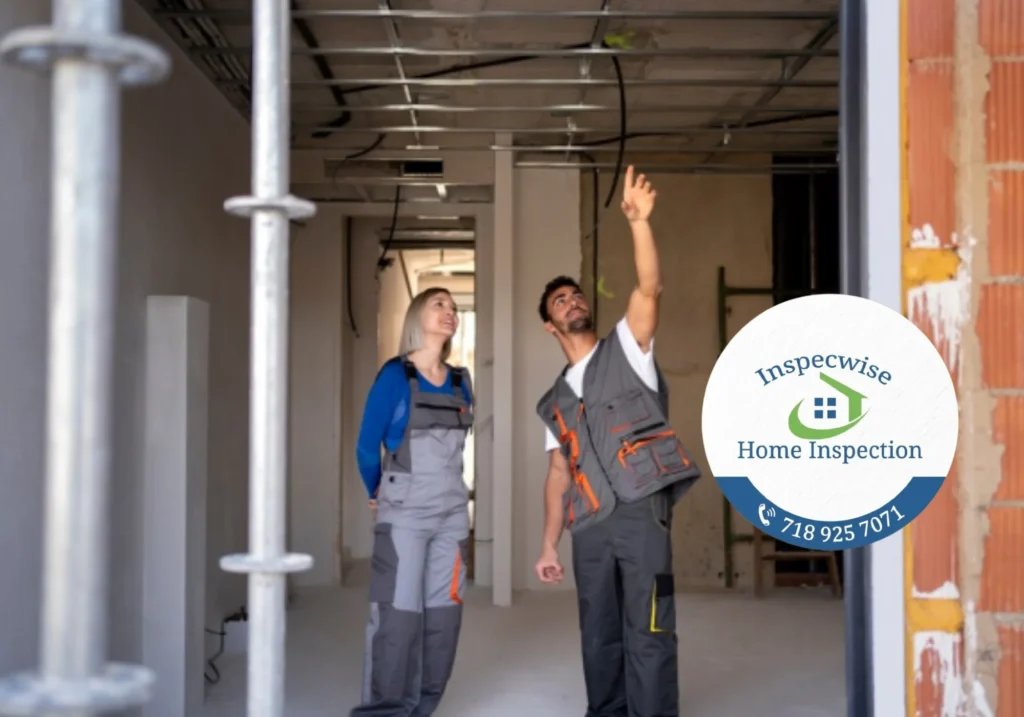
Office properties in areas like Grymes Hill and along the North Shore’s commercial corridors depend heavily on electrical capacity, data infrastructure, and central HVAC. During an office building inspection, we evaluate panel capacity and visible wiring conditions, rooftop or split HVAC units, plumbing serving restrooms and common areas, the roof and exterior envelope, and life-safety features like exit lighting and visible fire protection equipment.

Retail Spaces

Retail storefronts, whether a single unit or a strip of stores, depend on a functioning storefront system, adequate HVAC for the space, and safe public access. We look at the storefront and exterior envelope, electrical service sized for retail equipment and signage, plumbing, accessibility of public areas, roof condition, and general site conditions like parking and walkway drainage.

Warehouses & Industrial Properties

Industrial buildings near Travis and the Goethals Bridge corridor carry different demands than office or retail space. We evaluate loading dock condition, roof systems over long structural spans, slab condition, electrical capacity for equipment loads, visible fire protection systems, drainage, and mechanical systems tied to the building’s operational use.

Warehouse Inspection Staten Island

Mixed-Use Buildings

Mixed-use properties, common throughout St. George and other transit-adjacent areas, combine residential and commercial space under one roof, often with shared utilities and separate mechanical systems for each use. We evaluate how the shared systems, structure, and common areas function alongside the distinct commercial and residential components, and flag where the two uses interact in ways that could affect maintenance or compliance.

Multifamily & Apartment Buildings

For multifamily buildings with a commercial ground floor or standalone apartment properties, we review common areas, shared plumbing and electrical infrastructure, structural conditions, roof systems, and visible life-safety conditions throughout accessible common spaces.

Restaurants & Special-Purpose Properties

Restaurant and other special-purpose spaces put unusual demand on plumbing, electrical, and ventilation systems. We evaluate visible plumbing and electrical infrastructure, general HVAC and exhaust conditions, and drainage as it relates to the property’s use. Specialized kitchen equipment testing and code certification for food-service operations fall outside standard inspection scope and should be handled by the appropriate licensed trade or regulatory inspector.

What Does a Commercial Building Inspection Cover?

Structural & Foundation Systems

The foundation carries every other system in the building. We inspect visible foundation walls, floor slabs, and structural framing for signs of movement, cracking, or water intrusion. Many Staten Island commercial buildings sit on coastal or previously filled land, which makes foundation observation a core part of every inspection rather than an optional add-on. For buildings with a basement or below-grade level, common along the North Shore’s older commercial corridors, a dedicated basement inspection can take a closer look at foundation moisture and structural condition than a standard walkthrough covers. Older wood-frame commercial and mixed-use structures can also benefit from a termite inspection, particularly ahead of renovation or a change in occupancy.

Roof & Exterior Envelope

We evaluate the roof membrane, flashing, drainage, and visible signs of ponding water or deterioration, along with the exterior envelope, including siding, masonry, and window and door conditions. Where useful, thermal imaging helps identify trapped moisture beneath roofing or wall assemblies that isn’t visible during a standard walkthrough. For properties with a history of roof leaks or extended vacancy, that same moisture exposure is often the reason we recommend a commercial mold inspection before employees or tenants occupy the space. It’s worth noting that taller commercial buildings in New York City, generally those over six stories, are separately subject to the city’s periodic exterior wall inspection requirements administered by the Department of Buildings under the Facade Inspection Safety Program, which requires owners of qualifying buildings to submit a compliance report every five years. That program is a distinct, code-mandated filing obligation, separate from an InspecWise commercial inspection, and applies primarily to taller structures rather than the low-rise retail and industrial buildings common across most of Staten Island.

Commercial Infrastructure Inspection Staten Island

HVAC & Mechanical Systems

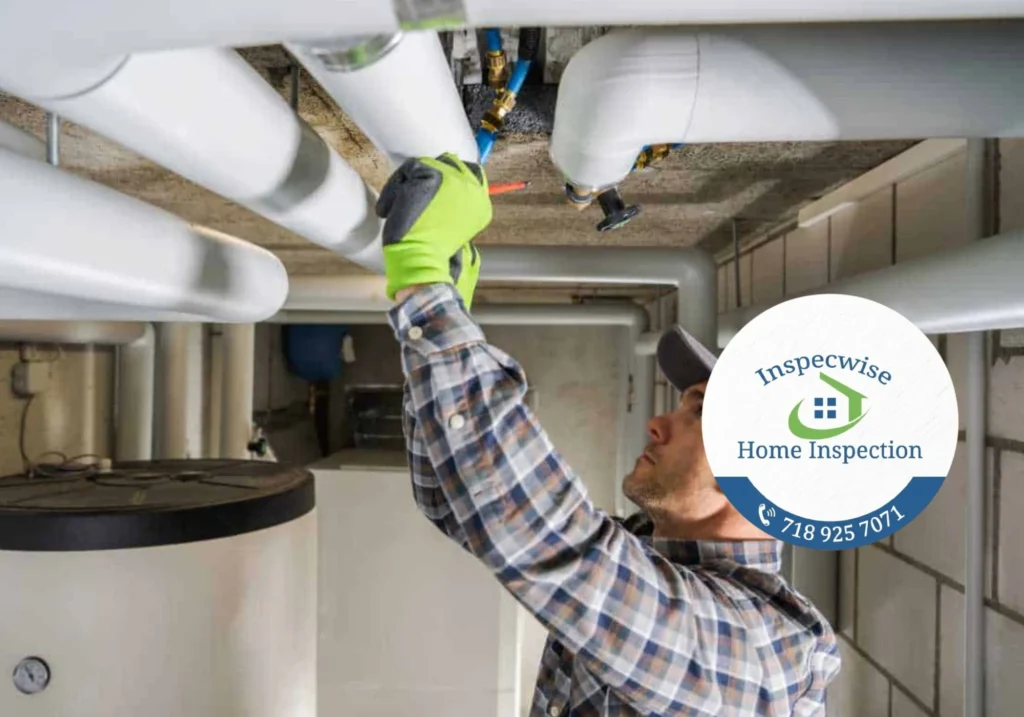
Commercial HVAC systems represent a major capital investment, and their condition affects both comfort and operating cost. We evaluate rooftop units, split systems, boilers, and chillers where present, checking for visible signs of deferred maintenance and estimating remaining service life based on age and condition. Buildings with older heating systems, or those converted from earlier residential use, may also retain a chimney; a chimney inspection checks masonry condition, draft, and clearance issues that a standard mechanical walkthrough won’t fully capture. Where a property uses gas-fired boilers or rooftop units, our inspectors note visible venting and equipment conditions relevant to nyc fuel gas code expectations, though formal code certification falls outside standard inspection scope. For buildings where HVAC performance is a central concern, a commercial hvac inspection can provide a more detailed look at system-specific condition.

Commercial Inspection Staten Island

Electrical Systems

Older Staten Island commercial buildings frequently carry electrical infrastructure that predates current demand. We inspect the main service, panels, visible wiring, and grounding for safety concerns and capacity limitations, flagging conditions that could affect insurance, financing, or day-to-day operation.

Plumbing & Drainage

We evaluate visible supply and drain lines, fixtures, backflow prevention where present, and signs of leaks or drainage problems. For buildings where the condition of the main waste line is a concern, we can pair the inspection with a sewer scope to check the line’s interior condition below the slab. On properties with well water or backflow concerns, water quality testing can confirm whether the water supply meets acceptable safety parameters.

Fire Protection, Life Safety & Accessibility

We note visible conditions related to exit lighting, sprinkler and fire protection equipment, and general accessibility of common areas. A visual inspection documents what is observable at the time of the walkthrough; it does not substitute for a formal fire marshal inspection, code compliance certification, or ADA compliance survey.

Interior, Common Areas & Site Conditions

We also document interior finishes, common area conditions, and site-level issues such as parking lot drainage, walkway hazards, and exterior grading that could contribute to moisture problems at the foundation.

Staten Island Commercial Property Risks We Look For

Staten Island’s geography creates a set of local risk factors that a generalist inspector working across all five boroughs may not weight the same way. Depending on the property’s location, coastal and near-coastal exposure along the North Shore and around the island’s waterfront industrial areas can accelerate salt-air corrosion on exterior metal, rooftop equipment, and fasteners. For properties exposed to coastal conditions, we pay close attention to corrosion on HVAC condensers, railings, and exposed structural steel.

Older commercial buildings across Richmond County may also show foundation moisture tied to the island’s mix of natural grade, reclaimed land, and aging drainage infrastructure. During a visual inspection, we look for basement or below-grade moisture staining, efflorescence, and grading that directs water toward rather than away from the building. That same below-grade and ground-floor exposure is why commercial radon testing is worth considering for basements, offices, and retail space built close to grade.

Buildings constructed before 1978, common throughout Staten Island’s older commercial corridors, may still contain lead-based paint. A lead paint inspection is worth arranging ahead of renovation, demolition, or a change in tenant use, particularly on properties with original finishes still in place.

Industrial properties in areas like Travis that have operated for decades often carry roof systems and mechanical equipment nearing the end of their useful life, along with wear patterns tied to heavy equipment use. Mixed-use buildings add a layer of complexity: shared utilities and systems that cross between residential and commercial space can obscure who is actually responsible for a given repair, which is exactly the kind of detail a report should surface before closing rather than after.

Commercial Inspection vs Property Condition Assessment

Buyers, especially those working with lenders, sometimes ask whether they need a commercial inspection, a Property Condition Assessment (PCA), or both. They serve related but distinct purposes.

A commercial inspection, the type InspecWise performs, is a visual, system-by-system evaluation of a property’s current condition, intended to help a buyer or owner understand what they’re acquiring and where near-term issues may exist.

A property condition assessment is a more formal report, often prepared to a standard such as ASTM E2018, and is frequently required by lenders as part of underwriting for a commercial mortgage. A PCA typically includes cost estimates for identified deficiencies and a longer-term capital planning outlook, and is usually prepared by an engineering firm rather than a general commercial property inspector.

AreaCommercial InspectionProperty Condition Assessment (PCA)
Primary purposeUnderstand current condition of major systems before a purchase, lease, or listingFormal due-diligence document, often lender-required, evaluating condition and future capital needs
Physical condition reviewYes, visual and system-by-systemYes, typically more extensive and standardized
Capital planningLimited; findings support buyer decision-makingCentral focus, often includes cost projections over a multi-year term
Standards/frameworkIndustry inspection practiceFrequently follows ASTM E2018
Typical usersBuyers, tenants, owners, sellersLenders, institutional investors, larger acquisitions

Neither a commercial inspection nor a PCA constitutes an engineering analysis, an environmental assessment, or a legal code-compliance certification. If your transaction requires one of those, it should be arranged separately with the appropriate licensed professional.

Our Commercial Inspection Process

  1. Initial consultation. We discuss the property type, size, and your specific concerns to define the right scope before scheduling.
  2. Scope confirmation. We confirm which systems, structures, and specialized services (thermal imaging, sewer scope, environmental testing) are included.
  3. Scheduling the site visit. Given the pace of commercial transactions, we work to accommodate tight due-diligence windows.
  4. Physical inspection. Our inspector walks the property, evaluating structure, roof, mechanical, electrical, plumbing, and site conditions.
  5. Documentation. Findings are photographed and recorded on-site as the inspection proceeds.
  6. Digital report delivery. You receive a detailed report with findings, photographs, and observations organized by system.
  7. Client review. We’re available to walk through the report and answer questions about what the findings mean for your transaction.

To help the inspection go smoothly, have mechanical rooms and roof access unlocked before we arrive, and gather any maintenance records, prior repair receipts, or previous inspection reports you have on hand. If tenants occupy the space, coordinating access in advance avoids delays on inspection day.

Who inspects commercial buildings matters as much as the inspection itself. A commercial inspection should be performed by a trained, licensed inspector with specific commercial-scope experience, not a residential inspector applying a home inspection checklist to a much larger and more complex property. Commercial buildings carry higher-capacity systems, different code requirements, and site conditions that a residential-focused inspection simply isn’t built to evaluate.

If you’re selling, a pre listing inspection staten island owners commission before going to market can surface issues while there’s still time to address them, which often means a smoother negotiation and fewer surprises during the buyer’s own due diligence.

Inspection Technology We Use

InspecWise uses technology to see conditions a standard walkthrough would miss.

  • Infrared thermography helps identify electrical hotspots and moisture trapped beneath roofing or wall assemblies that isn’t visible to the eye. For roof and envelope-focused evaluations, a thermal imaging inspection can be scoped specifically around moisture detection.
  • Aerial drone surveys allow a closer, safer look at large or hard-to-access roof areas and upper facades, particularly useful on warehouses and larger commercial structures. Where the roof is a primary concern, a drone roof inspection can focus specifically on membrane and drainage conditions.
Drone Roof Inspection Staten Island
  • Digital reporting software compiles findings, photographs, and summaries into a report you can share directly with your attorney, lender, or partners.
  • Sewer scope integration checks the condition of the main waste line beneath the slab, which a visual inspection alone cannot evaluate.

How Much Does a Commercial Inspection Cost in Staten Island?

Commercial inspection pricing depends on several variables specific to your property rather than a flat per-square-foot rate. Key factors include:

  • Total square footage and number of structures on the site
  • Property type and how complex its systems are (a warehouse with simple mechanical systems can cost less to inspect than a smaller medical office packed with specialized equipment)
  • Building age and construction type
  • Accessibility of mechanical rooms, roof areas, and crawlspaces
  • Whether optional radon testing services, water quality testing, mold assessment, or sewer scope are included

InspecWise provides a clear, itemized quote before scheduling so you know exactly what’s covered in the base inspection and what falls under optional testing. For radon-specific pricing, ask about current radon test cost ny rates when you schedule testing alongside your inspection. The cost of the inspection itself is typically a small fraction of the property’s purchase price, but the findings can give you real leverage in negotiations if repairs or system replacements are identified before closing.

When Should You Get a Commercial Inspection?

A commercial inspection is most useful at a few specific points in a property’s lifecycle: before purchasing, before signing a long-term commercial lease where you’ll be responsible for certain systems, before listing a property for sale, and periodically as part of ongoing capital planning for properties you already own. Timing the inspection early in your due-diligence window gives you time to negotiate or walk away if the findings raise real concerns, rather than discovering a major issue days before closing.

What Happens After the Inspection?

Once you have your report, the findings typically feed into one of a few next steps: requesting repairs or a price adjustment from the seller, planning a capital budget for near-term system replacements, or simply confirming the property matches expectations before you close. If findings point to a specific concern, such as HVAC age, roof condition, or electrical capacity, those items often become the starting point for further evaluation by a specialized contractor or engineer before you finalize your decision.

What Does a Commercial Property Inspection Include?

A commercial property inspection typically covers the building’s structural and foundation condition, roof and exterior envelope, HVAC and mechanical systems, electrical service and visible wiring, plumbing and drainage, and general interior, common area, and site conditions. The exact scope depends on the property type. A retail storefront and an industrial warehouse share some inspection categories, like roof and electrical, but diverge significantly when it comes to structural spans, loading areas, and public accessibility requirements, which is why scope should be confirmed before the site visit rather than assumed from a generic checklist.

From Commercial Assets to Residential Property

Many Staten Island investors and business owners also hold residential real estate alongside their commercial portfolio. If your search extends beyond commercial acquisitions, InspecWise’s residential team applies the same inspection standards through home inspection staten island and home inspection nyc services, evaluating single-family homes and small residential buildings against nyc residential code expectations rather than the commercial systems and standards covered on this page.

Frequently Asked Questions

How much does a commercial inspection cost in Staten Island? Pricing depends on square footage, property type, system complexity, accessibility, and any optional testing you add, such as radon or mold assessment. InspecWise provides an itemized quote before scheduling.

What is the difference between a commercial inspection and a PCA? A commercial inspection evaluates current condition for a buyer’s or owner’s own decision-making. A Property Condition Assessment is a more formal, often lender-required document that typically includes capital planning and cost projections, frequently prepared to the ASTM E2018 standard.

How long does a commercial building inspection take? It varies with the size and complexity of the property. A small retail unit takes considerably less time than a multi-building warehouse complex. We’ll give you a realistic estimate once the scope is confirmed.

Should the buyer attend the inspection? Yes, when possible. Attending lets you see conditions firsthand and ask questions on-site, which is often more useful than reading about a finding in a report after the fact.

What should I prepare before the inspection? Unlock mechanical rooms and roof access, gather any maintenance or repair records you have, and coordinate access with tenants if the space is occupied.

When should a commercial property be inspected? Before purchase, before signing a lease that makes you responsible for certain systems, before listing for sale, and periodically as part of ongoing capital planning.

How quickly can I receive the inspection report? InspecWise prioritizes fast turnaround so your report reaches you while the findings are still useful for negotiation or closing timelines.

Schedule Your Commercial Inspection in Staten Island

If you’re buying, leasing, selling, or maintaining a commercial property in Staten Island, from a St. George storefront to a Travis warehouse, InspecWise provides the licensed, commercial-specific inspection and clear digital report you need to move forward with confidence. Call 718-925-7071 to schedule your commercial inspection in Staten Island, or request a quote online to get started.